Product Description
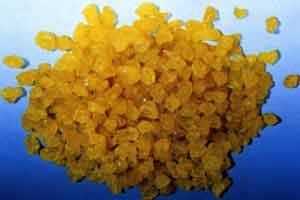
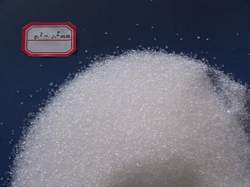
Irregular in vitreous colorless transparent silicate particles, the main component of SiO2. NH2O, insoluble in water and inorganic acid, soluble in hydrofluoric acid and caustic solution.
Heated to 150 ℃ is decomposed into SiO2.
Mainly used for decolorizing oil and wax, chemical reagent and tungsten processing in flux.
AI Product Description
*The following content is generated by AI and is for reference only.
This versatile industrial material serves as a critical component in high-temperature manufacturing, construction, and advanced engineering applications. Primarily utilized for its exceptional thermal stability and resistance to chemical corrosion, it functions effectively as a refractory lining in furnaces, kilns, and incinerators. Its unique structural integrity allows it to withstand extreme heat without deforming, making it indispensable for processing metals, glass, and ceramics where temperatures often exceed 1000 degrees Celsius. Beyond thermal applications, this substance is frequently employed in filtration systems to remove impurities from molten materials or gases, ensuring the purity of final products in semiconductor and petrochemical industries.
When handling this product, strict safety protocols must be observed to prevent respiratory issues and skin irritation. The material generates fine dust during cutting, grinding, or installation, which can cause significant lung damage if inhaled over prolonged periods. Therefore, operators are required to wear certified respiratory protection masks, safety goggles, and durable gloves at all times. Adequate ventilation in the workspace is mandatory to disperse airborne particles effectively. Additionally, because the material is brittle and heavy, proper lifting techniques and mechanical aids should be used to avoid musculoskeletal injuries or accidental breakage that could create hazardous sharp fragments.
Storage conditions play a vital role in maintaining product performance. It must be kept in a dry environment to prevent moisture absorption, which can compromise its binding properties and reduce thermal efficiency. Direct contact with water or humid air should be avoided unless the specific formulation is designed for wet mixing. Before application, surface preparation is crucial; substrates must be clean, dry, and free of oils or loose debris to ensure optimal adhesion. Regular inspection of installed units is recommended to detect early signs of cracking or erosion, allowing for timely maintenance before catastrophic failure occurs. By adhering to these guidelines, users can maximize the lifespan and safety of installations involving this essential industrial material across diverse sectors ranging from energy production to heavy machinery manufacturing.





 (All Rights Reserved)