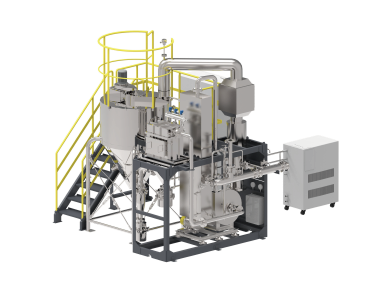
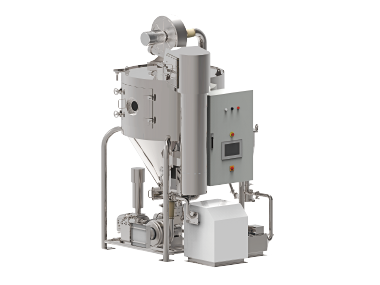
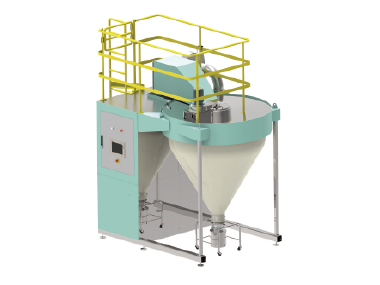
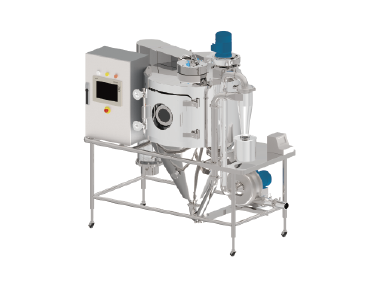
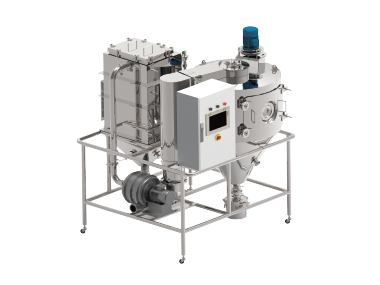
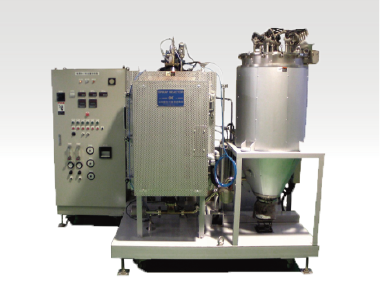
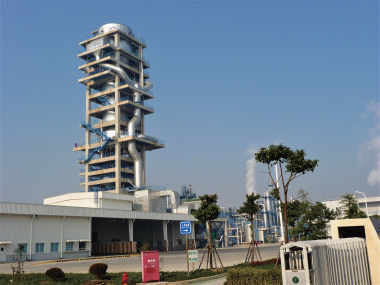
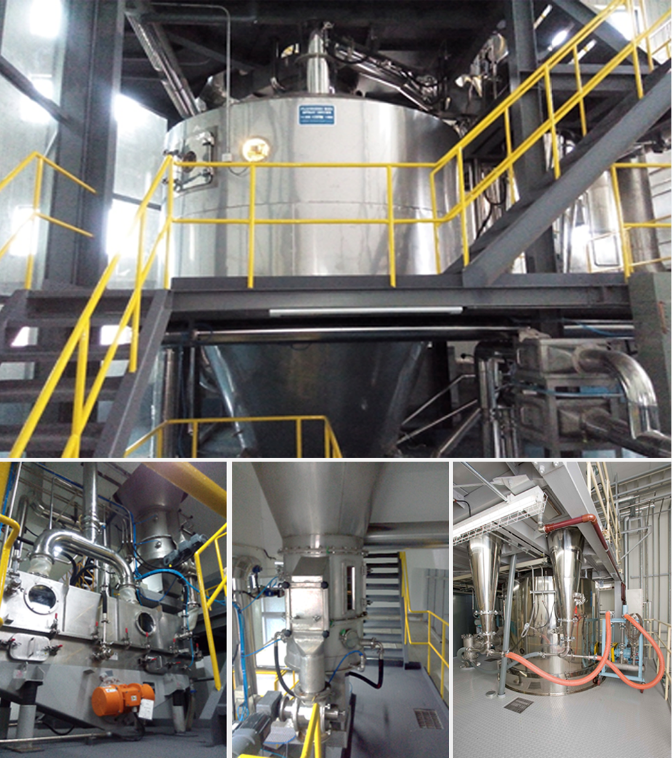
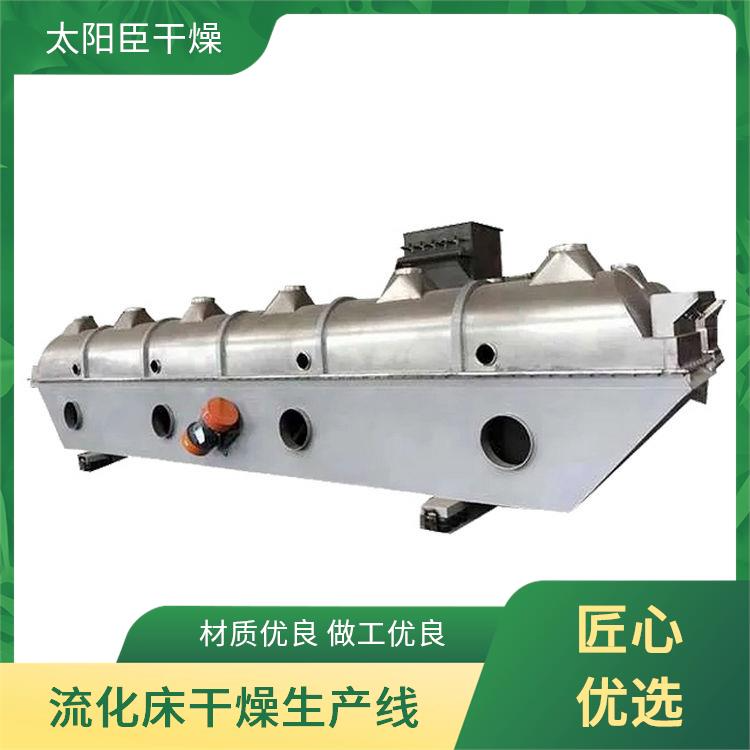
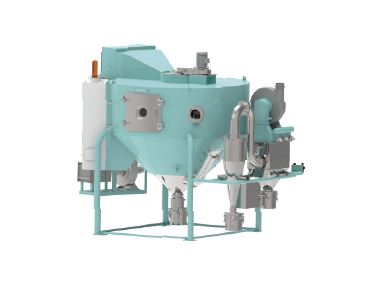
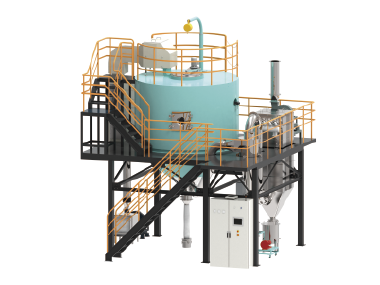
This series features spray dry granulation for fine ceramics, new materials and inorganic chemistry.
The occupied area and height of this series have been reduced by 20% and 50% comparing to other makers.
It has been widely adopted by many famous corporations from fine ceramics & new materials industries as this series are all well received both at home and aboard .
*The following content is generated by AI and is for reference only.
Advanced ceramic spray dryers are sophisticated industrial systems designed to transform liquid slurries into free-flowing, spherical powders with precise particle size distributions. Primarily utilized in the advanced ceramics sector, these machines play a critical role in manufacturing high-performance materials for electronics, aerospace, medical implants, and energy storage applications. The process involves atomizing a slurry of ceramic particles suspended in water or organic solvents into a hot drying chamber, where rapid evaporation occurs instantly upon contact with heated air. This unique mechanism ensures that the resulting granules possess excellent flowability, uniform density, and low moisture content, which are essential for subsequent processes like pressing, extrusion, or 3D printing.
The operational advantages of this technology include the ability to produce complex compositions with tight tolerances and the elimination of agglomeration issues common in traditional drying methods. Operators can fine-tune parameters such as inlet temperature, feed rate, and atomization pressure to customize powder morphology for specific end-use requirements. However, strict safety protocols must be observed during operation. Given the high temperatures involved and the potential flammability of certain organic solvents used in specialized slurries, adequate ventilation and explosion-proof electrical components are mandatory. Additionally, proper grounding is crucial to prevent static electricity buildup, which could ignite dust clouds. Regular maintenance of nozzles, heating elements, and filtration systems is vital to ensure consistent product quality and equipment longevity. Dust collection systems must be rigorously monitored to maintain a safe working environment and comply with environmental regulations. Ultimately, these dryers serve as a cornerstone in modern material science, enabling the mass production of high-quality ceramic precursors that drive innovation across diverse high-tech industries.



 (All Rights Reserved)