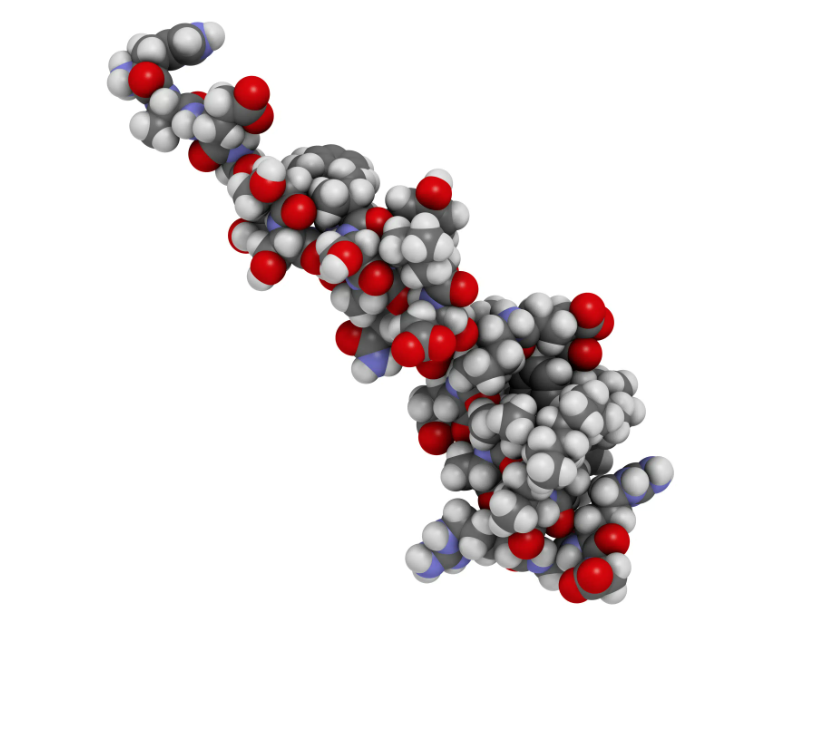
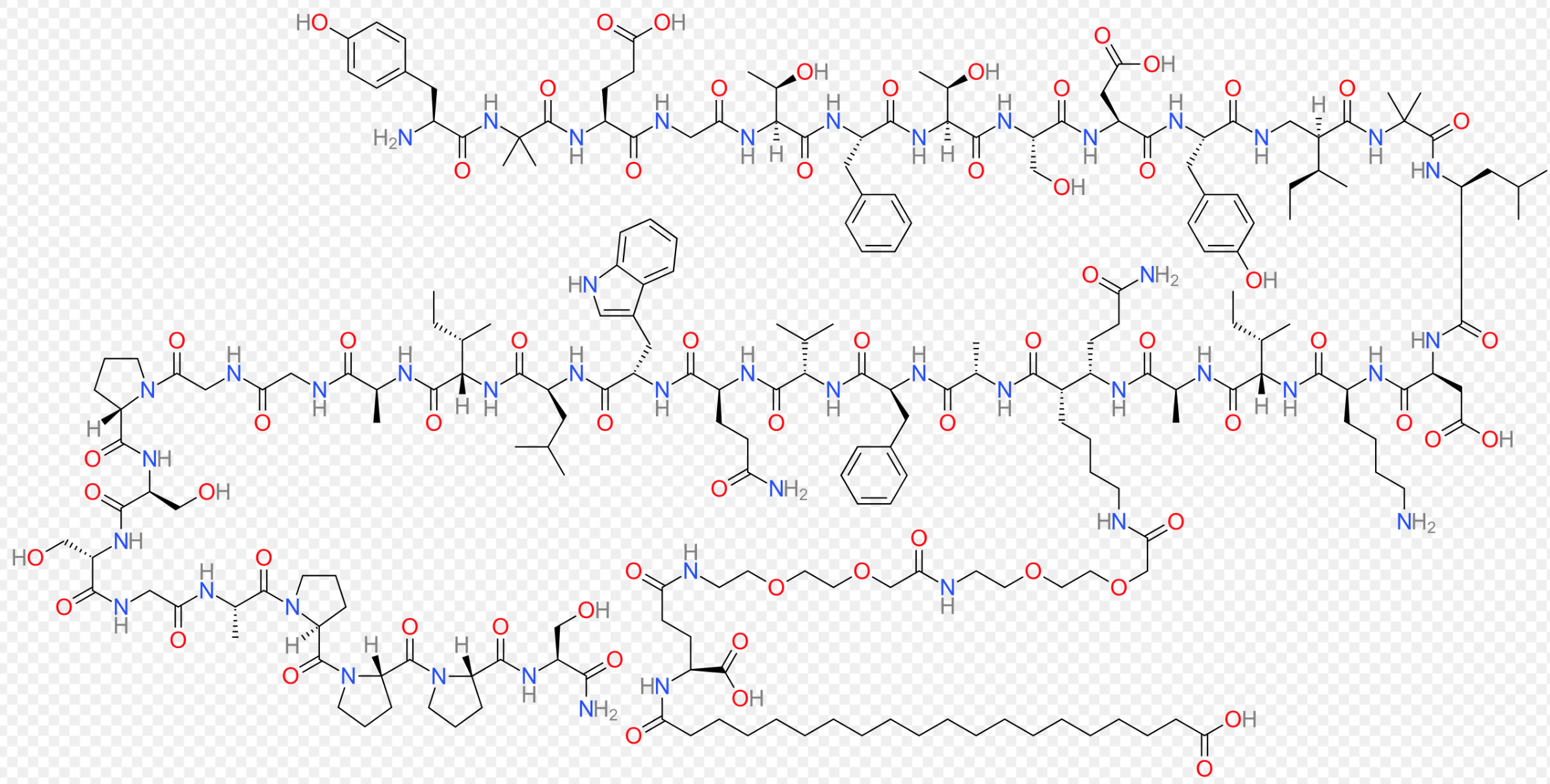
Semaglutide (Rybelsus, Ozempic, NN9535, OG217SC, NNC 0113-0217) is a long-acting glucagon-like peptide 1 (GLP-1) analog and GLP-1 receptor agonist with potential therapeutic efficacy for type 2 diabetes mellitus (T2DM).
*The following content is generated by AI and is for reference only.
Semaglutide is a groundbreaking glucagon-like peptide-1 (GLP-1) receptor agonist that has revolutionized the treatment of type 2 diabetes and obesity. Chemically, it is a modified version of the native GLP-1 hormone, engineered with specific amino acid substitutions to enhance stability and prolong its half-life in the human body. Its molecular formula is C187H291N45O59, and it carries the Chemical Abstracts Service (CAS) registry number 910463-68-2. This unique structure allows Semaglutide to resist degradation by the enzyme dipeptidyl peptidase-4 (DPP-4), enabling once-weekly subcutaneous administration for chronic management.
The primary clinical application of Semaglutide involves glycemic control in adults with type 2 diabetes mellitus. It works by stimulating insulin secretion in a glucose-dependent manner, suppressing inappropriate glucagon secretion, and slowing gastric emptying. These mechanisms collectively reduce postprandial blood glucose levels without causing significant hypoglycemia when used as monotherapy. Beyond diabetes management, Semaglutide has gained widespread acclaim for its efficacy in weight loss. High-dose formulations are approved for chronic weight management in adults with obesity or overweight conditions accompanied by weight-related comorbidities. Clinical trials have demonstrated substantial reductions in body weight, often exceeding 15% of baseline weight, making it one of the most effective pharmacological interventions available today.
Marketed under brand names such as Ozempic for diabetes and Wegovy for weight management, Semaglutide represents a major advancement in metabolic health therapy. While generally well-tolerated, common side effects may include nausea, vomiting, diarrhea, and constipation, which usually diminish over time. Serious but rare risks involve potential thyroid C-cell tumors, pancreatitis, and gallbladder issues, necessitating careful patient screening. As research continues, investigators are exploring its potential benefits for cardiovascular protection and non-alcoholic steatohepatitis (NASH). With its robust efficacy profile and convenient dosing schedule, Semaglutide stands as a cornerstone therapy in modern endocrinology, offering hope for millions suffering from metabolic disorders globally.






 (All Rights Reserved)
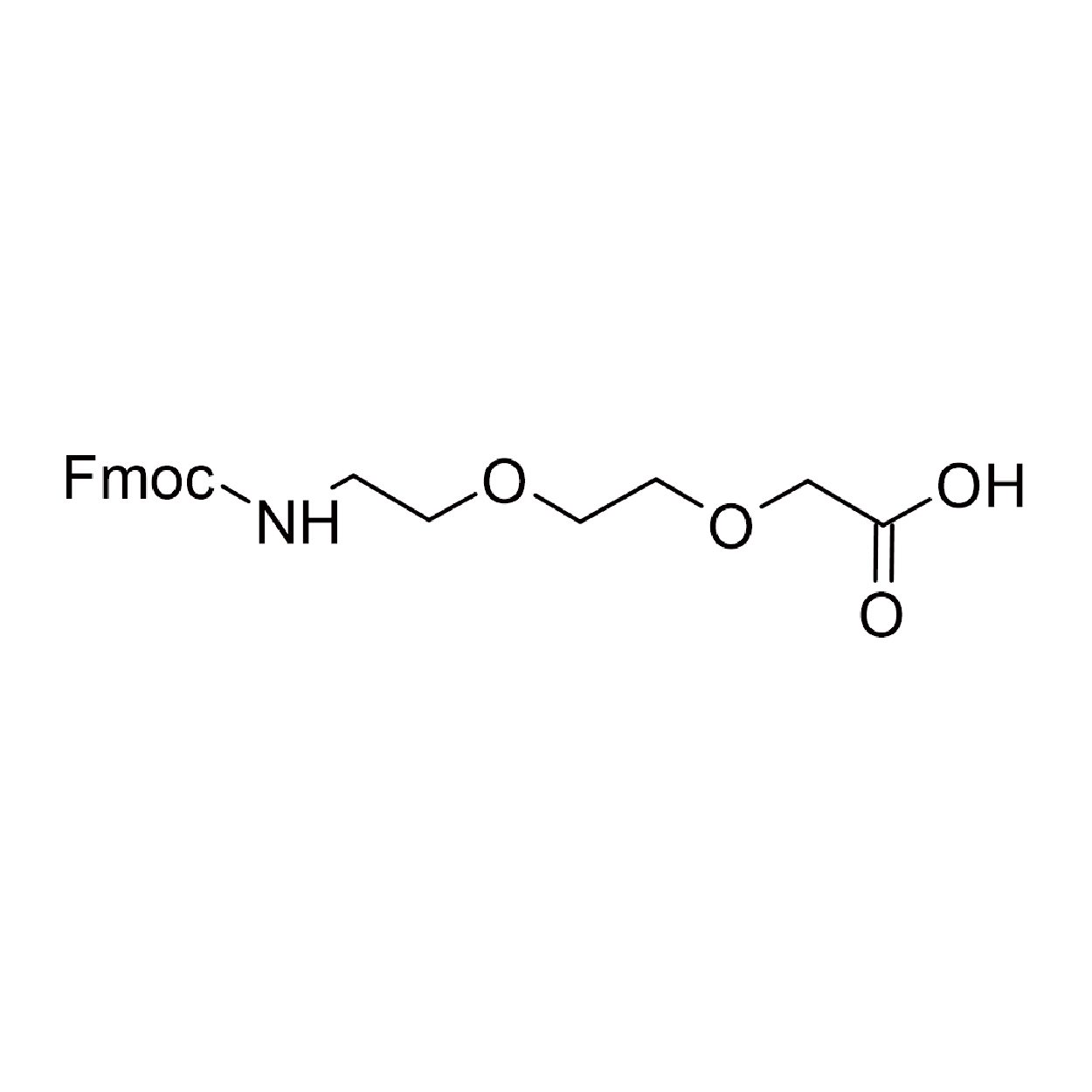
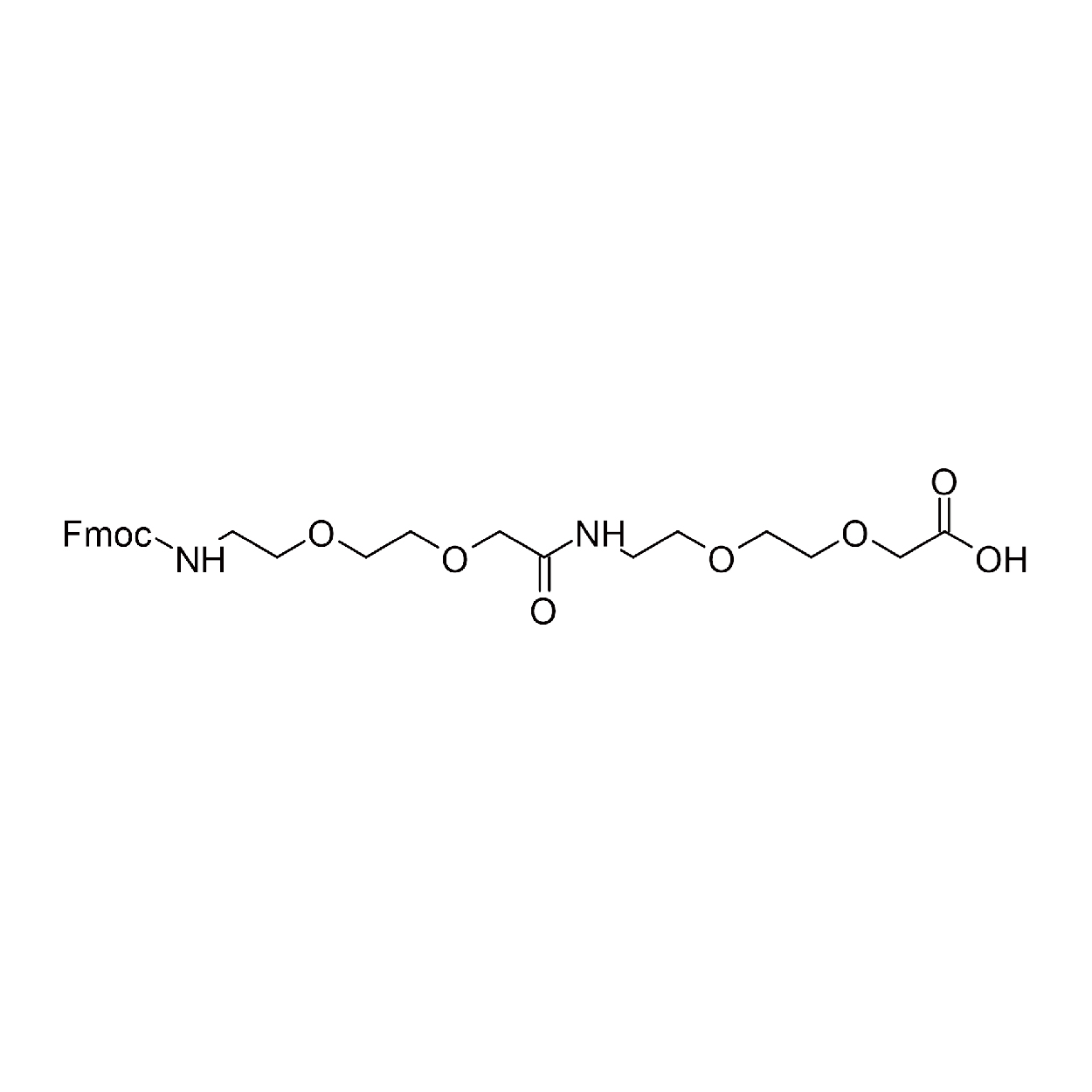
![[2-(2-{2-[2-(2-aminoethoxy)ethoxy]acetylamino}ethoxy)ethoxy]acetic acid (AEEA-AEEA)](https://eimg.pharmasources.com/image/20240829/batA8xEaMOU6N5EhRdllEM0wxOeOtYyAL8a4Mb0g.jpg)