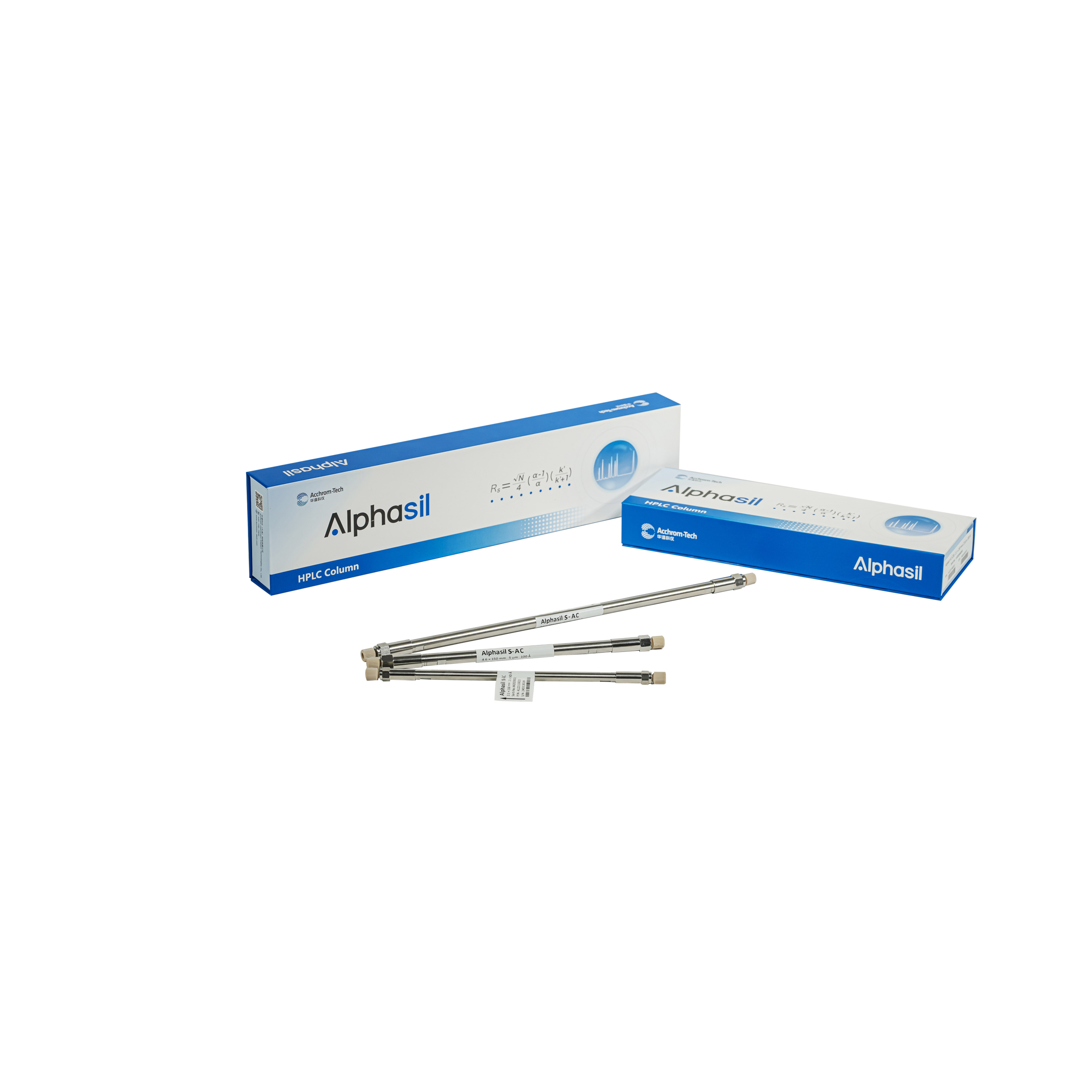
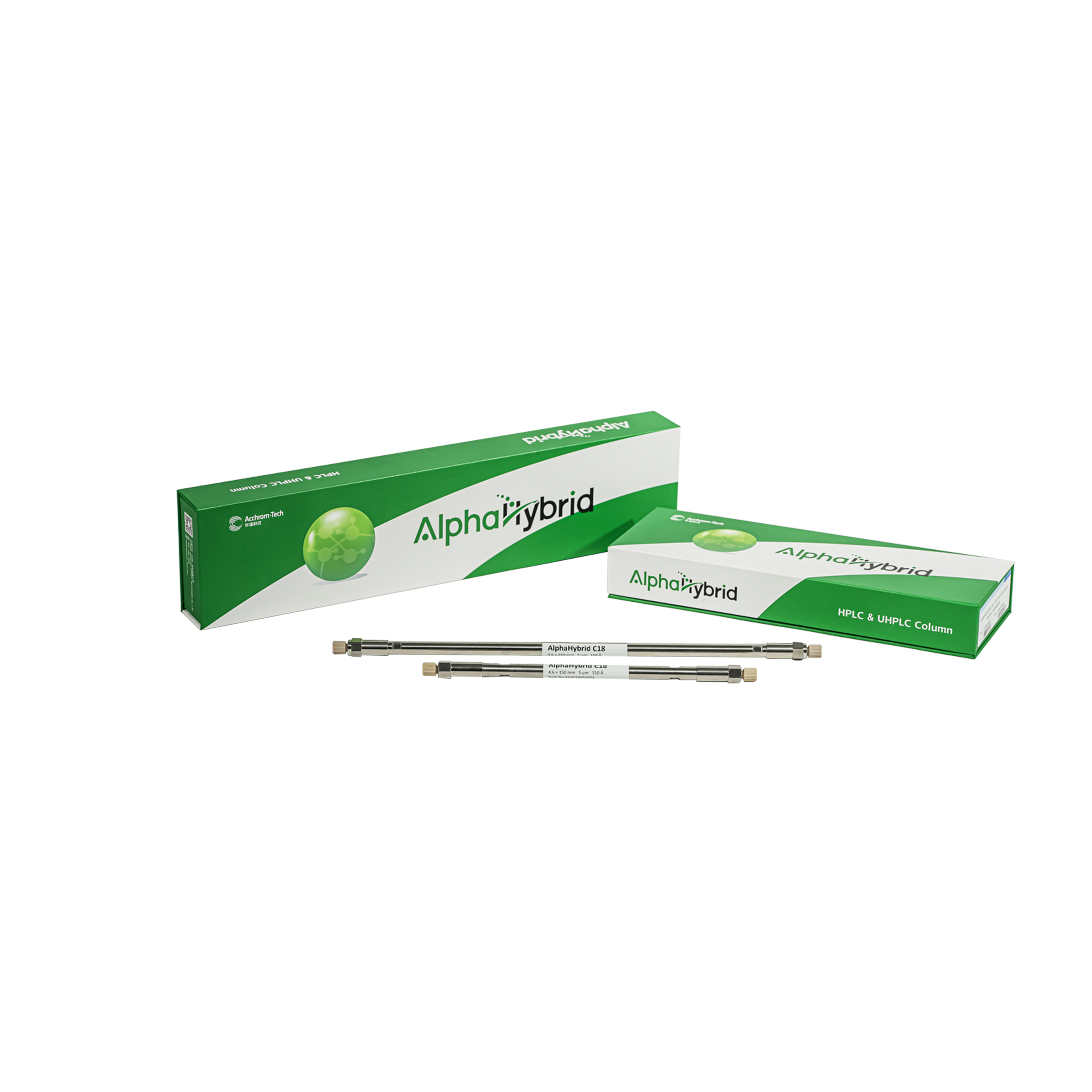
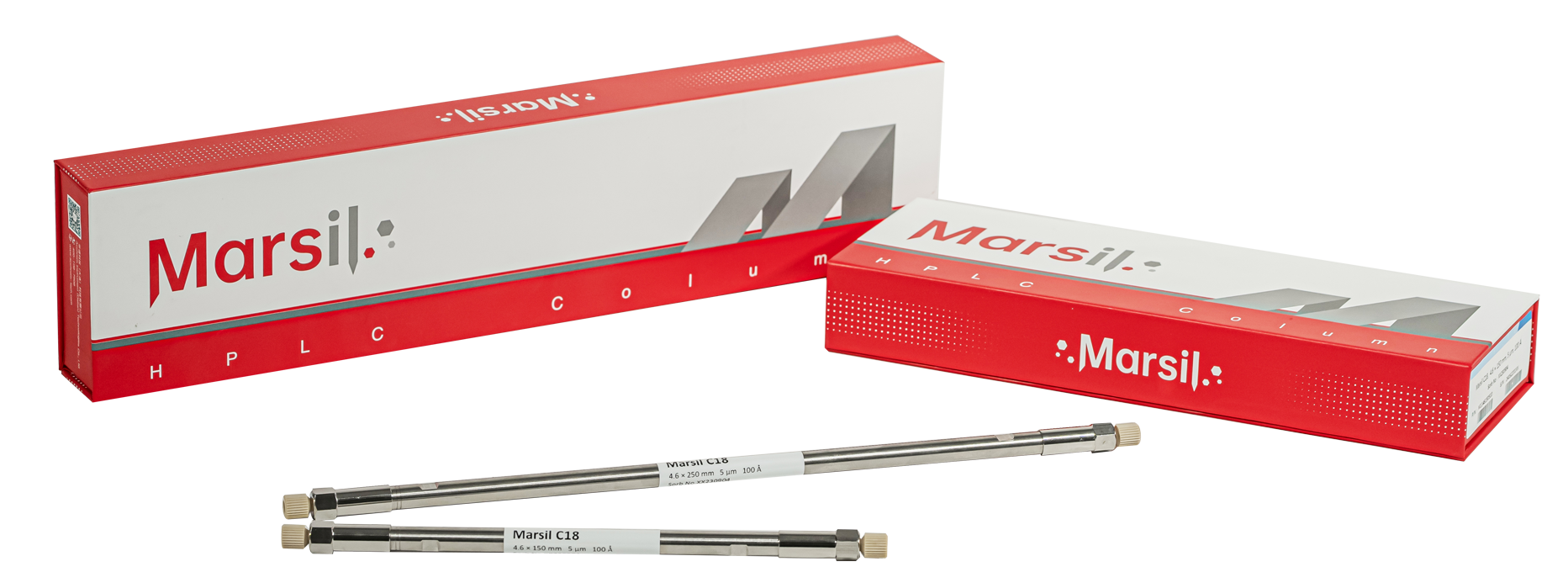
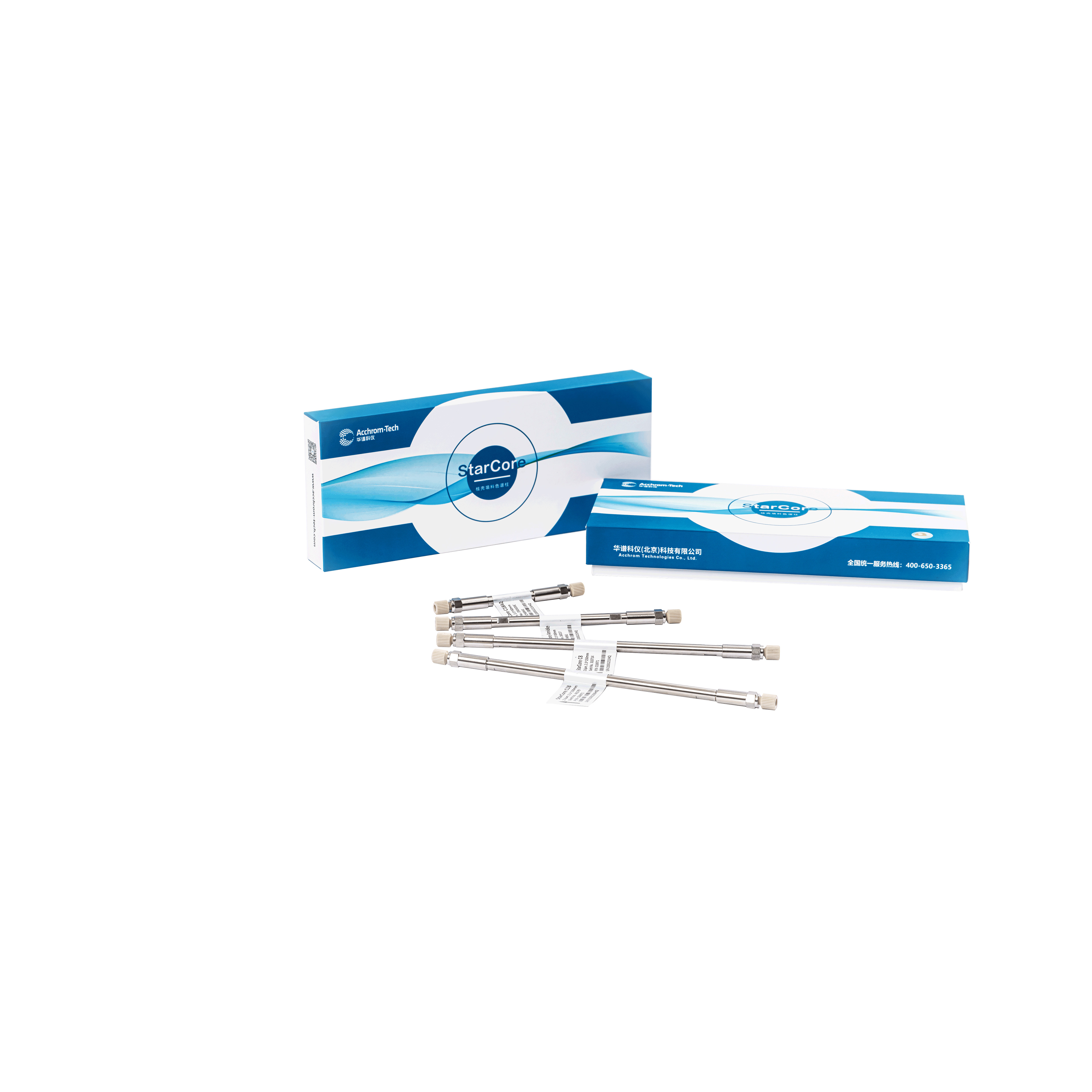
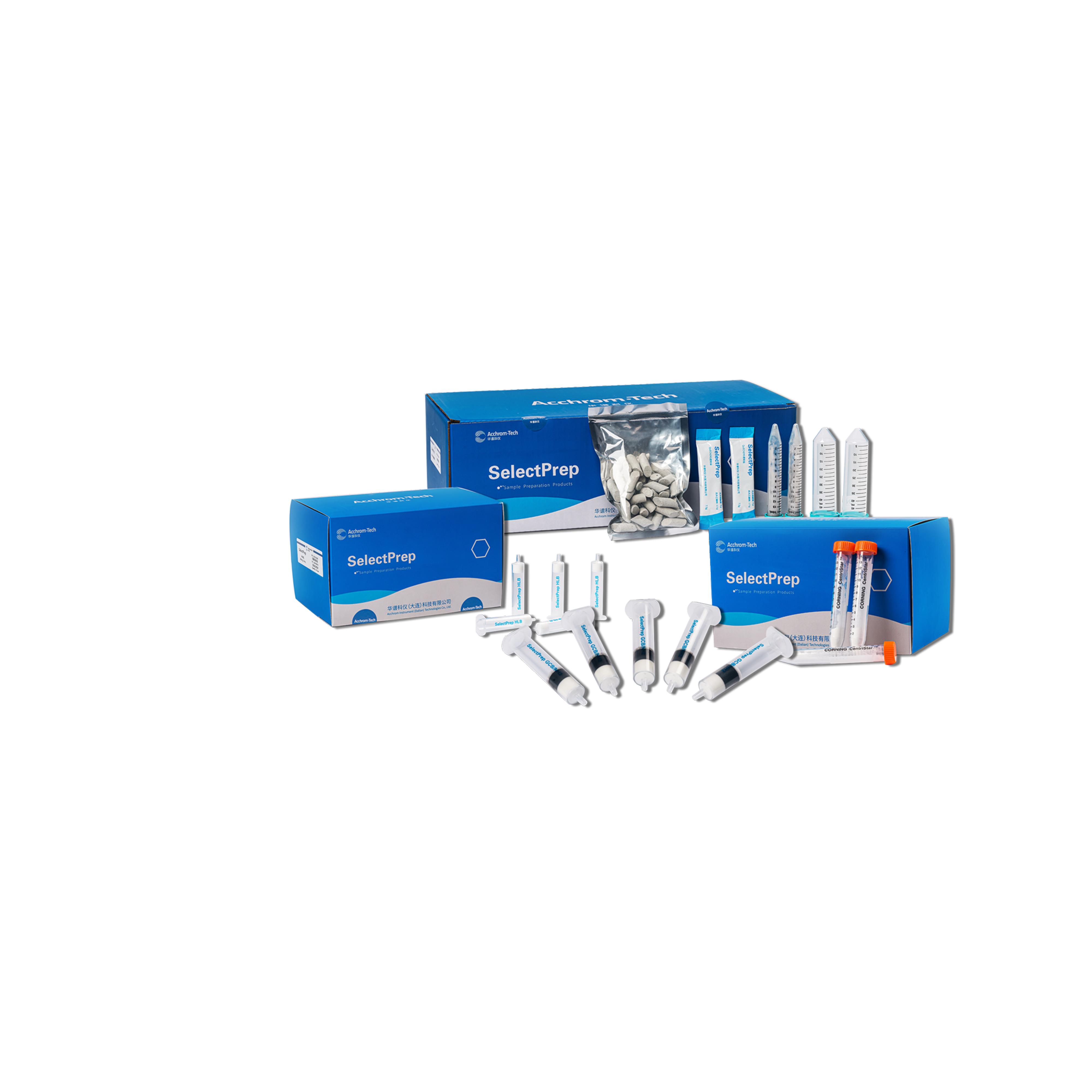
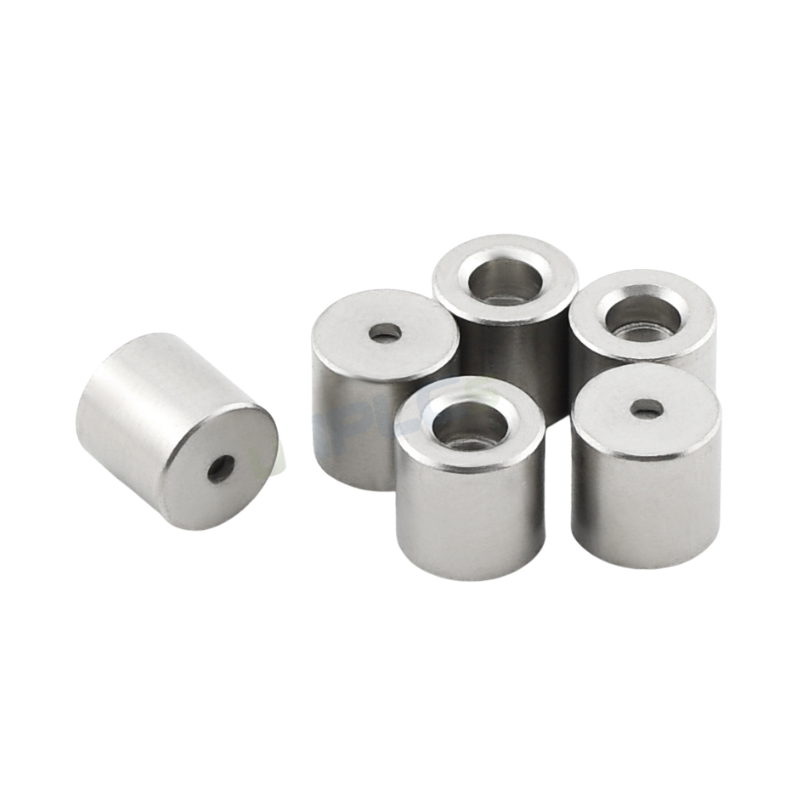
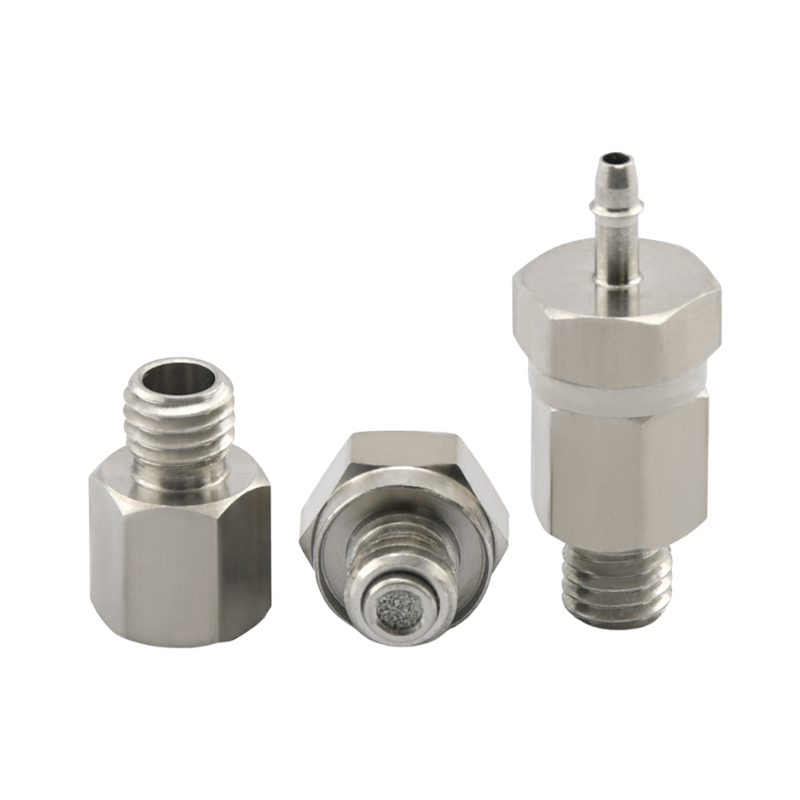
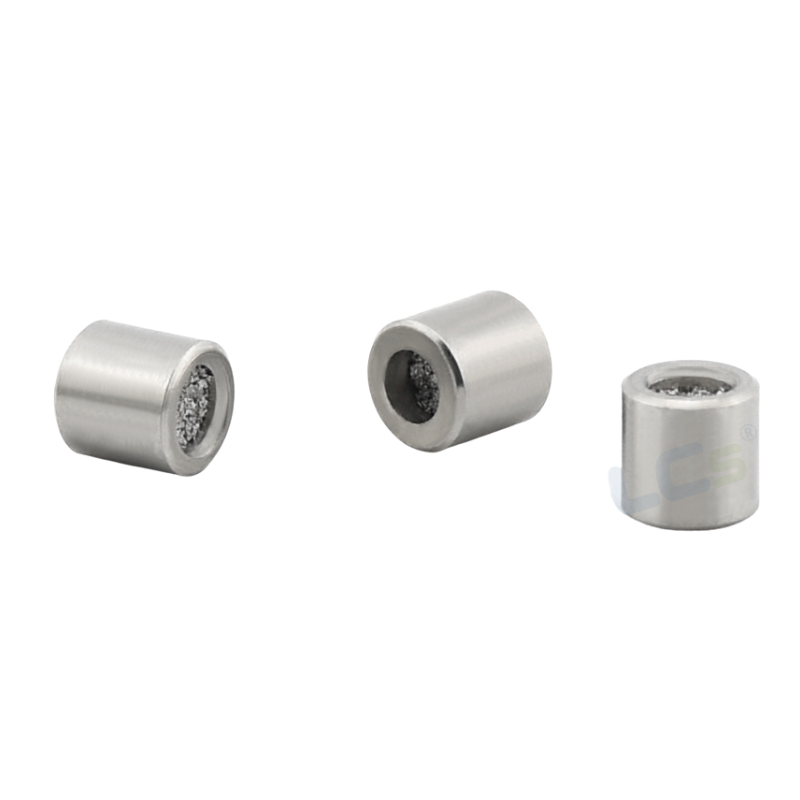
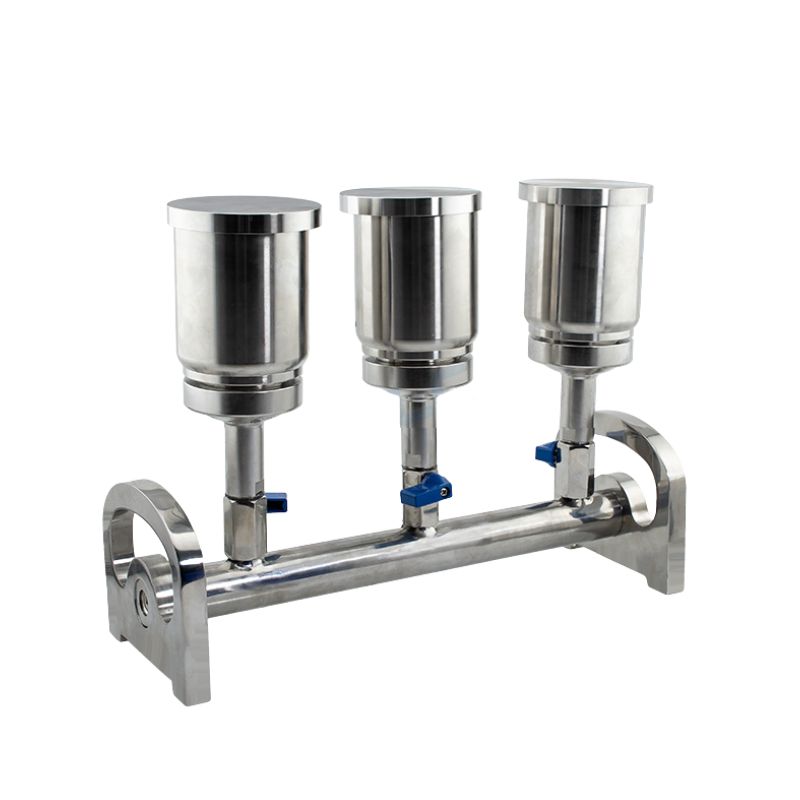
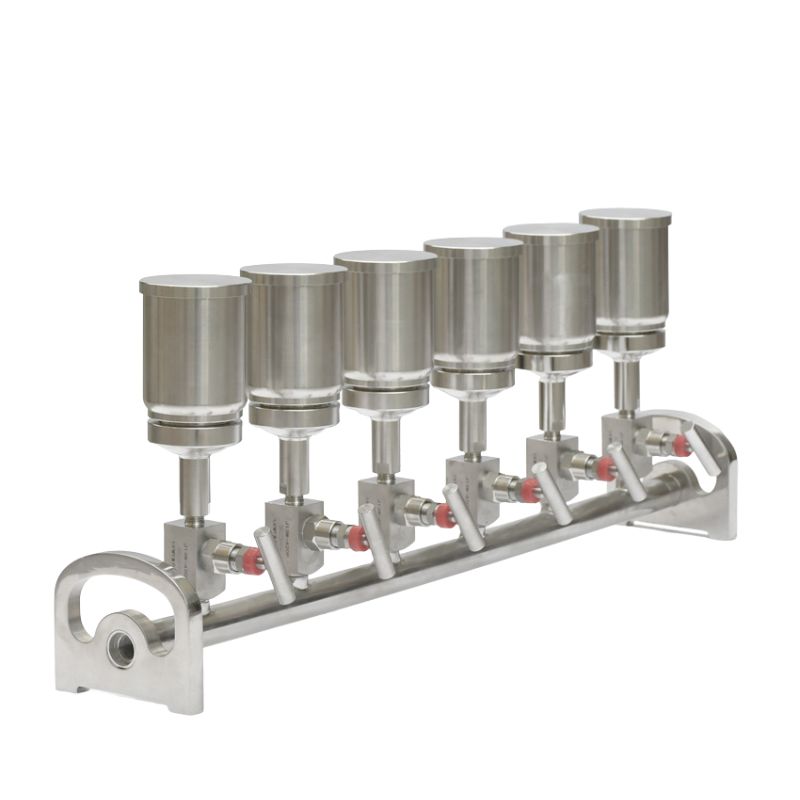
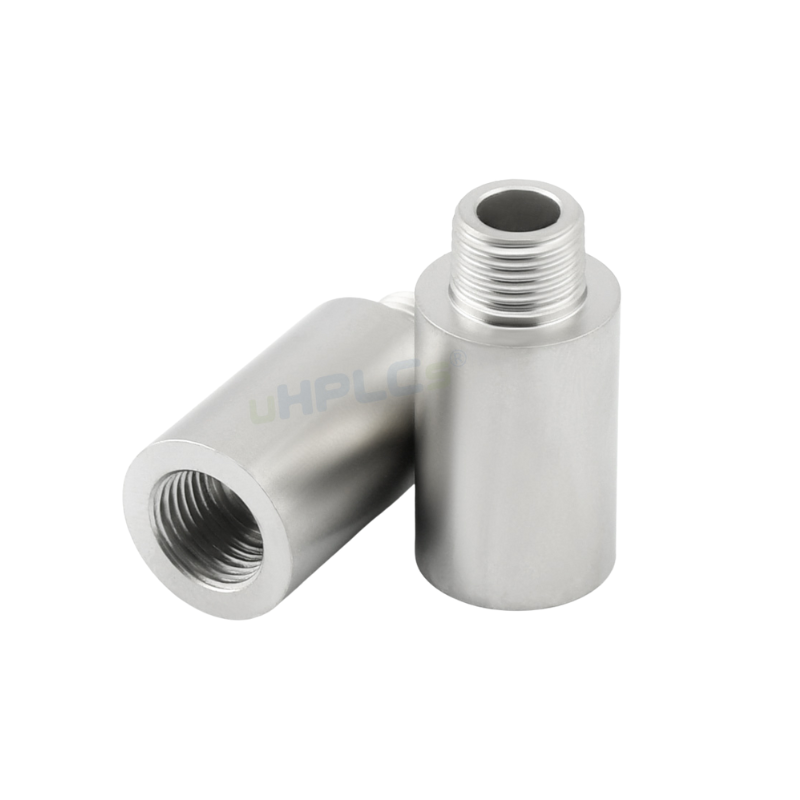
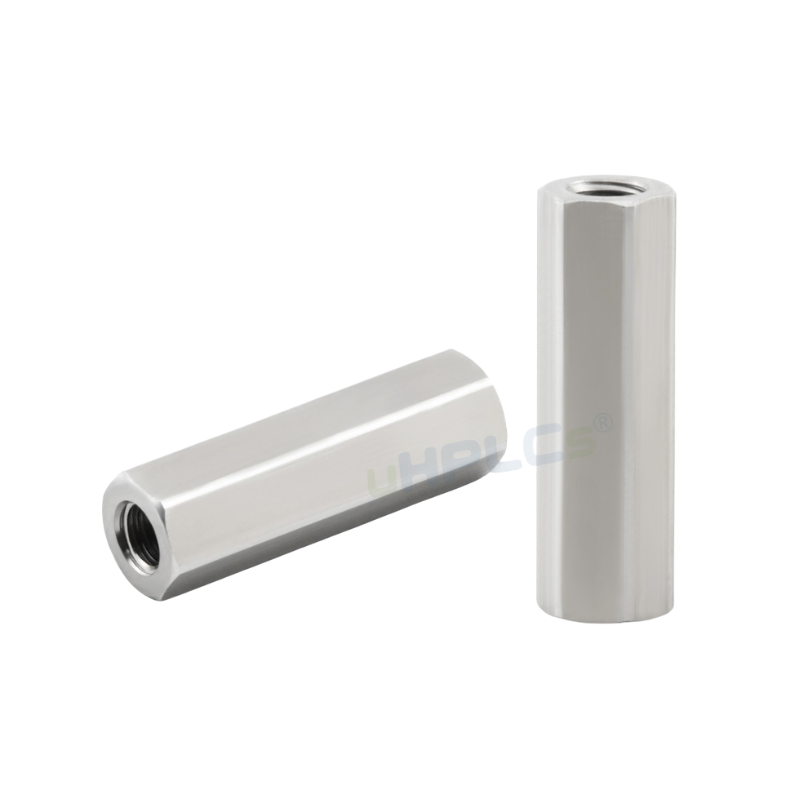
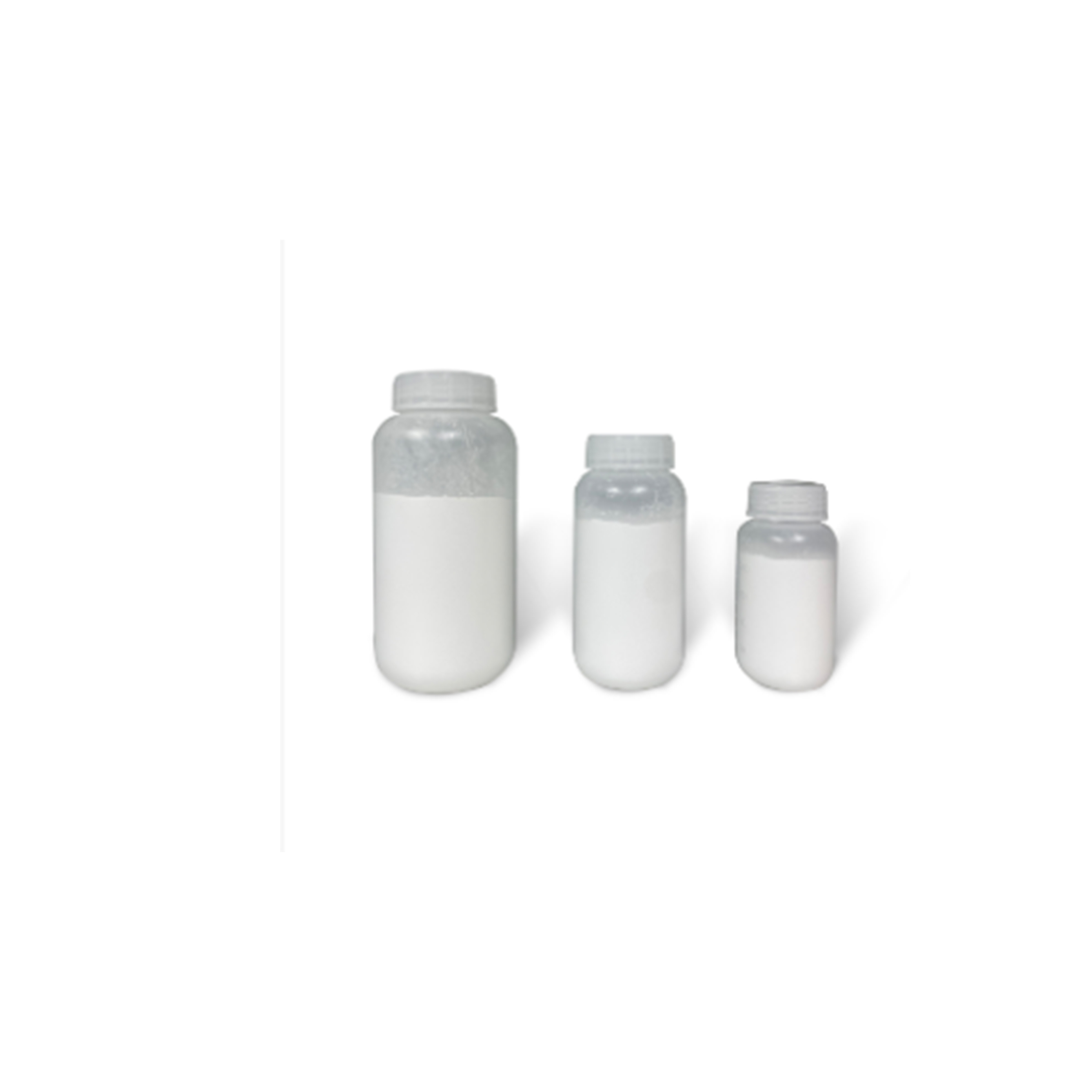
The SelectPrep Sample Preparation Sorbents are developed by Acchrom-Tech based on silica and polymer matrices, modified with various bonded phases or ionic groups. These sorbents feature excellent product performance, rigorous process control, and good batch-to-batch reproducibility.
The sorbents primarily include: SelectPrep HLB, SelectPrep MCX, SelectPrep MAX, SelectPrep WCX, SelectPrep WAX, SelectPrep C18, SelectPrep PSA, and SelectPrep GCB, etc.
*The following content is generated by AI and is for reference only.
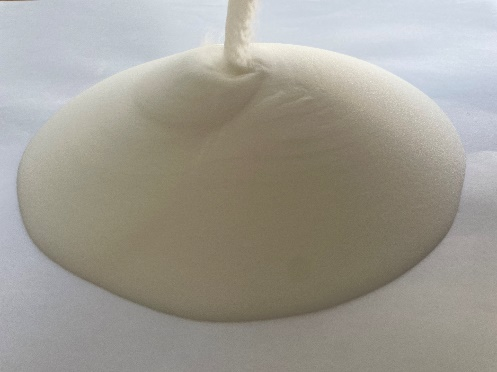
The product referenced, identified by its generic function as a solid-phase extraction (SPE) sorbent for sample preparation, is a critical tool in modern analytical chemistry. Designed to isolate and concentrate analytes from complex matrices, these sorbents utilize specific chemical interactions such as adsorption, partitioning, or ion exchange to separate target compounds from interfering substances like proteins, lipids, or salts. This purification process significantly enhances the sensitivity and accuracy of downstream analysis techniques, including high-performance liquid chromatography (HPLC), gas chromatography (GC), and mass spectrometry (MS).
These materials are available in various forms, including silica-based particles, polymeric beads, and mixed-mode phases, each tailored for distinct applications ranging from environmental water testing to pharmaceutical residue detection in biological fluids. The versatility of these sorbents allows analysts to handle diverse sample types, ensuring that trace levels of contaminants or active ingredients can be reliably quantified even in highly diluted solutions.
When handling these products, strict adherence to safety protocols is essential. Although generally stable under standard conditions, users should wear appropriate personal protective equipment, including gloves and safety goggles, to prevent skin contact or inhalation of fine dust particles during manual transfer or packing procedures. Storage must be conducted in a cool, dry environment away from direct sunlight and moisture to maintain the integrity of the functional groups on the sorbent surface. Exposure to humidity can lead to premature degradation or reduced binding capacity, compromising experimental results. Furthermore, it is crucial to avoid cross-contamination by using dedicated tools for different sorbent types and to dispose of used cartridges according to local hazardous waste regulations, particularly if they have been exposed to toxic or biohazardous samples. Proper activation of the sorbent with recommended solvents prior to use is also mandatory to ensure optimal performance and reproducibility across all analytical runs.





 (All Rights Reserved)