Product Description
please call me , to know more
AI Product Description
*The following content is generated by AI and is for reference only.
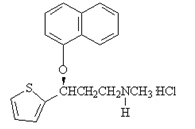
(S)-(+)-N,N-dimethyl-3-(1-naphthalenyloxy)-3-(2-thienyl)propanamine hydrochloride is a specialized chiral pharmaceutical intermediate characterized by its complex molecular architecture. With the molecular formula C20H22ClNO2S and a specific CAS Registry Number of 159486-45-8, this compound serves as a critical building block in the synthesis of advanced therapeutic agents. The molecule features a distinctive naphthyl ether moiety linked to a thienyl group via a propanamine backbone, all stabilized as a hydrochloride salt to enhance solubility and stability for industrial processing.
The primary application of this substance lies within the realm of medicinal chemistry research, specifically in the development of novel adrenergic receptor modulators and cardiovascular therapeutics. Its stereochemical purity, indicated by the (S)-(+)-designation, is paramount, as biological activity in such compounds is often strictly dependent on specific enantiomeric configurations. Researchers utilize this precursor to synthesize analogs with potential anti-hypertensive, bronchodilator, or vasodilatory properties, leveraging the unique electronic and steric contributions of the naphthalene and thiophene rings.
In laboratory settings, this high-purity reagent is employed under strict anhydrous conditions to prevent hydrolysis of the ether linkage or racemization of the chiral center. It is typically handled in controlled environments due to its potent pharmacological potential and chemical reactivity. While not a finished drug product itself, it represents a vital step in the optimization of lead compounds for clinical trials. The hydrochloride form ensures ease of handling during purification processes like crystallization or chromatography, facilitating the isolation of the desired stereoisomer with high optical yield.
Global supply chains for such niche intermediates are tightly regulated, requiring compliance with international safety standards and export controls regarding chiral precursors. As pharmaceutical innovation shifts towards more targeted therapies, the demand for structurally diverse chiral amines like this one continues to grow, driving further research into their metabolic profiles and binding affinities. Ultimately, (S)-(+)-N,N-dimethyl-3-(1-naphthalenyloxy)-3-(2-thienyl)propanamine hydrochloride stands as a sophisticated tool for chemists aiming to unlock new mechanisms of action in modern medicine.










 (All Rights Reserved)








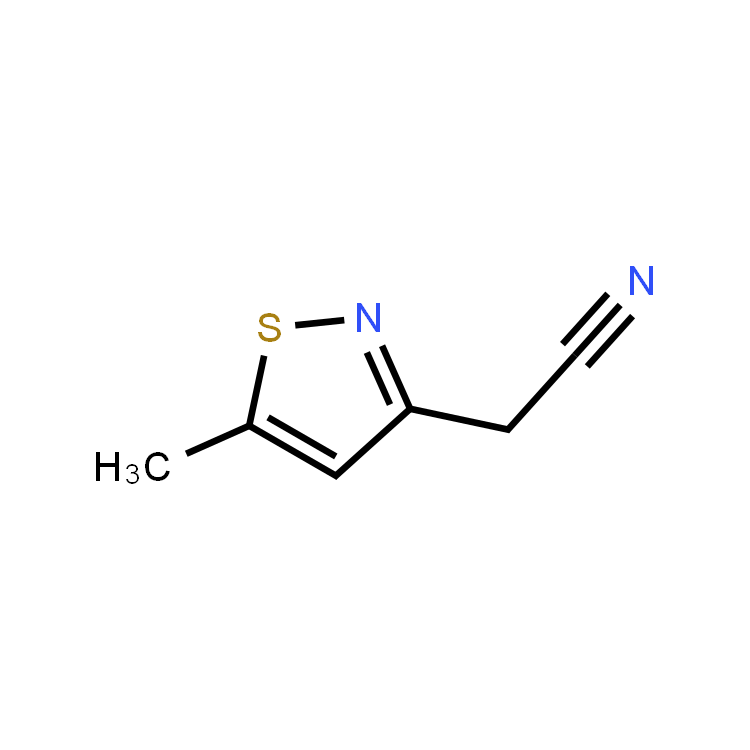
![8,16-Diazadispiro[6.1.6.2]heptadecan-17-one](https://eimg.pharmasources.com/image/product/20250403/ca91cba8b87e53fc879f8d8764873a40jpg)
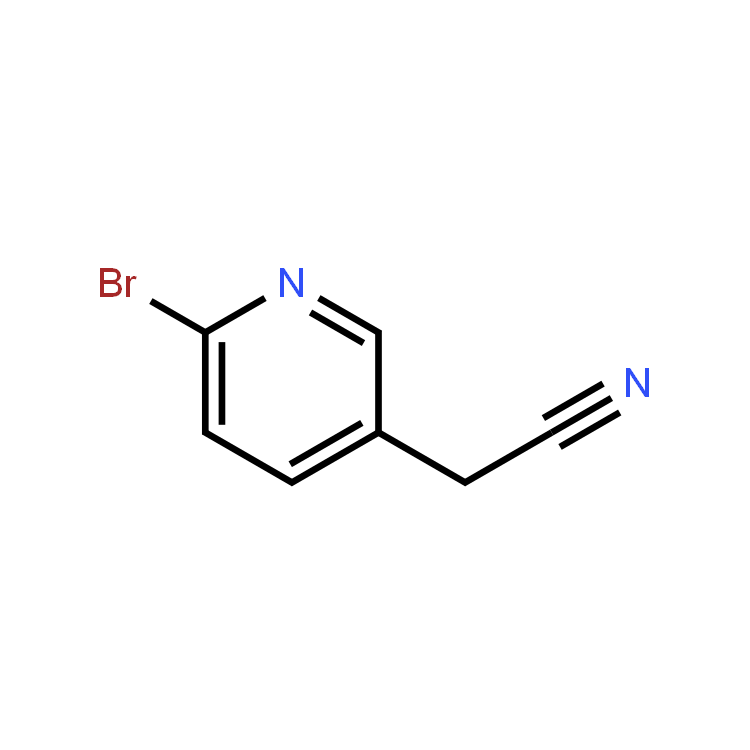
![6,8-Dioxo-5,7-diazaspiro[3.4]octane-2-carboxylic acid](https://eimg.pharmasources.com/image/product/20250403/02effeb5a7639bc84ff1f3add3c0c64fjpg)
![8-Oxa-1,3-diazaspiro[4.5]decane-2,4-dione](https://eimg.pharmasources.com/image/product/20250403/60fa7223d5a34f24138486ceea0ffb15jpg)