Product Description
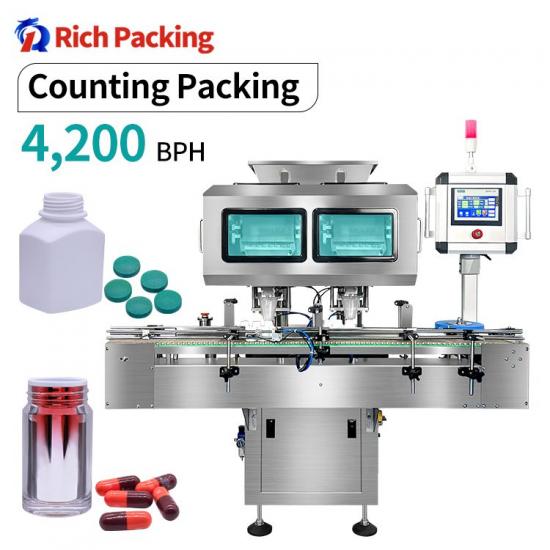
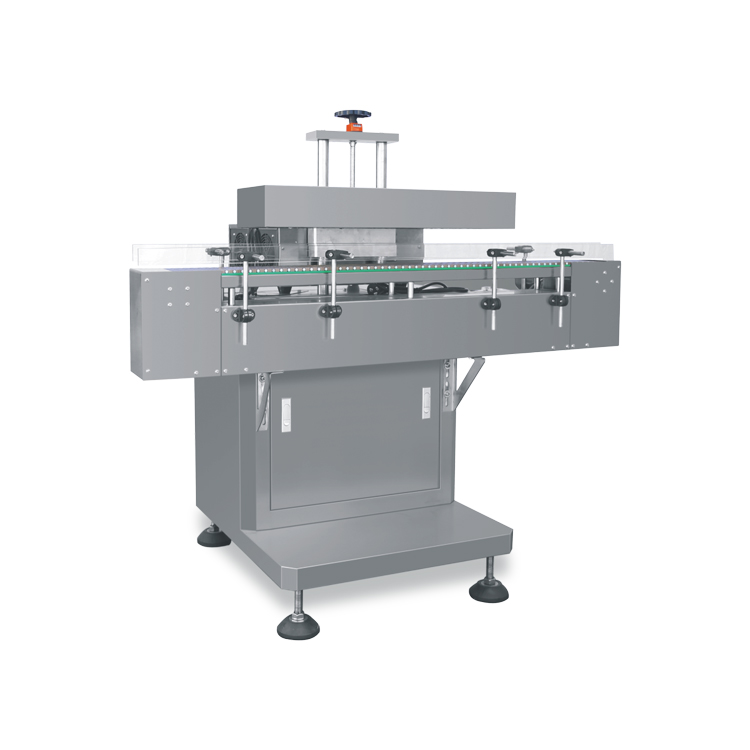
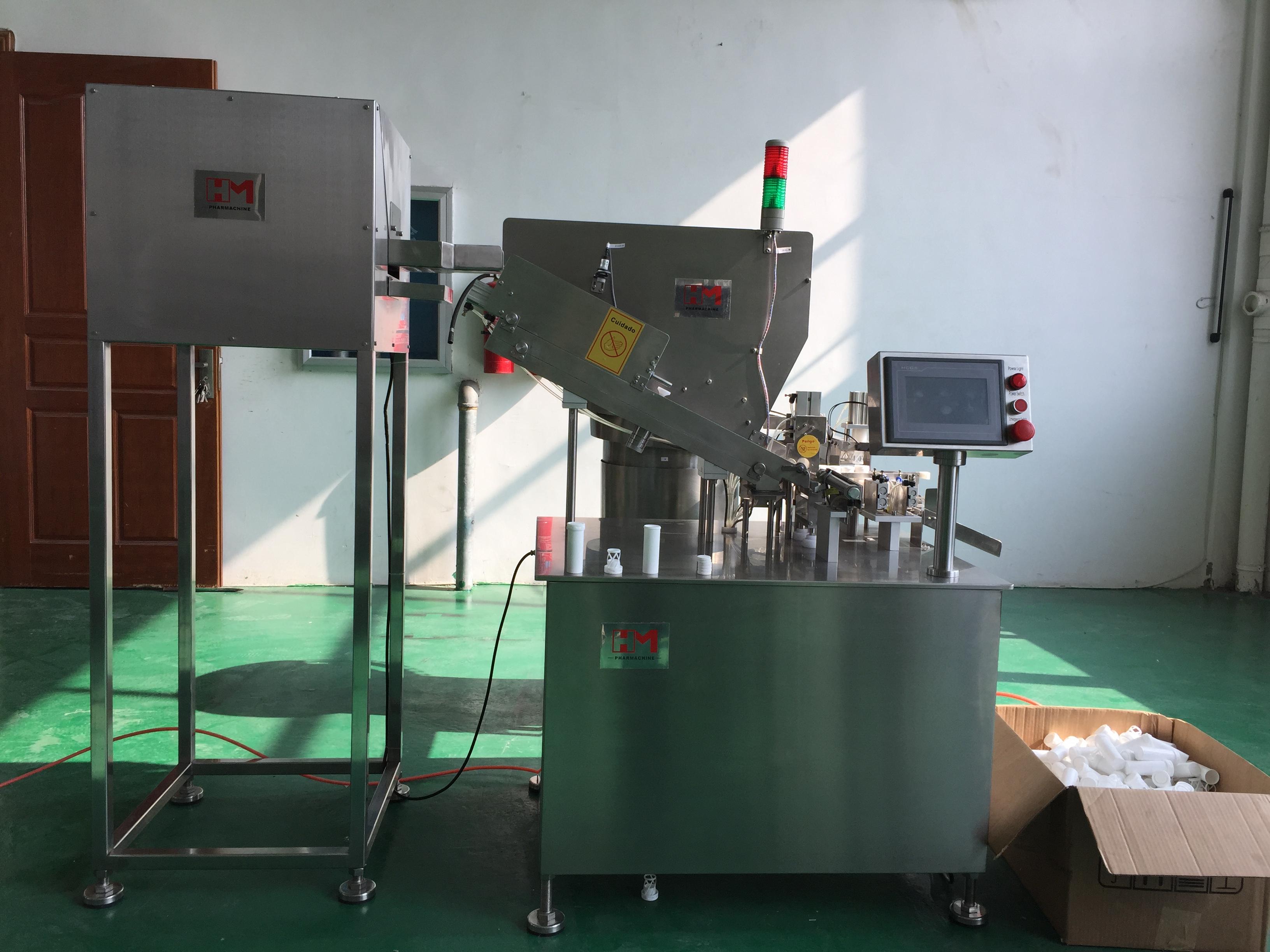
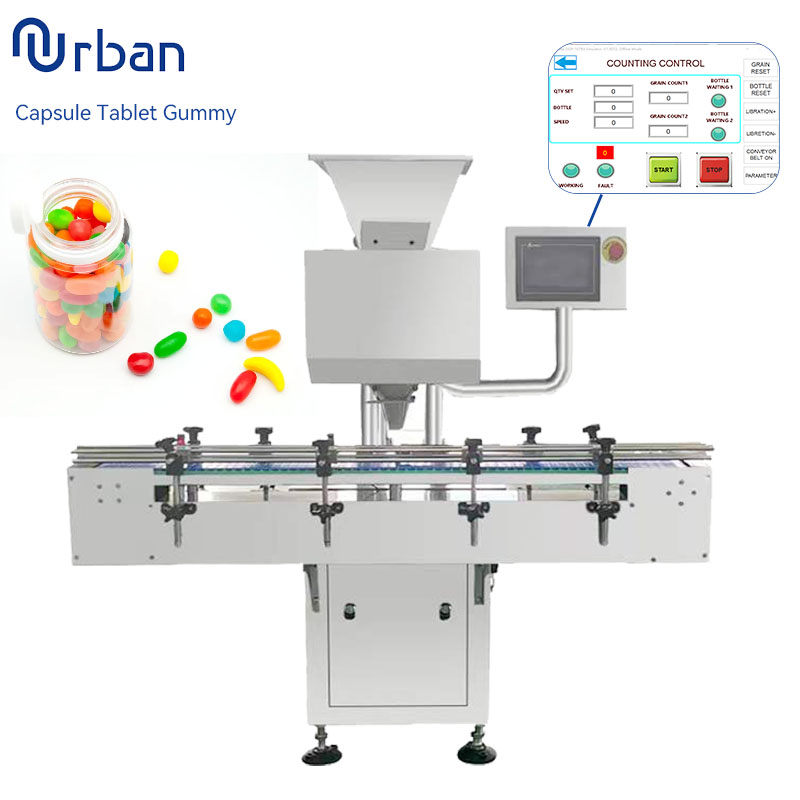
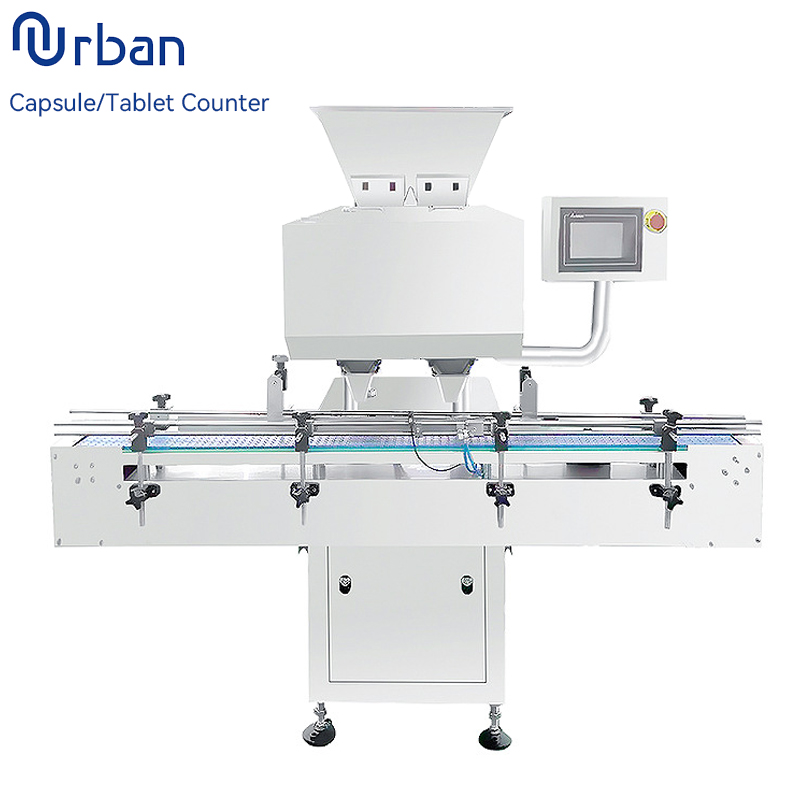
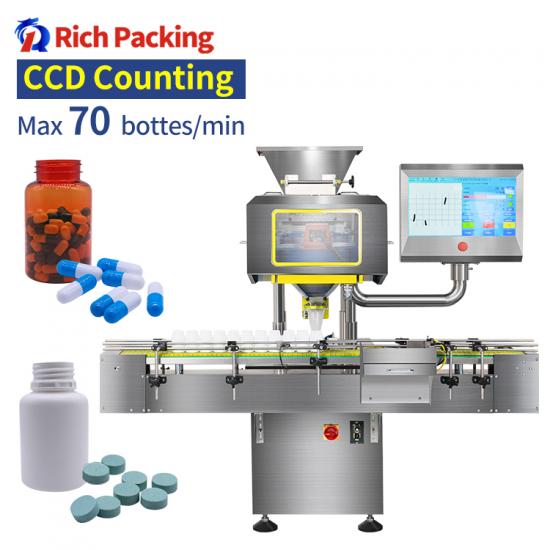
In the pharmaceutical manufacturing and packaging industry, impeccable cleanliness, precise counting and meticulous packaging processes have always been important indicators of service excellence. The DSL-8Pro CCD visual counter, as an epoch-making technological achievement, has drawn a new blueprint for the future development of this industry. It has everything we've come to expect: unparalleled speed, precision counting capabilities, and impressive security.
AI Product Description
*The following content is generated by AI and is for reference only.
The device in question is a specialized industrial machine designed for high-precision component counting and quality inspection, particularly suited for small electronic parts, screws, nuts, washers, and similar fasteners. Unlike traditional vibratory bowl feeders that rely heavily on manual tuning, this system utilizes advanced Charge-Coupled Device (CCD) vision technology to capture real-time images of individual items. By analyzing shape, size, and color variations with exceptional accuracy, the machine distinguishes between valid products and defects or foreign objects, ensuring that only qualified components are counted and sorted. This capability significantly enhances production line efficiency by eliminating human error associated with manual counting and reducing material waste caused by misclassification.
The primary application areas include electronics manufacturing, automotive assembly, medical device production, and hardware distribution centers where volume and precision are critical. The system operates at high speeds, capable of processing thousands of units per minute while maintaining a near-perfect detection rate. Its non-contact measurement approach prevents damage to delicate parts, making it ideal for fragile or irregularly shaped components that might be difficult to handle mechanically. Furthermore, the software interface allows users to customize detection parameters, store data logs for traceability, and integrate seamlessly with existing factory automation systems via standard communication protocols.
Key operational precautions involve maintaining a clean environment free from excessive dust or vibration, as these factors can interfere with optical sensors. Operators must ensure consistent lighting conditions and use appropriate fixtures to stabilize parts during feeding. Regular calibration of the camera lens and light source is essential to sustain accuracy over long-term usage. Additionally, safety protocols require locking mechanisms during maintenance to prevent accidental activation. Proper training for staff on troubleshooting common errors, such as false positives due to surface reflections, is also recommended. By adhering to these guidelines, facilities can maximize throughput, reduce downtime, and achieve superior quality control standards across their production workflows.





 (All Rights Reserved)