Product Description
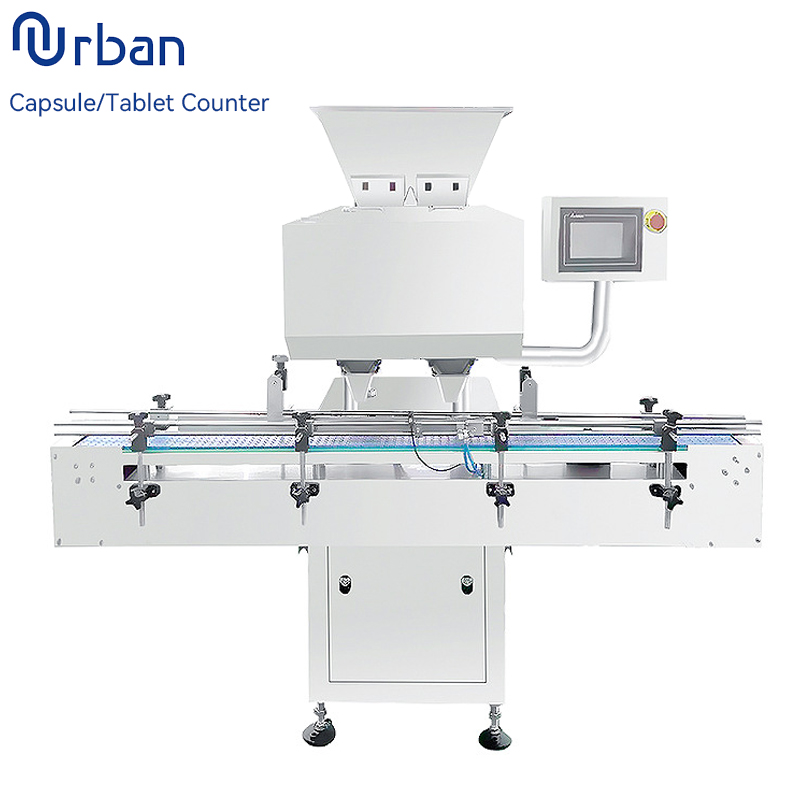
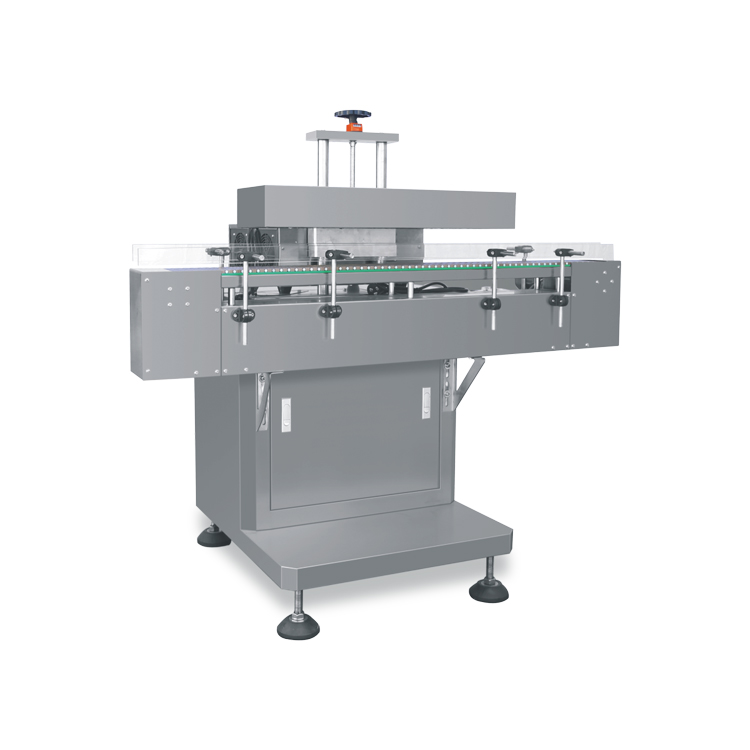
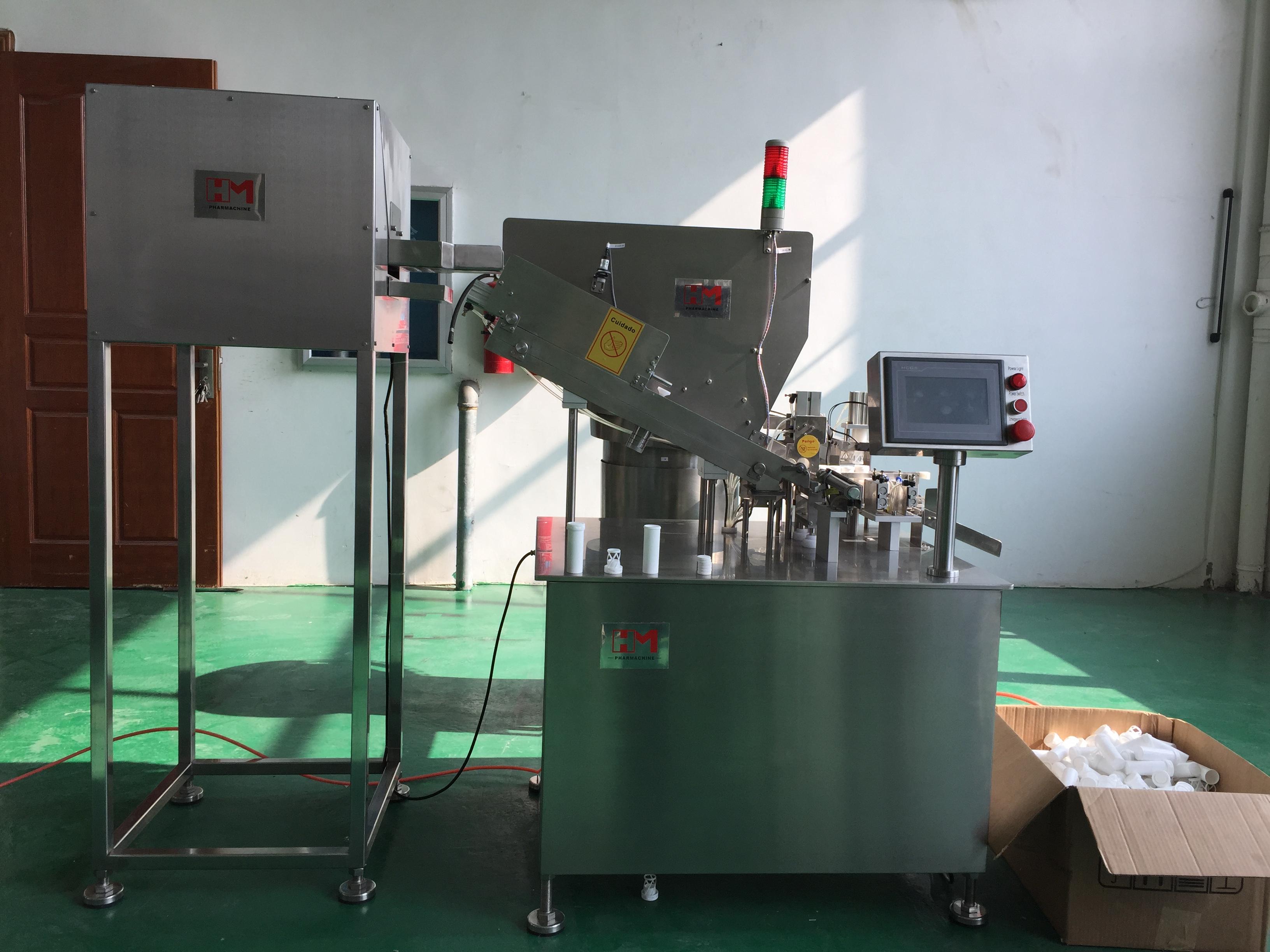
The Liquid Hard Capsule Counting Machine is an advanced device tailored specifically for the precise counting and filling of liquid-filled capsules in pharmaceutical and nutraceutical industries. Unlike traditional solid tablet or capsule counting machines, this specialized equipment caters to the unique requirements of liquid-filled capsules, ensuring accurate counts and efficient packaging processes.
AI Product Description
*The following content is generated by AI and is for reference only.
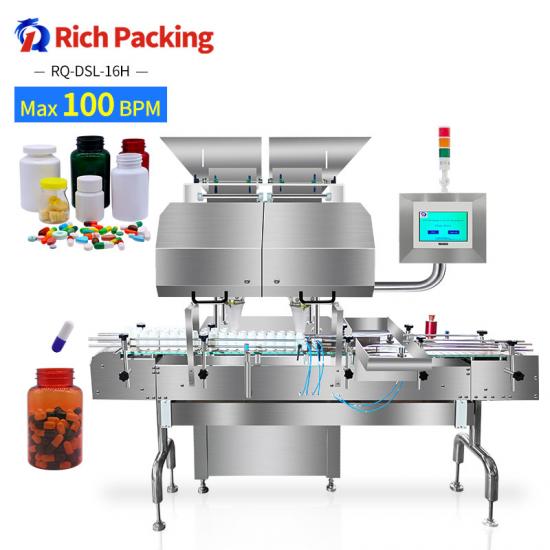
The RQ-16H Candy Tablet Counting Machine is a specialized industrial device designed to automate the high-speed counting and packaging of small, irregularly shaped solid products such as candies, pills, nuts, and seeds. Its primary function is to replace manual labor in production lines, significantly increasing efficiency while ensuring precise quantity control for every package. The machine typically operates using advanced vibration technology combined with optical sensors or mechanical sorting channels to separate individual items, preventing clumping and double-counting errors common in traditional methods.
This equipment is widely utilized in the confectionery, pharmaceutical, food processing, and chemical industries where speed and accuracy are paramount. By integrating seamlessly into existing bottling or wrapping systems, it allows manufacturers to maintain consistent output rates without compromising product integrity. The design often features modular components that facilitate easy adjustment for different product sizes and shapes, making it highly versatile for facilities handling diverse inventory. Operators can quickly switch between settings to accommodate various candy types, from hard sweets to soft gummies, ensuring minimal downtime during changeovers.
When operating this machinery, several critical precautions must be observed to ensure safety and optimal performance. First, regular cleaning is essential to prevent residue buildup, which can interfere with sensor accuracy or cause mechanical jams. Second, operators should strictly follow lockout/tagout procedures during maintenance to avoid accidental activation. Third, only authorized personnel should adjust internal calibration settings, as improper configuration can lead to significant overfilling or underfilling issues. Additionally, the environment should remain dry and free from excessive dust to protect electronic components. It is also advisable to conduct routine inspections of the vibration trays and conveyor belts for wear and tear. Proper training for staff on emergency stop protocols and basic troubleshooting is vital. Adhering to these guidelines not only extends the lifespan of the unit but also guarantees a safe working environment and consistent product quality for end consumers.





 (All Rights Reserved)