Product Description
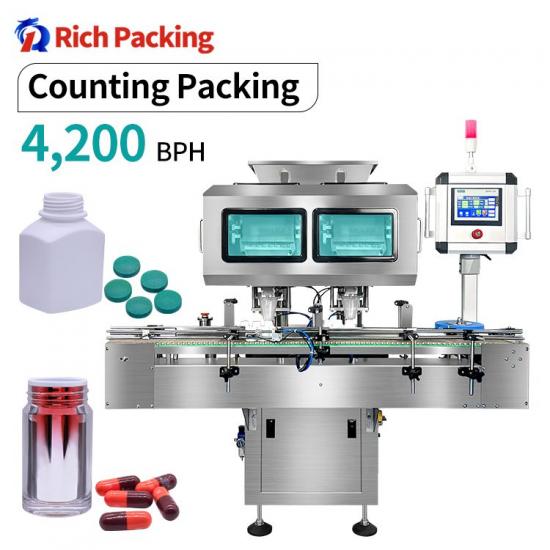
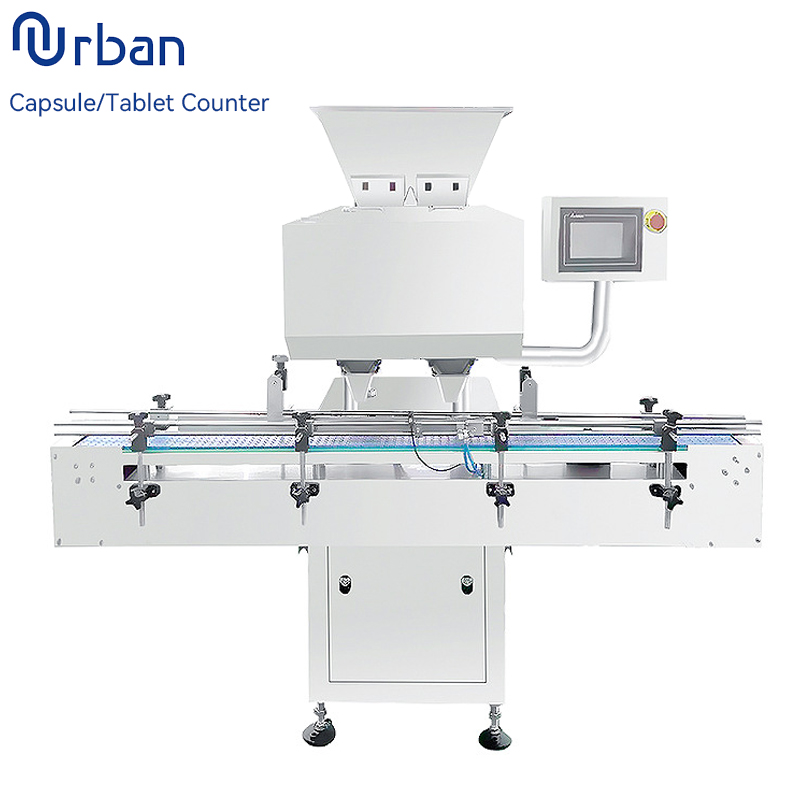
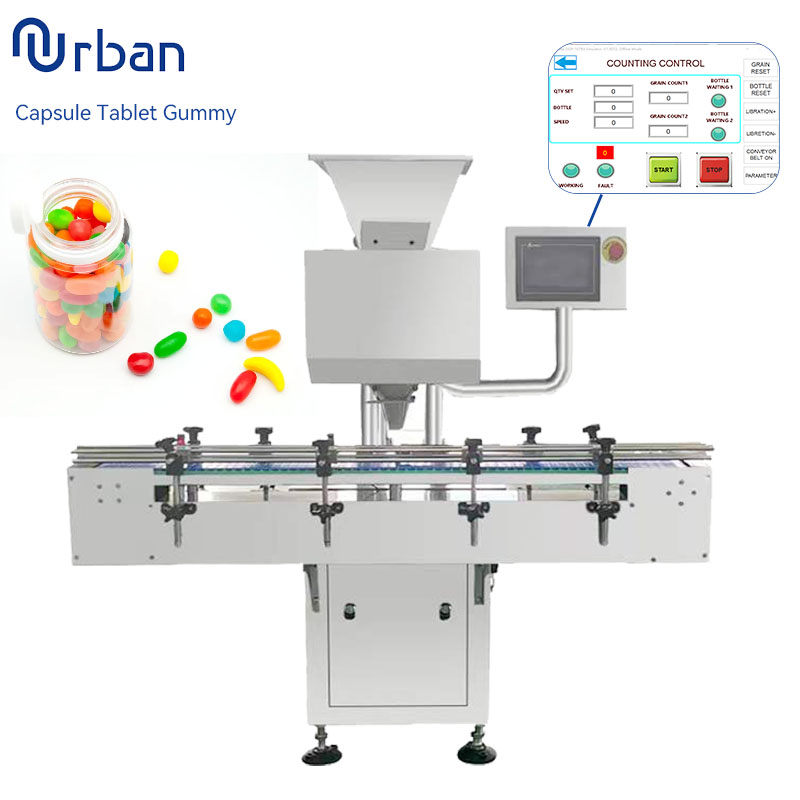
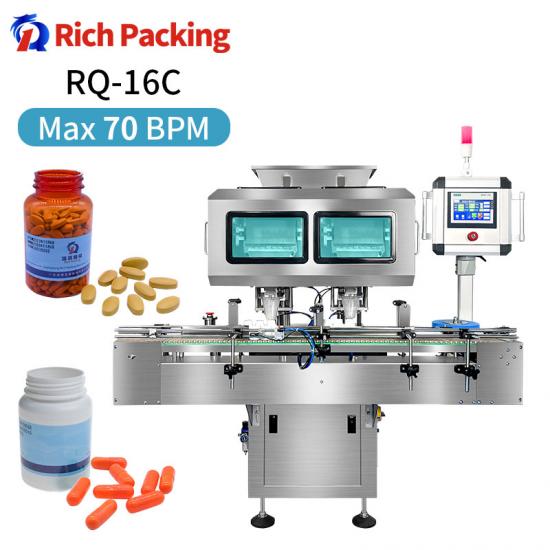
The RQ-16C electronic tablet counter and filler machine is a cutting edge solution designed for high speed counting and bottling of tablets and capsules. With a maximum production capacity of 70 bottles per minute, this machine is tailored to meet the demands of pharmaceutical packaging, ensuring accuracy, efficiency, and reliability.
AI Product Description
*The following content is generated by AI and is for reference only.
The RQ-16C Capsule Tablet Counting Machine is a high-precision automated device designed primarily for pharmaceutical manufacturing, hospital pharmacies, and compounding laboratories. Its core function is to rapidly and accurately count solid oral dosage forms, including capsules, tablets, and pills, ensuring efficiency in packaging workflows while minimizing human error. Unlike manual counting methods, which are prone to fatigue-induced mistakes and slow throughput, this machine utilizes advanced optical sensors and mechanical sorting mechanisms to separate individual units from bulk containers. The system typically features a vibrating bowl feeder that aligns products into single-file lines before they pass through a high-resolution camera or laser sensor array. These sensors verify the presence and integrity of each item, rejecting any broken or malformed pieces automatically.
Operational parameters often include adjustable speed settings to accommodate different product sizes and shapes, ranging from small hard-shell capsules to large extended-release tablets. The machine boasts a high counting capacity, capable of processing thousands of units per minute, significantly boosting production line output. Furthermore, it integrates seamlessly with downstream packaging equipment, such as blister packing machines or bottle cappers, creating a fully automated dispensing solution. Safety protocols are paramount during operation; users must ensure that the machine is grounded properly to prevent electrical hazards and regularly clean the counting track to avoid cross-contamination between different medication batches. Maintenance requires periodic calibration of sensors and inspection of moving parts to maintain accuracy levels within strict regulatory limits set by health authorities. Operators should also be trained to handle sensitive pharmaceutical materials carefully, adhering to Good Manufacturing Practices (GMP) guidelines. This equipment represents a critical investment for facilities aiming to enhance quality control, reduce labor costs, and guarantee patient safety through precise dosage verification.





 (All Rights Reserved)