Product Description
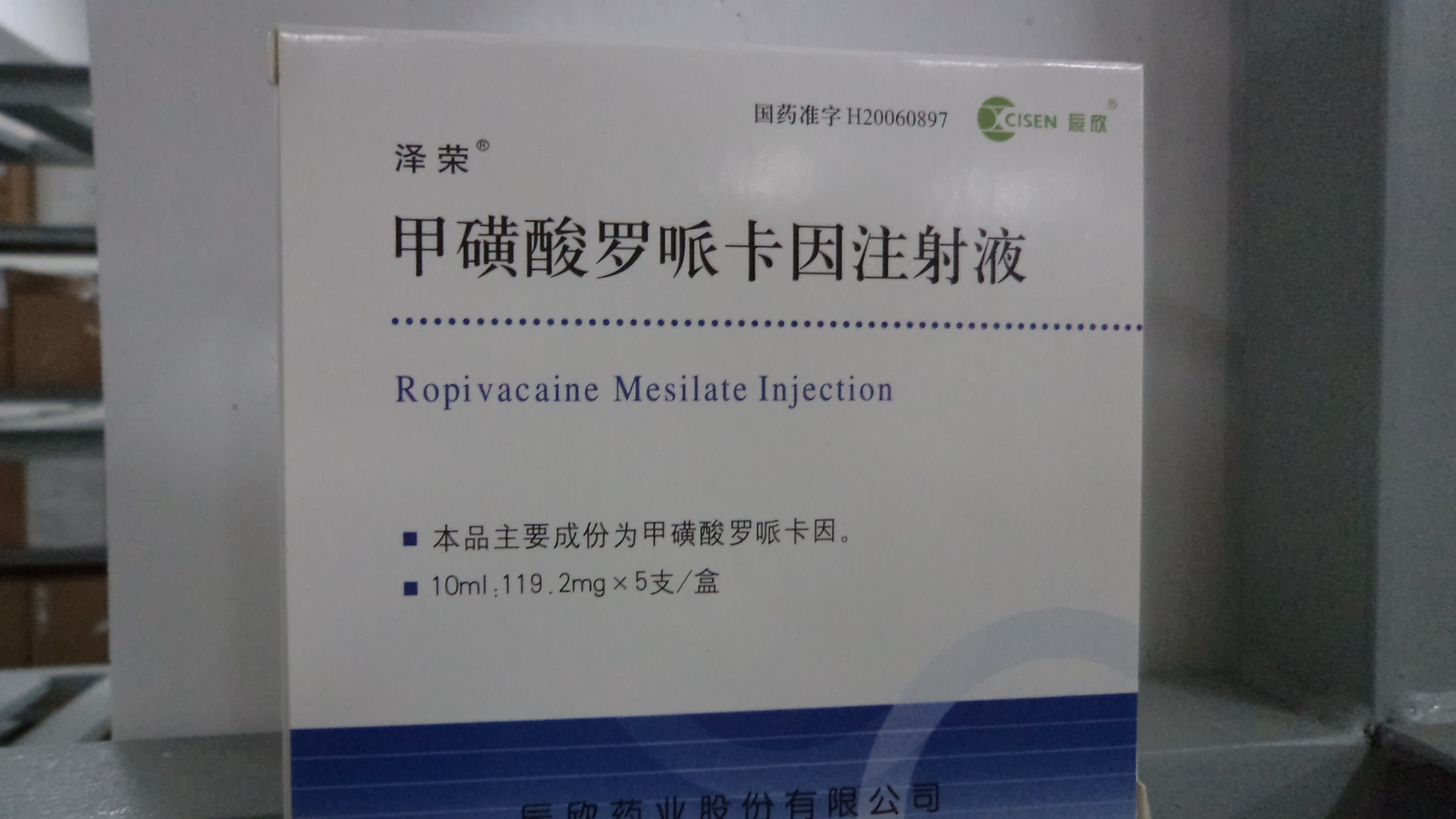
Ropivacaine Mesilate Injection. It is a local infiltrating anesthetic, commonly used in oral and dental treatment of local infiltrating anesthesia, nerve block type, suitable for abdominal surgery, limbs and perineal surgery. Because it can affect the fetus through the placenta, pregnant women should not use it.
Specification: 20ml: 400mg
AI Product Description
*The following content is generated by AI and is for reference only.
Ropivacaine Mesilate Injection is a sterile, preservative-free local anesthetic agent belonging to the amide class. Primarily indicated for surgical anesthesia and pain management, it serves as a versatile tool in modern clinical practice. Its main therapeutic applications include infiltration anesthesia, nerve blocks for both upper and lower extremities, epidural anesthesia for labor and delivery, and postoperative pain control. Unlike some older agents, Ropivacaine Mesilate offers a favorable safety profile with a high degree of motor-sparing potential when used at appropriate concentrations, making it particularly valuable in obstetrics and ambulatory surgery where patient mobility is desired shortly after procedures.
The drug functions by reversibly blocking sodium channels in neuronal membranes, thereby inhibiting the initiation and conduction of nerve impulses. The mesilate salt form ensures stability and solubility in aqueous solutions, facilitating rapid onset and predictable duration of action. However, its use requires strict adherence to safety protocols. A critical precaution involves avoiding intravascular injection, as systemic absorption can lead to severe central nervous system toxicity, manifesting as dizziness, tinnitus, seizures, or even respiratory depression. Cardiovascular effects, including hypotension and bradycardia, are also possible, necessitating continuous monitoring during administration.
Patients with known hypersensitivity to amide-type local anesthetics should not receive this medication. Caution is advised for individuals with severe hepatic impairment, heart block, or unstable cardiovascular status, as these conditions may alter drug metabolism and increase toxicity risks. The dosage must be carefully calculated based on the procedure type, site of injection, and patient weight to prevent overdose. Furthermore, epinephrine is sometimes added to prolong the duration of action, but this combination requires specific evaluation for patients with uncontrolled hypertension or arrhythmias. Medical personnel must be prepared to manage potential adverse reactions immediately. This product should only be administered by qualified healthcare professionals trained in regional anesthesia techniques, ensuring that resuscitation equipment and emergency drugs are readily available. Proper storage in a cool, dry place away from light maintains the integrity of the solution until use.







 (All Rights Reserved)