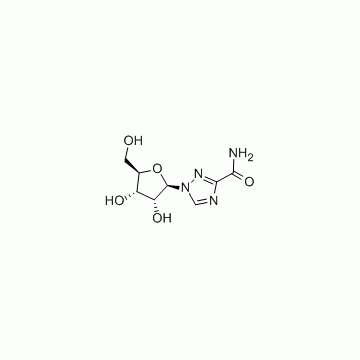
Ribavirin is a broad - spectrum nucleoside antiviral drug.For influenza, pediatric adenovirus pneumonia, viral hepatitis, respiratory syncytial virus infection, acute keratitis, conjunctivitis, epidemic hemorrhagic fever shingles, etc
*The following content is generated by AI and is for reference only.
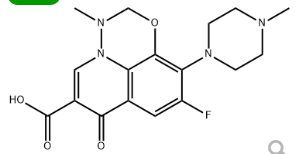
Ribavirin is a broad-spectrum antiviral medication widely utilized in clinical settings to combat various viral infections. Its chemical identity is defined by the molecular formula C8H12N4O5 and it is universally recognized by the CAS number 36791-04-5. Structurally, Ribavirin is a synthetic guanosine analogue that functions by inhibiting viral RNA synthesis through multiple mechanisms. It interferes with the capping of viral mRNA, disrupts the replication of viral genetic material, and induces lethal mutagenesis in certain RNA viruses, thereby preventing the virus from propagating effectively within host cells.
The primary therapeutic applications of Ribavirin include the treatment of chronic Hepatitis C infection, often administered in combination with direct-acting antivirals or interferon-alpha to enhance efficacy and reduce viral load. Historically, it has also been a cornerstone therapy for severe respiratory syncytial virus (RSV) infections, particularly in hospitalized infants and immunocompromised patients where aerosolized administration is employed. Additionally, it shows activity against other hemorrhagic fevers caused by Lassa fever virus and some arenaviruses, although its use in these contexts is often restricted to specific protocols due to safety profiles.
Despite its efficacy, Ribavirin carries significant safety considerations. The most prominent adverse effect is dose-dependent hemolytic anemia, which necessitates careful monitoring of patient blood counts during therapy. Furthermore, the drug is strictly contraindicated in pregnancy due to potent teratogenic and embryocidal effects observed in animal studies, requiring rigorous contraception measures for both male and female patients during and after treatment. Other side effects may include fatigue, rash, cough, and dyspnea. While newer antiviral regimens have reduced reliance on Ribavirin for Hepatitis C, it remains a vital component in managing RSV and specific viral hemorrhagic fevers where no alternative therapies exist. Its unique mechanism of action ensures its continued relevance in the global pharmacopeia for treating resilient viral pathogens.





 (All Rights Reserved)
![6-broMo-2-chloro-8-cyclopentyl-5-Methylpyrido[2,3-d]pyriMidin-7(8H)-one](https://eimg.pharmasources.com/image/20250617/4zoOybJjzUTk0UgguabMkX7VnrDIlxHluERwqkjK.jpg)