Product Description
ppm/ activity
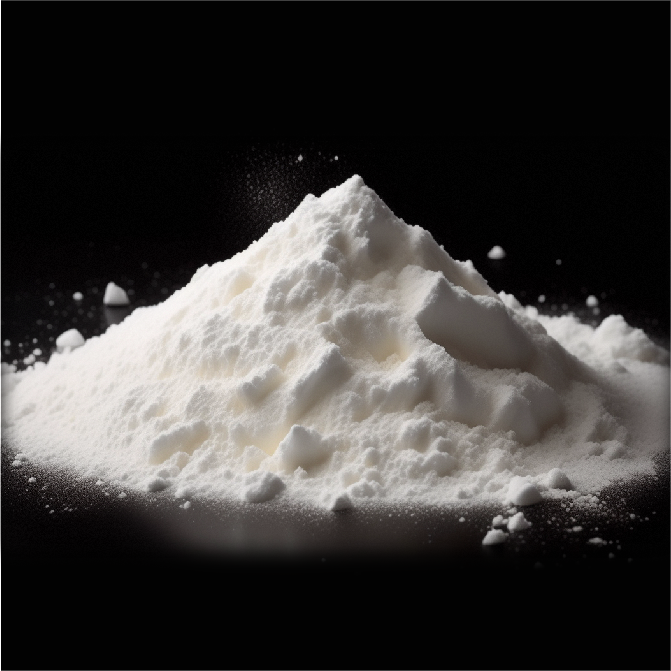
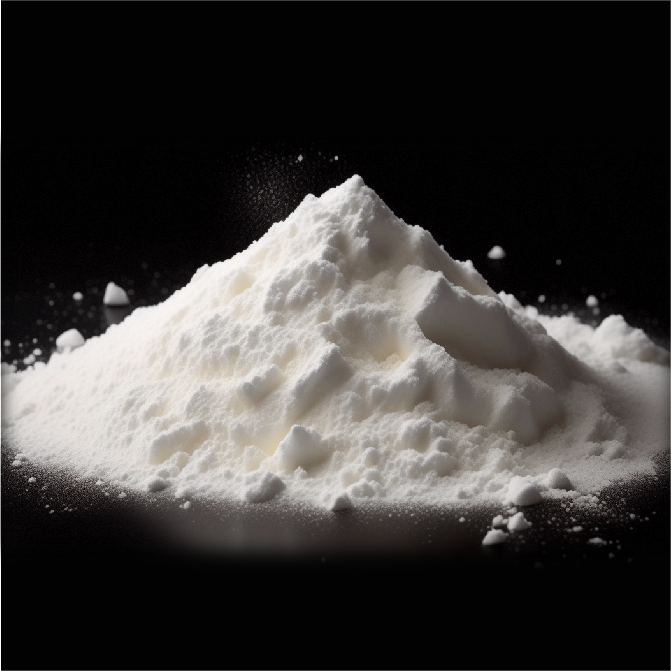
Powder
INCI Name
SOLUBLE COLLAGEN
Feature
- World premiere highly expressed genetic engeineering recombinant micro-molecule collagen, containing 5 molecule weights collagen: highly active, easy to be absorbed, and animal-free.
- rh Collagen III can promote skin repair and regeneration, improve sensitive skin. Also been shown to uniquely stimulate both collagen type III production and secretion by primary human dermal fibroblasts.
AI Product Description
*The following content is generated by AI and is for reference only.
Recombinant Humanized Small-molecule Collagen represents a significant advancement in biomaterials science, offering a safe and effective alternative to traditional animal-derived collagens. Unlike native collagen extracted from bovine or porcine sources, this product is synthesized using recombinant DNA technology, ensuring it is free from viral contaminants, allergens, and immune responses often associated with xenogeneic materials. The "small-molecule" designation refers to engineered peptide sequences that mimic the essential structural domains of human type I collagen, providing high biocompatibility while maintaining superior stability and solubility.
The primary applications of this innovative material span regenerative medicine, tissue engineering, and advanced wound care. In dermatology, it serves as a critical scaffold for skin regeneration, promoting rapid cell adhesion, proliferation, and differentiation in chronic wounds such as diabetic ulcers and burn injuries. Its role extends to orthopedics and ophthalmology, where it supports bone healing and corneal repair by mimicking the natural extracellular matrix environment. Furthermore, due to its precise molecular definition, it is increasingly utilized in drug delivery systems and 3D bioprinting, allowing researchers to create highly controlled microenvironments for stem cell culture and tissue fabrication.
When handling Recombinant Humanized Small-molecule Collagen, strict adherence to sterile techniques is mandatory to prevent microbial contamination. Although generally non-immunogenic, users should perform patch tests prior to extensive clinical application to rule out rare hypersensitivity. Storage conditions are critical; the product must be kept at recommended temperatures, typically between 2°C and 8°C, and protected from light to preserve structural integrity. Once reconstituted, it should be used immediately or stored according to specific manufacturer guidelines to avoid degradation. It is not intended for intravenous injection unless specifically formulated and approved for such use. Always consult the latest technical data sheet and regulatory approvals relevant to your specific region before implementation in clinical or research settings to ensure safety and efficacy.





 (All Rights Reserved)