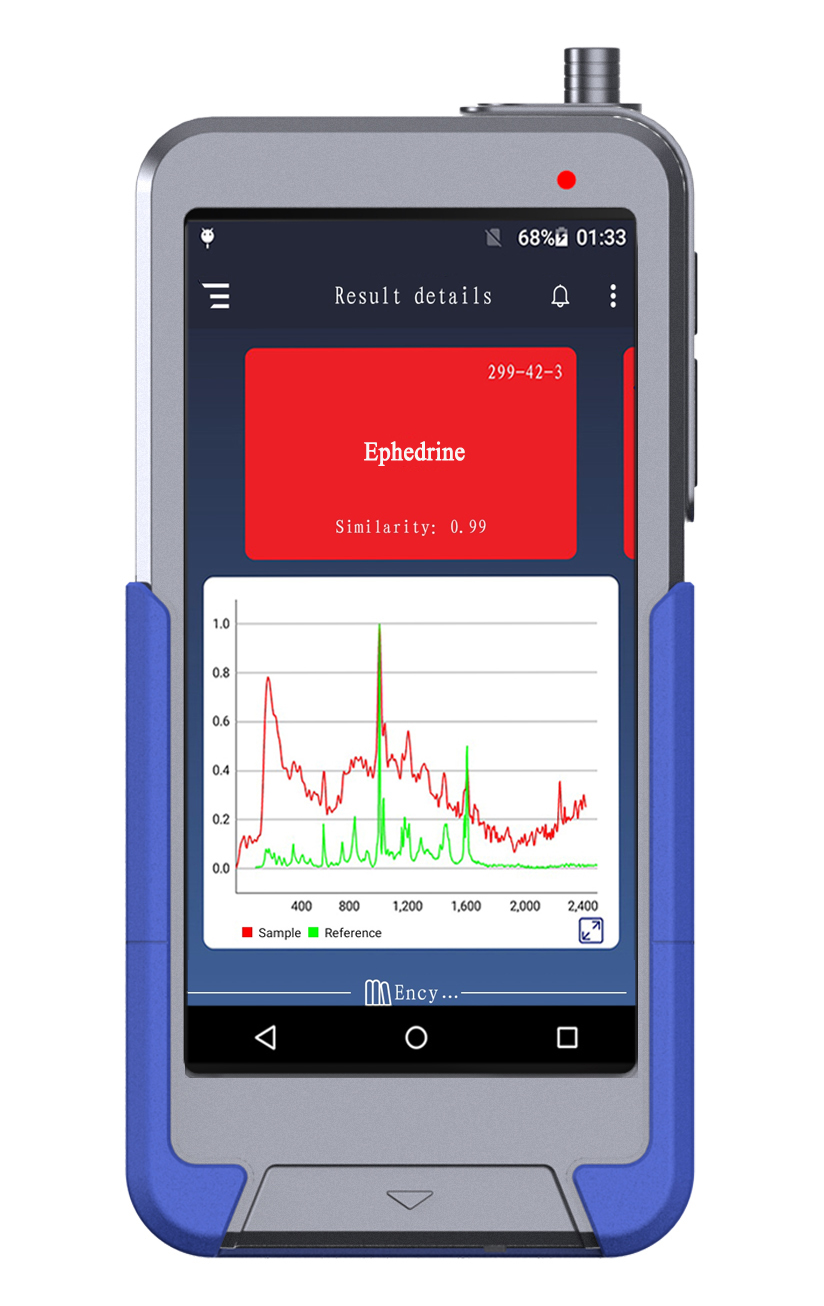
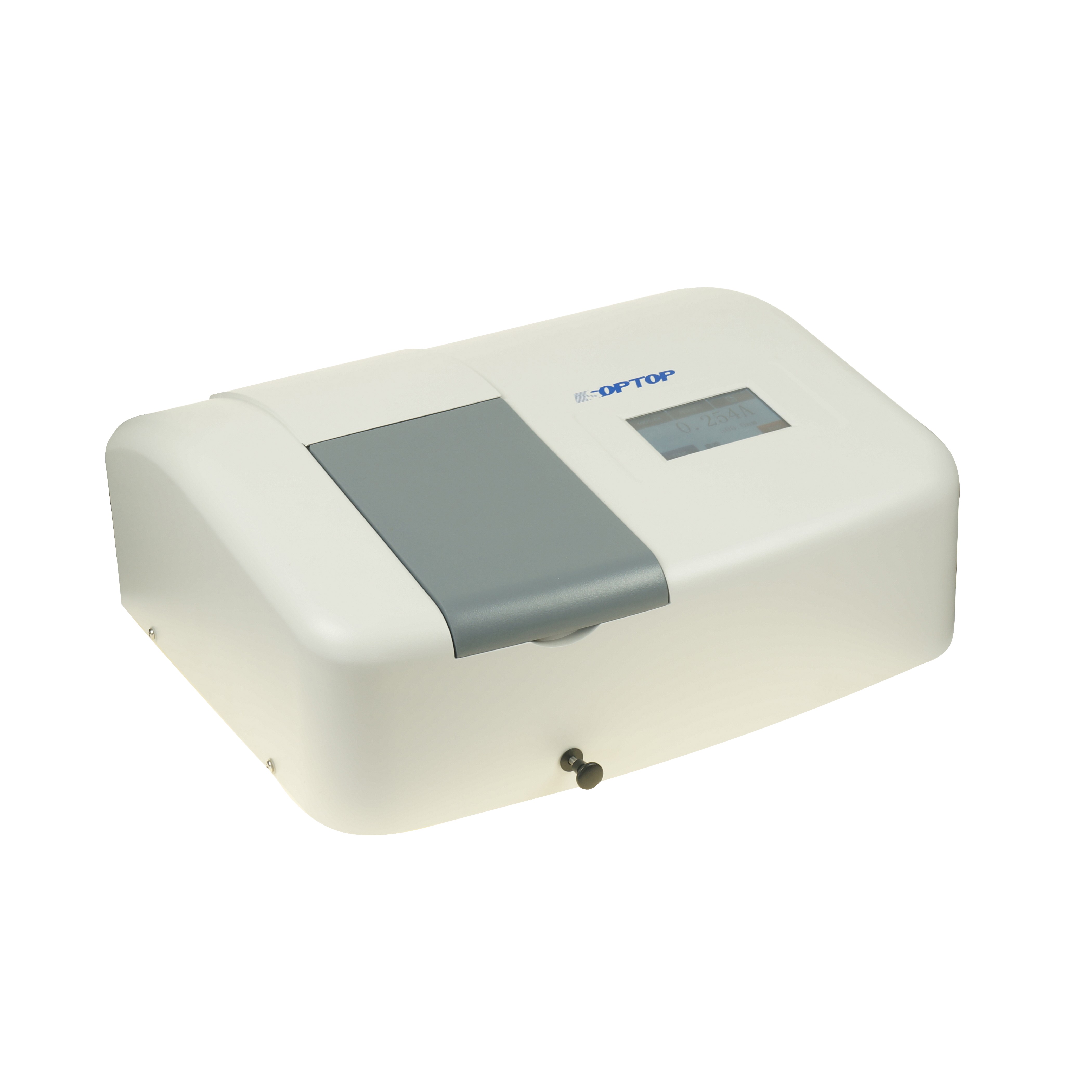
Product Description
Specification
Laser Wavelength | 1064nm |
Laser Output Power | ≤500mW |
Spectral Range | 200-2500cm-1 |
Spectral Resolution | <14cm-1@1262.339nm |
Connectivity | Bluetooth and Wifi |
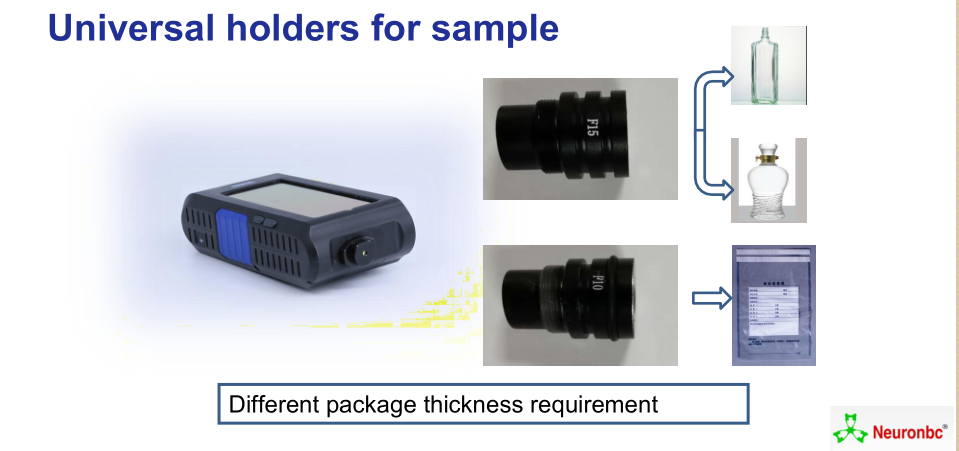
Collection | Optics 10mm and 15mm focus lens |
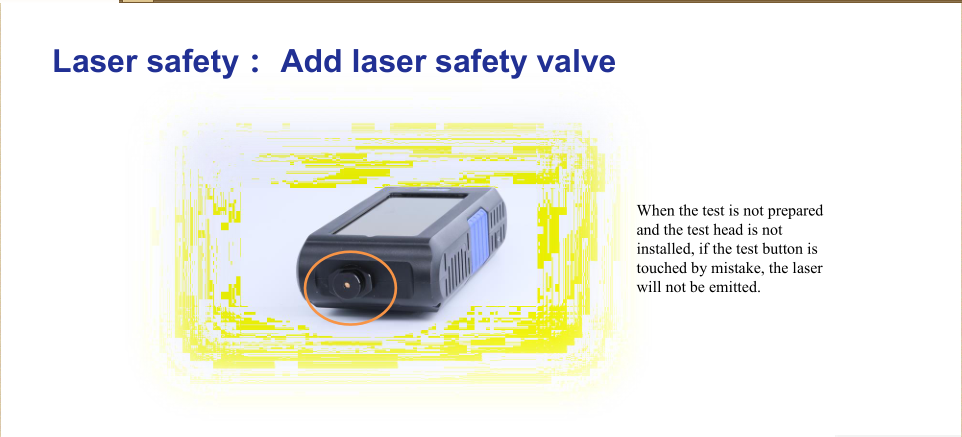
Laser Class | Class 3B |
Weight | 1.2Kg |
Size | 19.8*9.9*5.2cm |
AI Product Description
*The following content is generated by AI and is for reference only.
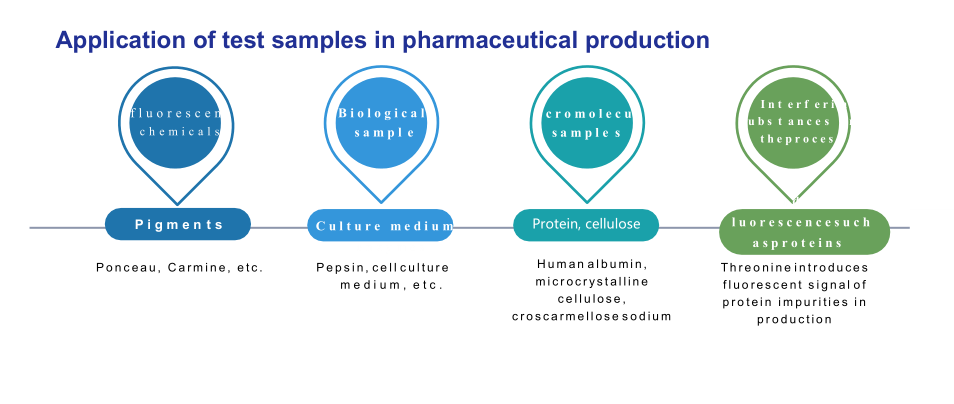
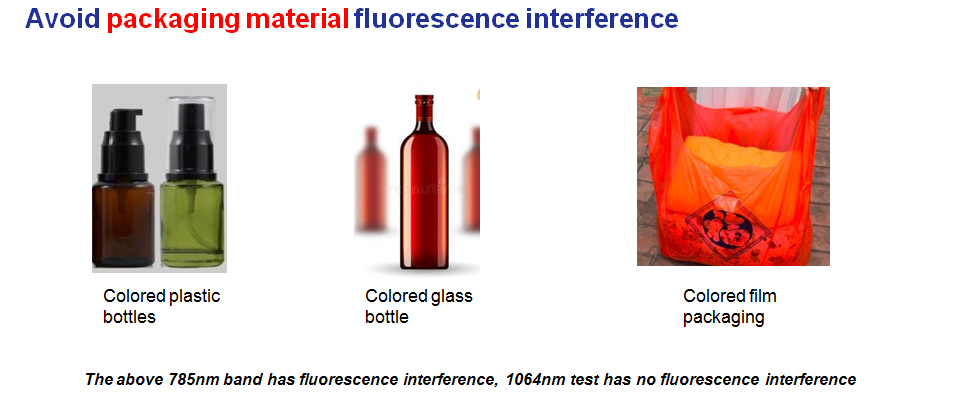
Handheld Raman spectrometers operating at 1064 nm represent a significant advancement in non-destructive analytical technology, designed primarily for rapid, on-site identification of unknown substances. Unlike visible-light systems, these near-infrared instruments utilize a 1064 nm laser source to minimize fluorescence interference, which often obscures signals in complex matrices such as pharmaceuticals, polymers, and biological tissues. This capability makes them indispensable for industries requiring precise chemical fingerprinting without sample preparation or destruction.
The primary application lies in security and defense sectors, where they are employed to detect explosives, narcotics, and hazardous chemicals through packaging or containment vessels. In the pharmaceutical industry, quality control teams use these devices to verify raw materials and finished products against reference libraries, ensuring compliance with regulatory standards while preventing counterfeiting. Environmental agencies also leverage this technology for soil and water analysis, identifying pollutants and contaminants in real-time during field operations. Furthermore, geologists and mineralogists utilize handheld units to classify minerals and rocks directly in remote locations, streamlining exploration workflows.
Despite their robustness, several critical precautions must be observed during operation. Users should strictly adhere to laser safety protocols, as the 1064 nm beam is invisible yet potentially hazardous to eyes; appropriate protective eyewear is mandatory. Although the long wavelength reduces fluorescence, highly fluorescent samples may still require background subtraction techniques or longer integration times. Thermal management is another consideration; prolonged continuous scanning can cause sensor heating, potentially affecting data accuracy, so intermittent usage is recommended. Additionally, calibration must be performed regularly using standard reference materials to maintain spectral integrity. Proper storage in temperature-controlled environments prevents drift, and users should avoid exposing the optical window to extreme humidity or abrasive dust. By following these guidelines, operators can ensure reliable, high-fidelity results across diverse industrial and scientific applications.





 (All Rights Reserved)