*The following content is generated by AI and is for reference only.
<h3>Overview</h3>
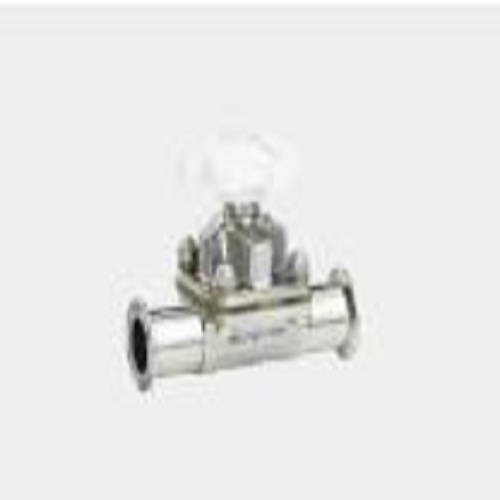
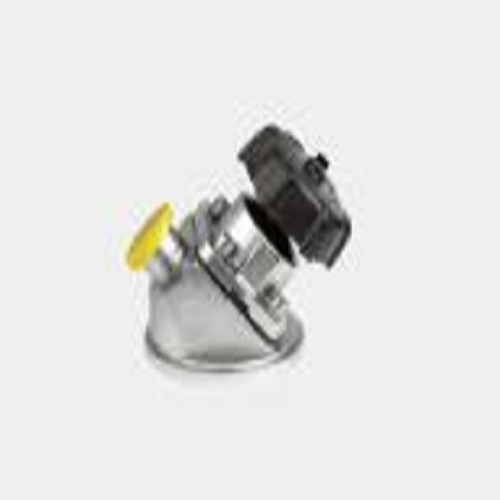
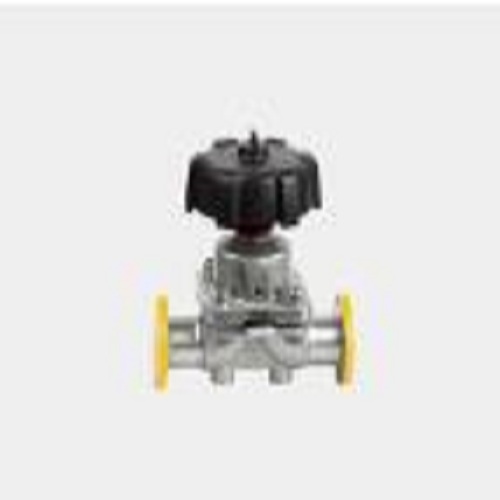
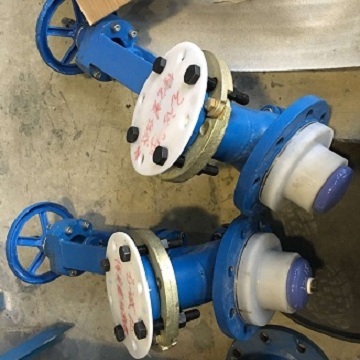
<p>A <strong>diaphragm valve</strong> is a throttling device that utilizes a flexible membrane to control fluid flow. Constructed from corrosion-resistant alloys or polymers, these valves adhere to international standards like ANSI and DIN, ensuring reliable isolation in demanding industrial pipelines without metal-to-metal contact.</p>
<h3>Application</h3>
<ul>
<li><strong>Pharmaceuticals:</strong> Sterile processing lines requiring CIP/SIP compliance.</li>
<li><strong>Chemical Processing:</strong> Handling corrosive acids, alkalis, and abrasive slurries.</li>
<li><strong>Food & Beverage:</strong> Hygienic transport of viscous liquids and particulate matter.</li>
<li><strong>Pulp & Paper:</strong> Managing fibrous suspensions and bleaching agents.</li>
</ul>
<h3>Precautions</h3>
<ul>
<li>Monitor diaphragm integrity regularly to prevent leakage under high pressure.</li>
<li>Schedule periodic replacement based on chemical compatibility and cycle frequency.</li>
<li>Ensure actuator torque aligns with valve sizing to avoid membrane rupture.</li>
<li>Inspect for abrasion damage in slurry applications during routine maintenance.</li>
</ul>