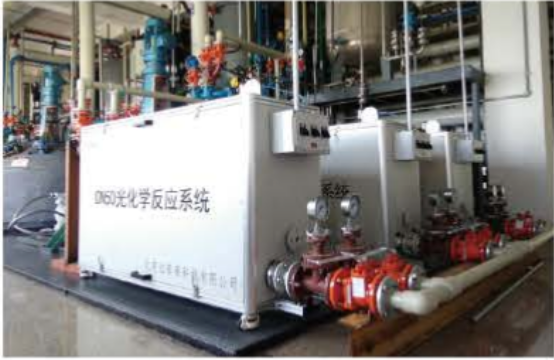
Product Description
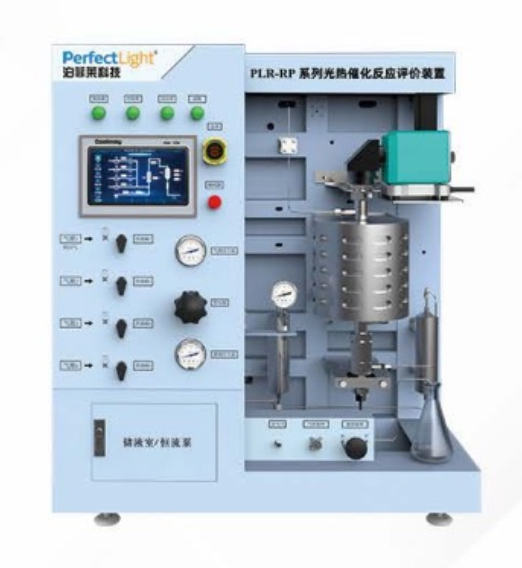
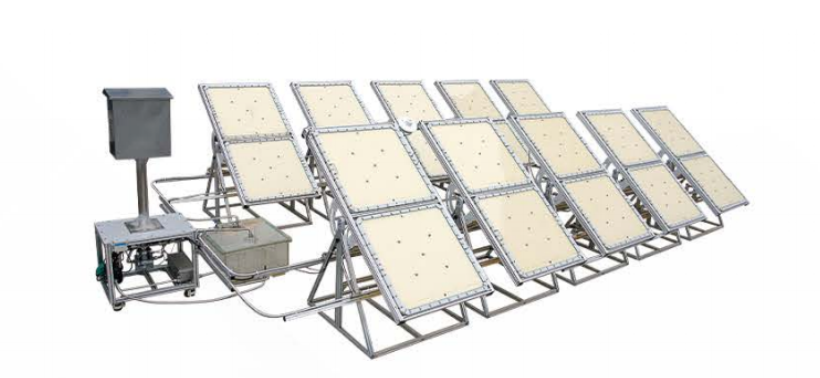
Developed to meet higher-level productionneeds
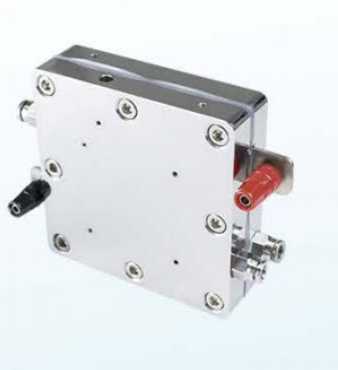
Having a larger reaction pipe diameter anda longer reaction pipeline
The reaction time ofinternal light reaction is longer and the reaction is moreuniformImproving the yield and selection of target products
Currently serving in a listed pharmaceutical company
AI Product Description
*The following content is generated by AI and is for reference only.
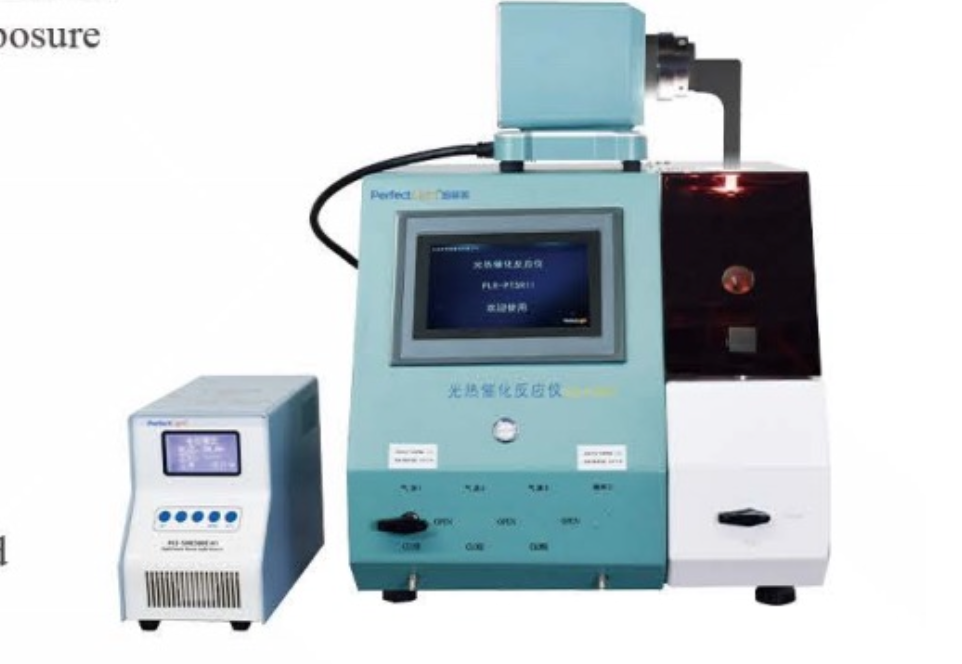
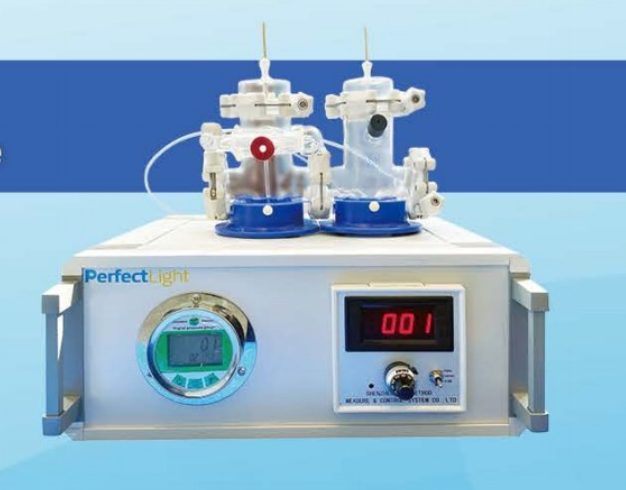
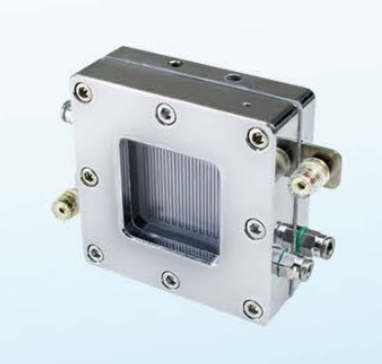
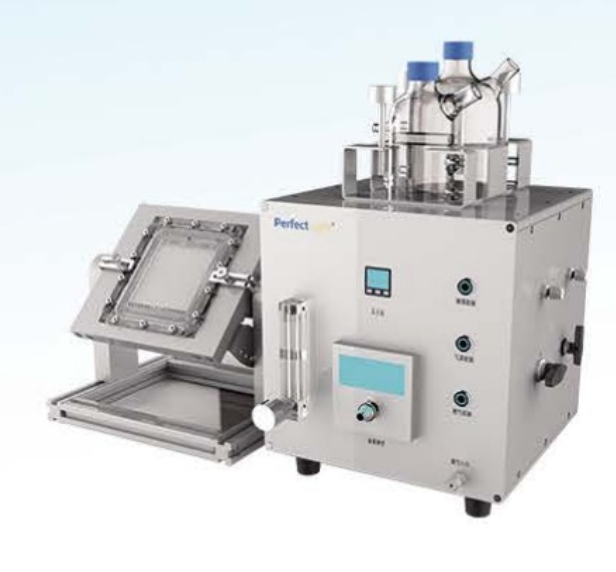
The product in question is a high-performance photochemical reaction system designed for advanced laboratory applications involving light-driven chemical processes. Typically featuring a robust DN50 flange interface, this unit integrates precision optics with controlled illumination to facilitate efficient photocatalysis, organic synthesis, and environmental degradation studies. Its primary purpose is to provide a stable, reproducible environment where specific wavelengths of light can initiate or accelerate chemical reactions without thermal interference. Researchers utilize such systems to investigate reaction kinetics, optimize catalyst performance, and develop sustainable green chemistry protocols under strictly regulated conditions.
Key operational features often include adjustable irradiation intensity, precise temperature control mechanisms, and customizable wavelength selection to match various photoreactive requirements. The design ensures uniform light distribution across the reaction vessel, minimizing hot spots and ensuring consistent experimental outcomes. Safety is paramount in these systems; users must adhere to strict guidelines regarding UV exposure, as intense light sources can cause severe eye damage or skin burns. Proper shielding and personal protective equipment, including safety goggles and gloves, are mandatory during operation. Additionally, the system requires careful handling of reactive chemicals and solvents, which may be volatile or sensitive to light. Regular maintenance of optical components is essential to prevent dust accumulation that could alter light transmission efficiency. Cooling systems should be monitored continuously to prevent overheating, which might compromise reaction integrity or damage internal electronics. Before initiating any experiment, it is crucial to verify all connections and ensure the reaction chamber is securely sealed to prevent leaks. Training on emergency shutdown procedures and proper waste disposal of photo-reactive byproducts is also recommended. This versatile platform serves as an indispensable tool for academic research and industrial development, enabling scientists to explore novel photochemical pathways with confidence and precision while maintaining the highest standards of laboratory safety and efficiency.





 (All Rights Reserved)