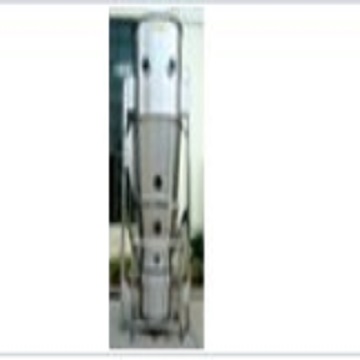
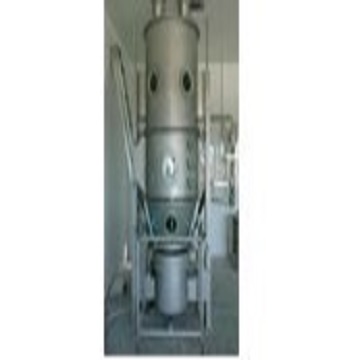
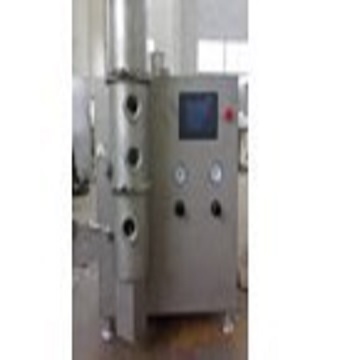
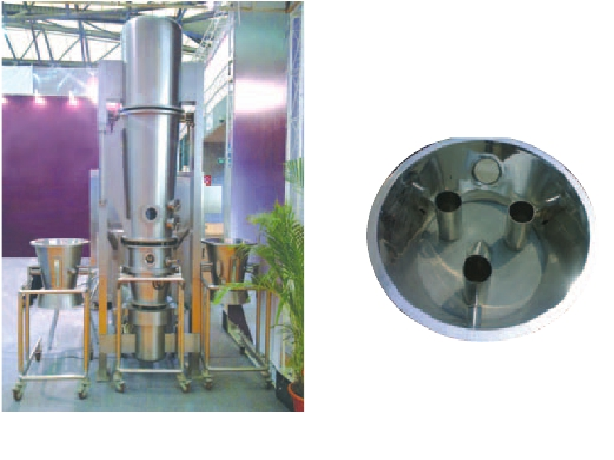
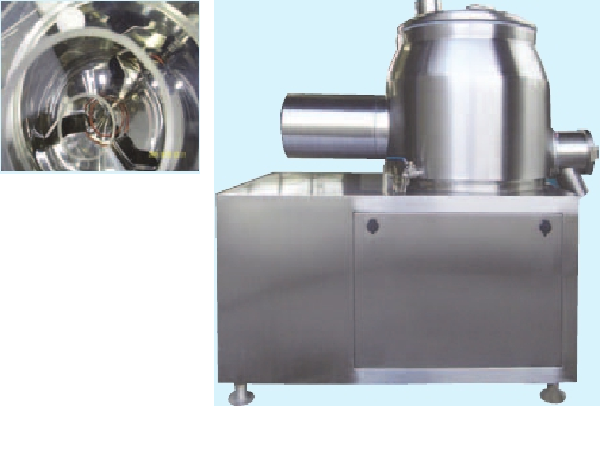
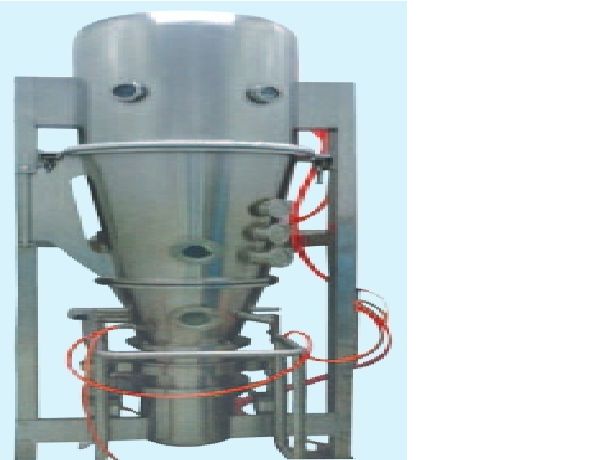
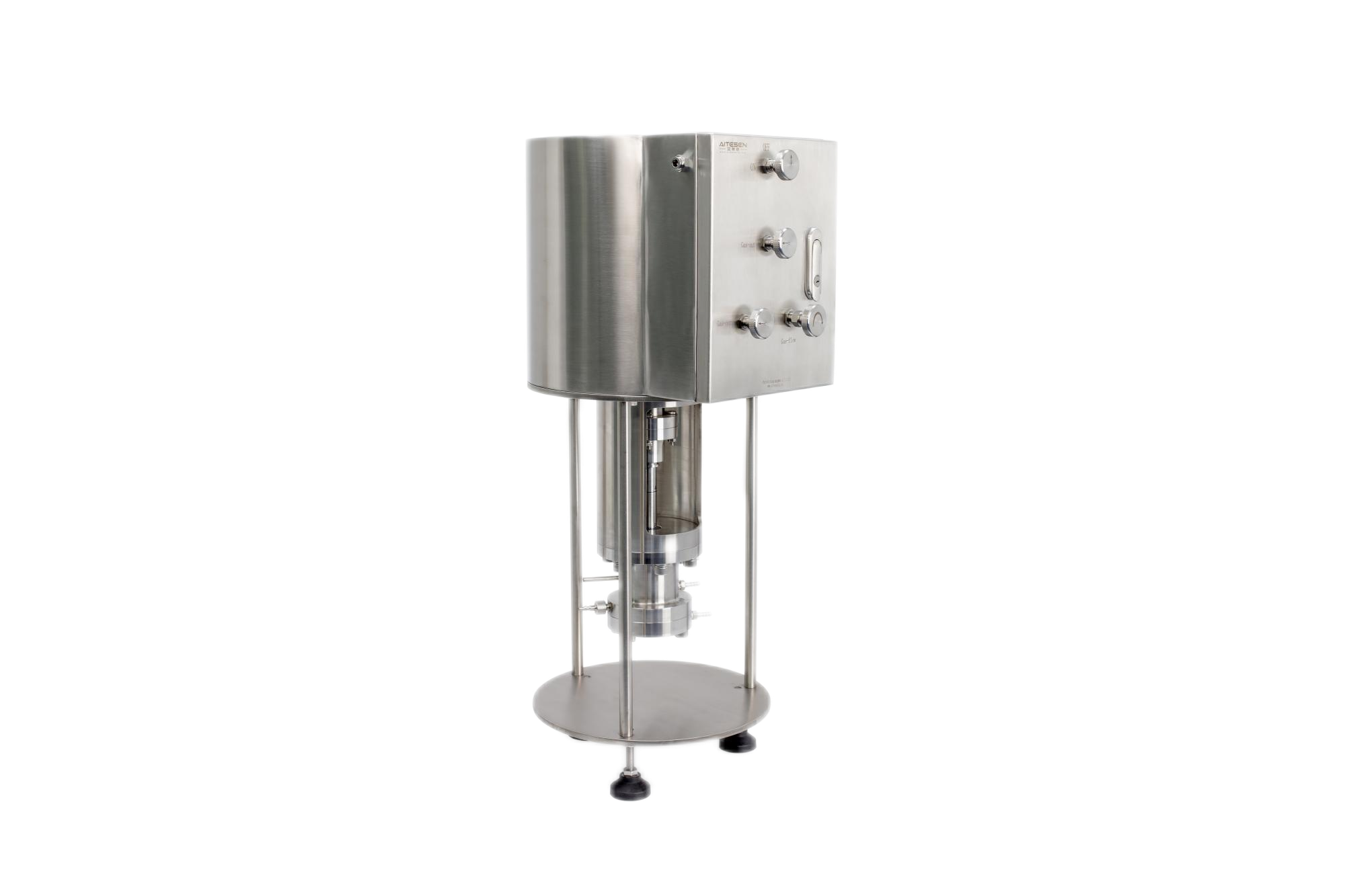
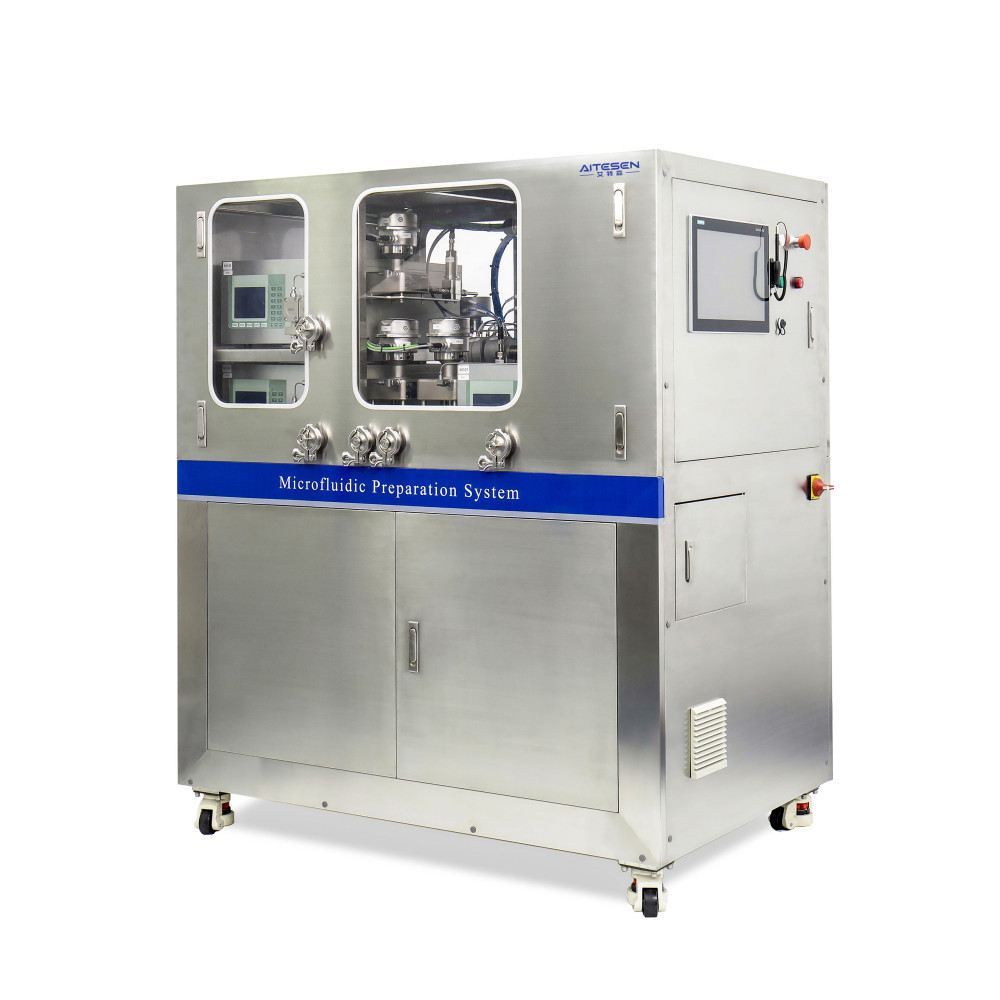
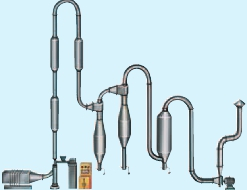
Air stream drying is also called instantaneous drying.It is used in pharmaceutocal industry,chemical industry from 1960 at home.Our factory follows up the
advanced technology at abroad,produce series air stream dryer for home customer.The main products are divided into three series:QG,FG and GFF.
*The following content is generated by AI and is for reference only.
The product in question is a specialized industrial air stream dryer, widely utilized across manufacturing sectors such as plastics processing, food dehydration, and chemical production. Its primary function is to remove moisture from granular materials or gases by passing them through a heated, high-velocity airflow. This process ensures that the final product meets strict quality standards regarding weight, dimensional stability, and mechanical properties, which are often compromised by residual humidity. Unlike traditional static dryers, this system utilizes a continuous flow mechanism, offering superior energy efficiency and faster cycle times for high-volume operations.
When operating this equipment, several critical precautions must be observed to ensure safety and optimal performance. First, proper grounding and electrical compliance are mandatory to prevent hazards associated with high-voltage heating elements. Operators should never bypass safety interlocks or attempt to service the unit while it is energized or at elevated temperatures. Adequate ventilation is essential around the intake and exhaust points to prevent heat buildup and ensure consistent airflow dynamics. Furthermore, the material being dried must be compatible with the maximum operating temperature; introducing flammable substances without appropriate explosion-proof modifications can lead to catastrophic failure.
Regular maintenance is vital for longevity. Filters should be inspected frequently to prevent clogging, which restricts airflow and causes overheating. Heating elements and fans require periodic checks to verify they are functioning within specified parameters. It is also crucial to monitor inlet air conditions, as excessive dust or oil contamination can degrade the drying medium and damage internal components. By adhering to these operational guidelines and maintaining a disciplined schedule for inspection and cleaning, facilities can maximize throughput while minimizing downtime. Ultimately, this technology serves as a cornerstone for efficient material preparation, ensuring that downstream processes receive consistently dry and reliable inputs for high-quality end products.





 (All Rights Reserved)