Product Description
| Product Name: | 5-Hydroxypyrazolo[1,5-a]pyrimidine |
| Synonyms: | 5-Hydroxypyrazolo[1,5-a]pyrimidine;Pyrazolo[1,5-a]pyrimidin-5-ol;4H,5H-pyrazolo[1,5-a]pyriMidin-5-one;1H-pyrazolo[1,5-a]pyrimidin-5-one;pyrazolo[1,5-a]pyrimidin-5(4H)-one(WXC06578);pyrazoloapyrimidinone;Larotrectinib Impurity 6(Larotrectinib PPO Impurity);4H,5H-pyrazolo |
| CAS: | 29274-22-4 |
| MF: | C6H5N3O |
| MW: | 135.12 |
| EINECS: | |
| Product Categories: | |
| Mol File: | 29274-22-4.mol |
![5-Hydroxypyrazolo[1,5-a]pyrimidine Structure](https://www.chemicalbook.com/CAS/GIF/29274-22-4.gif) |
AI Product Description
*The following content is generated by AI and is for reference only.
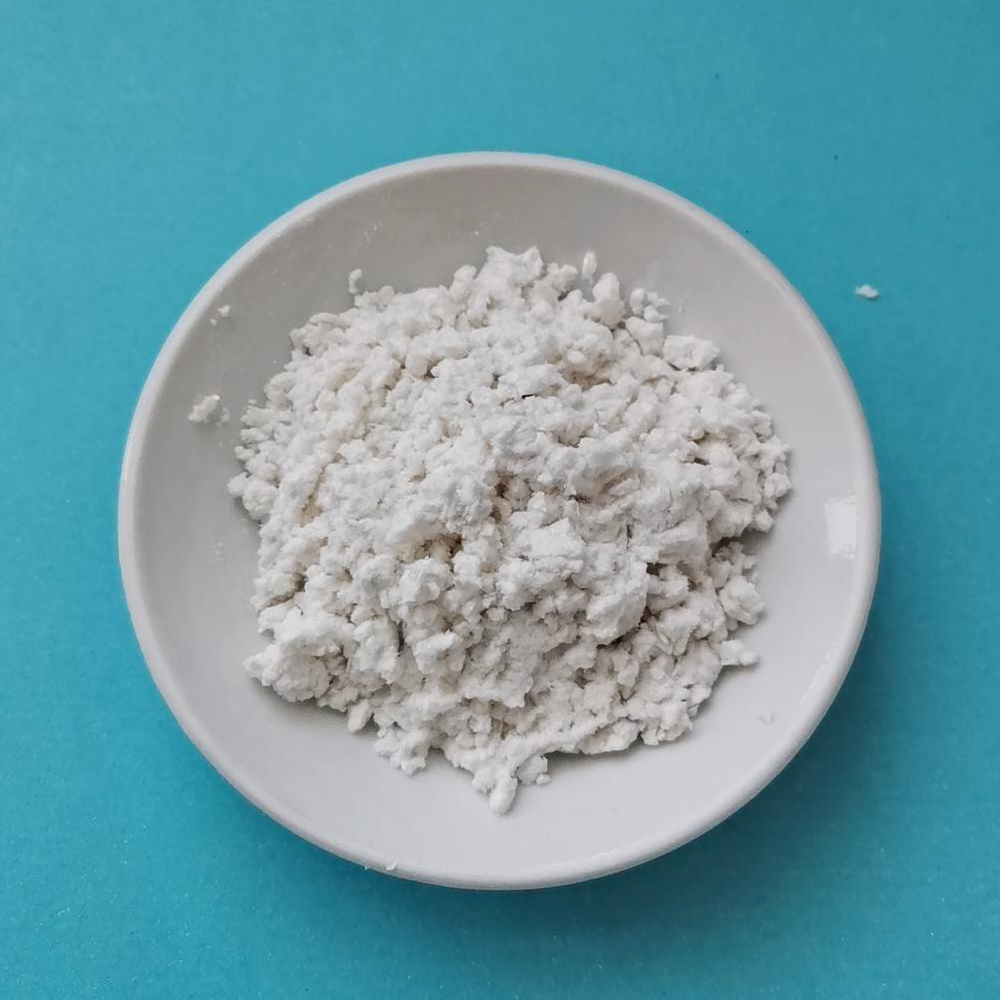
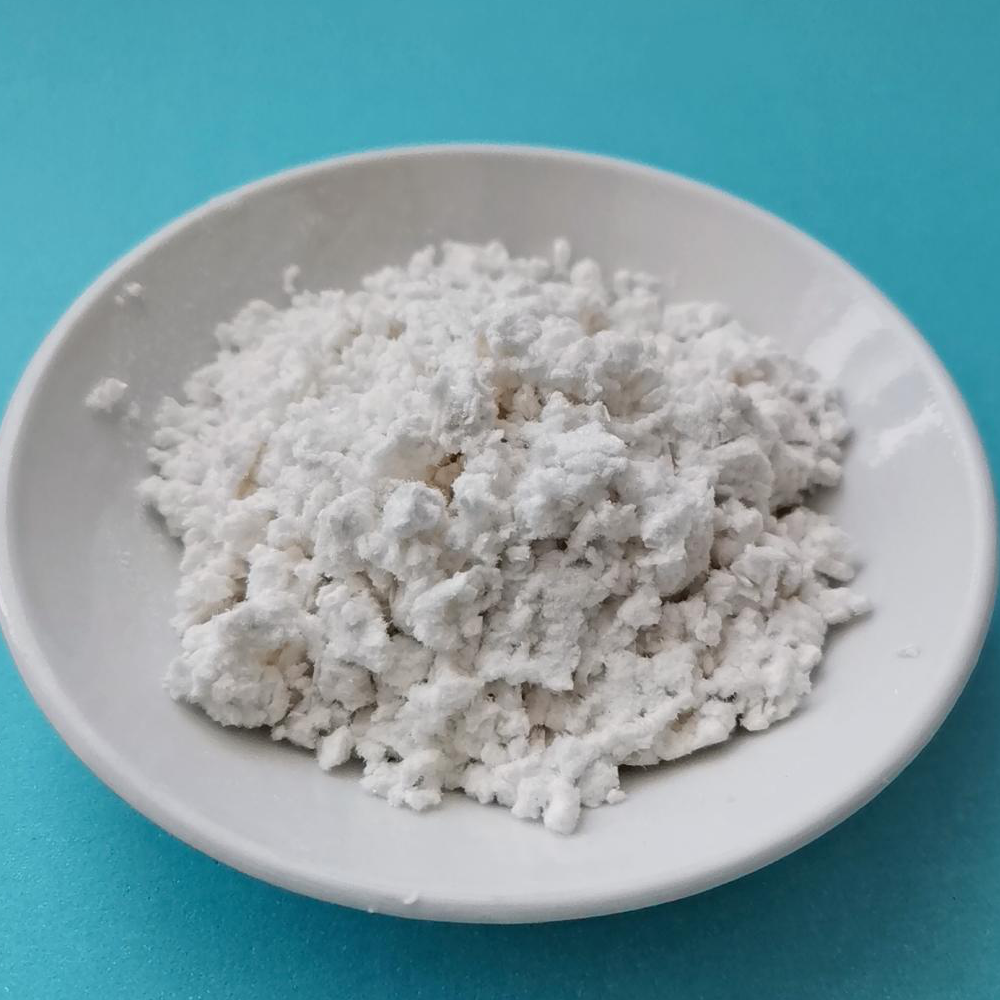
Pyrazolo[1,5-a]pyrimidin-5(4H)-one is a significant heterocyclic compound belonging to the fused pyrazolo-pyrimidine class. With the molecular formula C6H6N4O and a molecular weight of approximately 150.14 g/mol, this structure features a unique fusion between a pyrazole and a pyrimidine ring, offering distinct electronic properties that are highly valued in medicinal chemistry. The Compound typically carries the CAS Registry Number 2932-87-0, which serves as its unique identifier for chemical databases and regulatory compliance.
The primary utility of Pyrazolo[1,5-a]pyrimidin-5(4H)-one lies in its role as a versatile scaffold for drug discovery and development. Due to its rigid bicyclic framework, it acts as an excellent starting material for synthesizing complex derivatives with enhanced biological activities. Researchers frequently modify this core structure to target specific enzymes and receptors, particularly those involved in kinase signaling pathways. Consequently, derivatives of this molecule have demonstrated promising potential as anti-cancer agents, anti-inflammatory drugs, and antimicrobial therapeutics. In academic research, it is extensively utilized to investigate structure-activity relationships (SAR), helping scientists optimize lead compounds for higher potency and selectivity.
Beyond pharmaceutical applications, this heterocycle finds use in materials science, specifically in the design of organic semiconductors and fluorescent probes. Its ability to participate in various chemical reactions, such as alkylation, acylation, and condensation, allows for the creation of diverse functional materials. The compound is generally handled under standard laboratory safety protocols, requiring protection from moisture and strong oxidizers to maintain stability. While not commonly found in nature, its synthetic accessibility makes it a staple in organic synthesis laboratories worldwide. As research into targeted therapies expands, the importance of pyrazolo[1,5-a]pyrimidine-based scaffolds continues to grow, positioning them at the forefront of modern heterocyclic chemistry and therapeutic innovation.

![Pyrazolo[1,5-a]pyrimidin-5(4h)-one](https://eimg.pharmasources.com/image/20230607/WqHtwOfVg9y96GZpuS0ND8oKlA7xChF1INKwEJrz.png)




 (All Rights Reserved)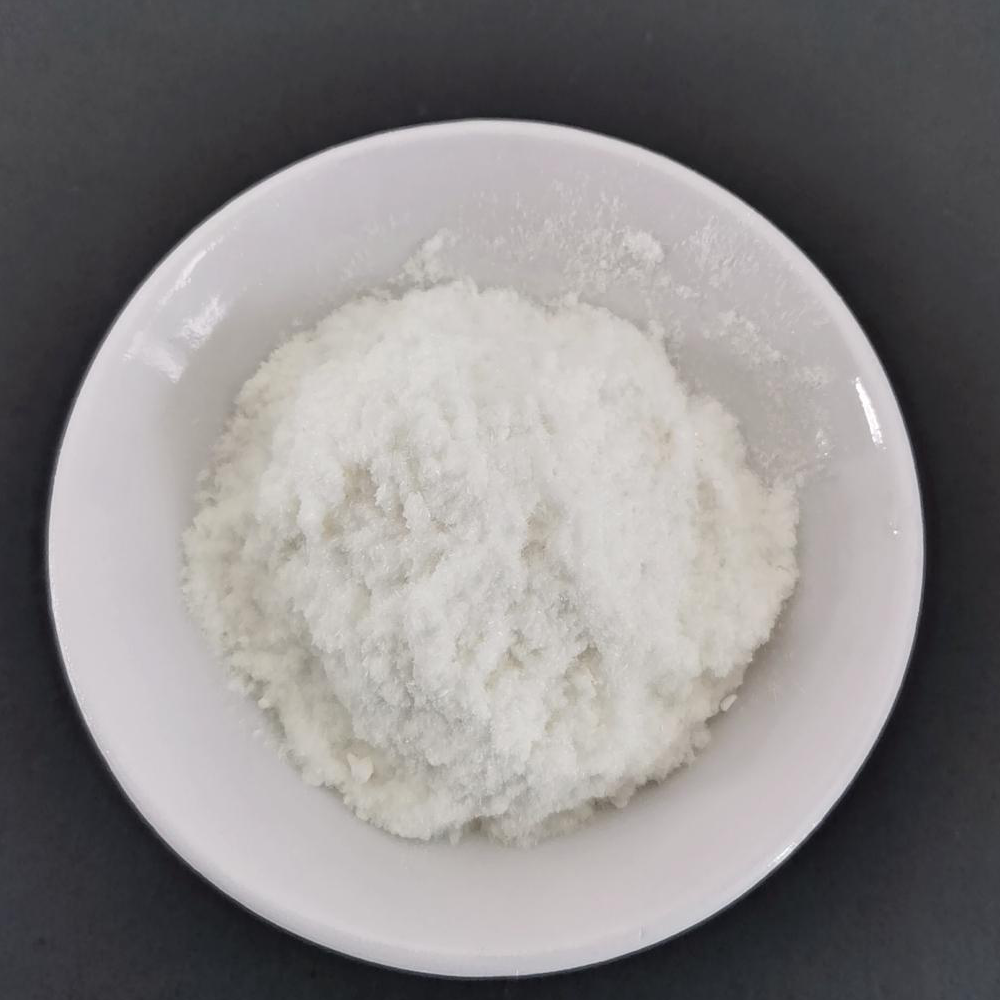
![1H-PYRROLO[2,3-B]PYRIDIN-5-OL](https://eimg.pharmasources.com/image/20230609/BTCgNUK1yA6dpzNh5Wh3b0xntl1mpPGfWp4ubQRs.png)

![Diethyl-2-acetamido-2-(7-chloro-5-(2-fluorophenyl)-3H- benzo[e][1,4]diazepin-2-yl)malonate](https://eimg.pharmasources.com/image/20240603/kCK1tVKXvO7mdpLTBNii5x61NUulXBiqHBf6clcn.png)