Product Description
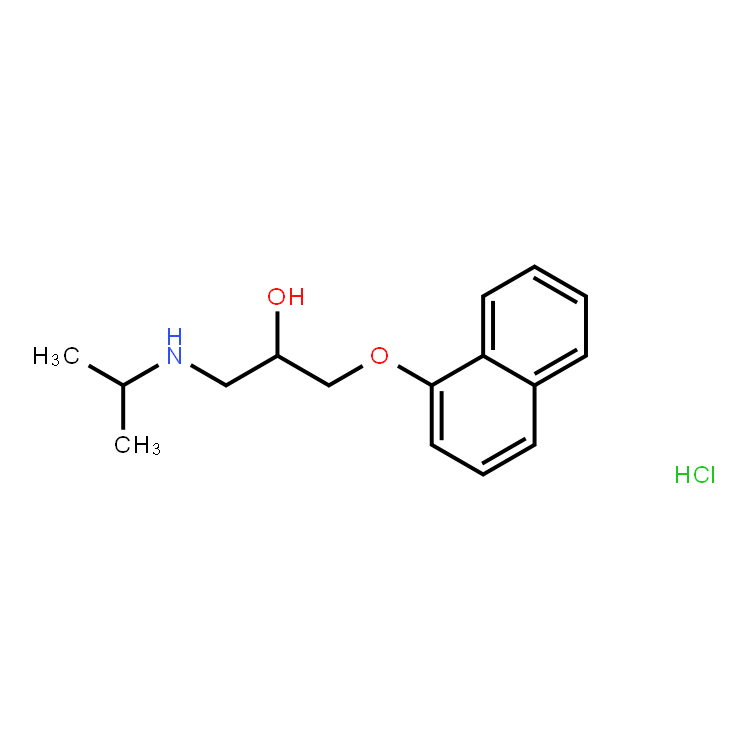
propranolol hydrochloride、318-98-9
AI Product Description
*The following content is generated by AI and is for reference only.
Propranolol hydrochloride is a widely utilized non-selective beta-adrenergic blocking agent, primarily employed in the management of cardiovascular disorders. With the molecular formula C16H20ClNO2 and the CAS Registry Number 318-98-7, this compound belongs to the class of arylalkoxypropanolamines. It functions by competitively inhibiting both beta-1 and beta-2 adrenergic receptors, thereby reducing heart rate, myocardial contractility, and cardiac output. This mechanism effectively lowers blood pressure and decreases the workload on the heart, making it a cornerstone therapy for hypertension, angina pectoris, and arrhythmias. Beyond its cardiovascular applications, propranolol hydrochloride is extensively prescribed for the prophylaxis of migraine headaches and the symptomatic control of essential tremor. Its efficacy extends to managing anxiety-related conditions, where it helps mitigate physical symptoms such as palpitations and sweating. The drug is also critical in the treatment of thyrotoxicosis and pheochromocytoma-associated hypertension, often used adjunctively with other agents. As a racemic mixture containing both enantiomers, the dextro-isomer is generally more potent than the levo-isomer regarding beta-blocking activity, though the hydrochloride salt form ensures high water solubility and bioavailability. Clinically, it is available in various formulations including immediate-release tablets, extended-release capsules, and oral solutions, allowing for flexible dosing regimens tailored to individual patient needs. While generally well-tolerated, common side effects may include fatigue, bradycardia, hypotension, and cold extremities due to peripheral vasoconstriction. Contraindications typically involve severe bradycardia, heart block, cardiogenic shock, and bronchial asthma, given its potential to induce bronchoconstriction via beta-2 blockade. Despite these considerations, propranolol hydrochloride remains a versatile and indispensable medication in modern pharmacotherapy, offering significant therapeutic benefits across a broad spectrum of medical conditions through its reliable hemodynamic modulation and anti-adrenergic properties.











 (All Rights Reserved)
![8-Oxa-1,3-diazaspiro[4.5]decane-2,4-dione](https://eimg.pharmasources.com/image/product/20250403/60fa7223d5a34f24138486ceea0ffb15jpg)
![6,8-Dioxo-5,7-diazaspiro[3.4]octane-2-carboxylic acid](https://eimg.pharmasources.com/image/product/20250403/02effeb5a7639bc84ff1f3add3c0c64fjpg)
![8,16-Diazadispiro[6.1.6.2]heptadecan-17-one](https://eimg.pharmasources.com/image/product/20250403/ca91cba8b87e53fc879f8d8764873a40jpg)