Product Description
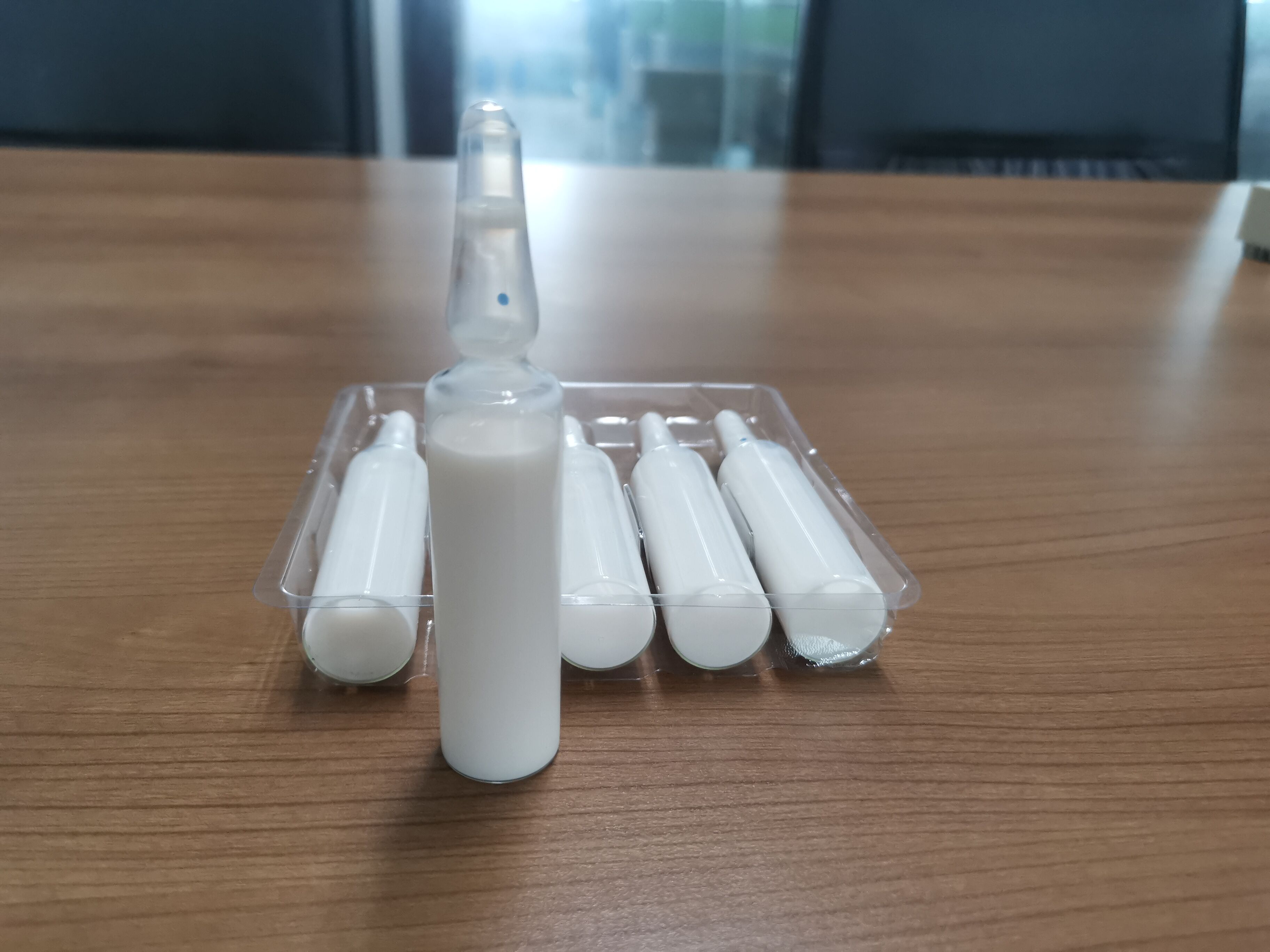
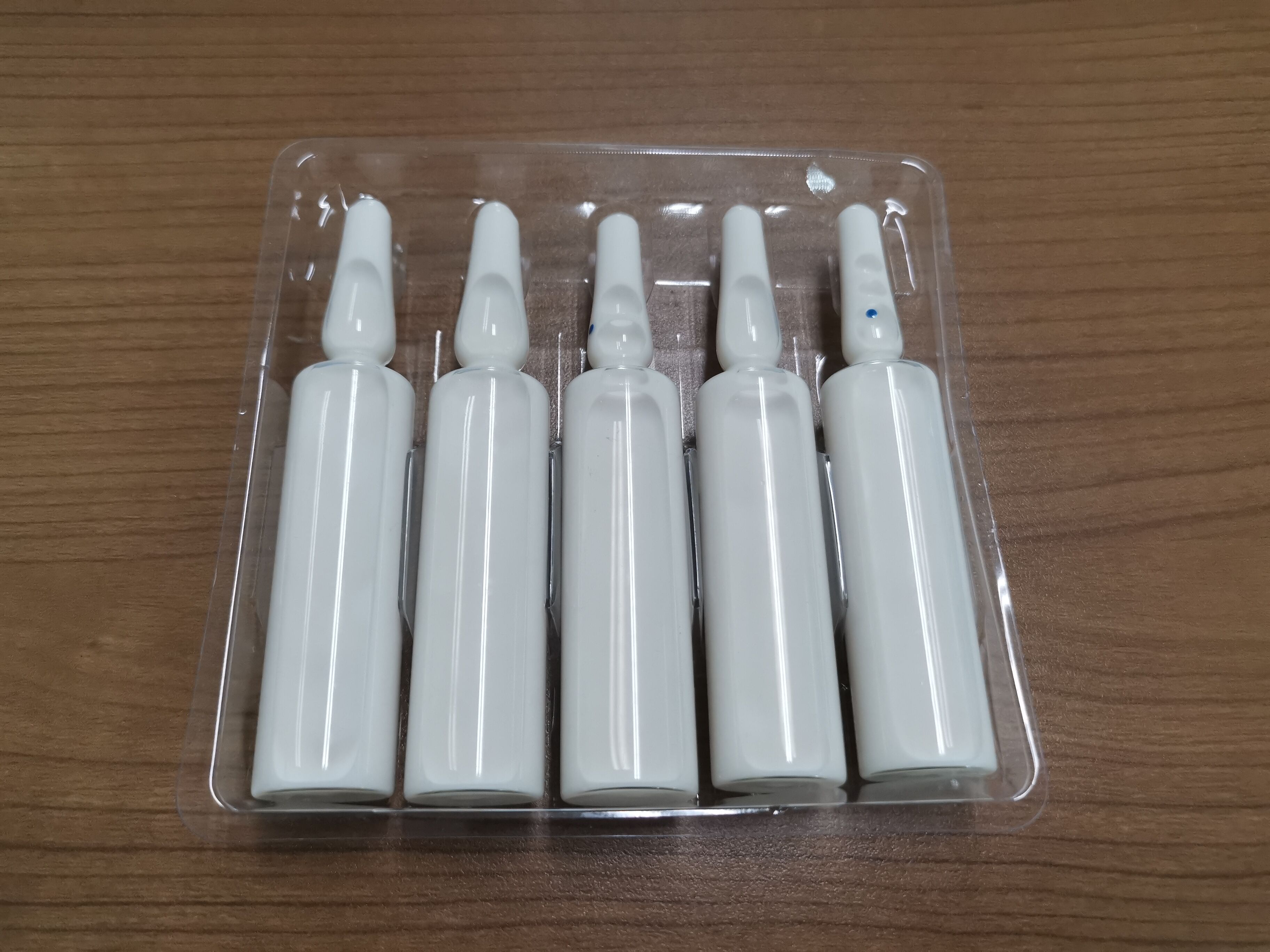
Propofol emulsion injection is an anesthetic drug, mainly used for induction and maintenance of general anesthesia, especially for short operations. The hypnotic effect usually occurs 40 seconds after intravenous administration of the therapeutic dose.It is often used in conjunction with epidural or spinal anesthesia, as well as with analgesics, muscle relaxants, and inhalation anesthetics, and is suitable for craniocerebral and eye surgery.
Specification: 20ml: 0.2g
AI Product Description
*The following content is generated by AI and is for reference only.
Propofol Injection is a potent, short-acting intravenous anesthetic agent widely utilized in clinical settings for the induction and maintenance of general anesthesia. Its primary mechanism involves enhancing the inhibitory effects of gamma-aminobutyric acid (GABA) on the central nervous system, resulting in rapid onset of sedation and hypnosis. Due to its quick recovery profile, it is frequently preferred for outpatient procedures, endoscopic examinations, and intensive care unit sedation where patients require prompt awakening after administration. The drug is also commonly employed for procedural sedation in emergency departments and operating rooms.
Despite its efficacy, Propofol Injection requires strict medical supervision due to significant safety considerations. A critical precaution is the risk of respiratory depression and apnea; therefore, healthcare providers must have immediate access to airway management equipment and resuscitation capabilities. Cardiovascular effects, such as hypotension and bradycardia, are common, particularly in elderly or hemodynamically unstable patients, necessitating careful monitoring of blood pressure and heart rate throughout the procedure.
Another vital concern is the potential for Propofol Infusion Syndrome (PRIS), a rare but life-threatening condition associated with prolonged high-dose infusions, characterized by metabolic acidosis, rhabdomyolysis, and cardiac failure. Consequently, infusion duration and dosage must be carefully managed. Allergic reactions, though uncommon, can occur, making patient history assessment essential prior to use. Furthermore, because the emulsion formulation supports bacterial growth, strict aseptic techniques during preparation and administration are mandatory to prevent sepsis. It is contraindicated in patients with known hypersensitivity to propofol or soybean oil, egg products, or glycerol. Clinicians must exercise extreme caution when administering this medication, ensuring that only qualified personnel trained in advanced airway management oversee the procedure to mitigate risks and ensure patient safety.