Product Description
AI Product Description
*The following content is generated by AI and is for reference only.
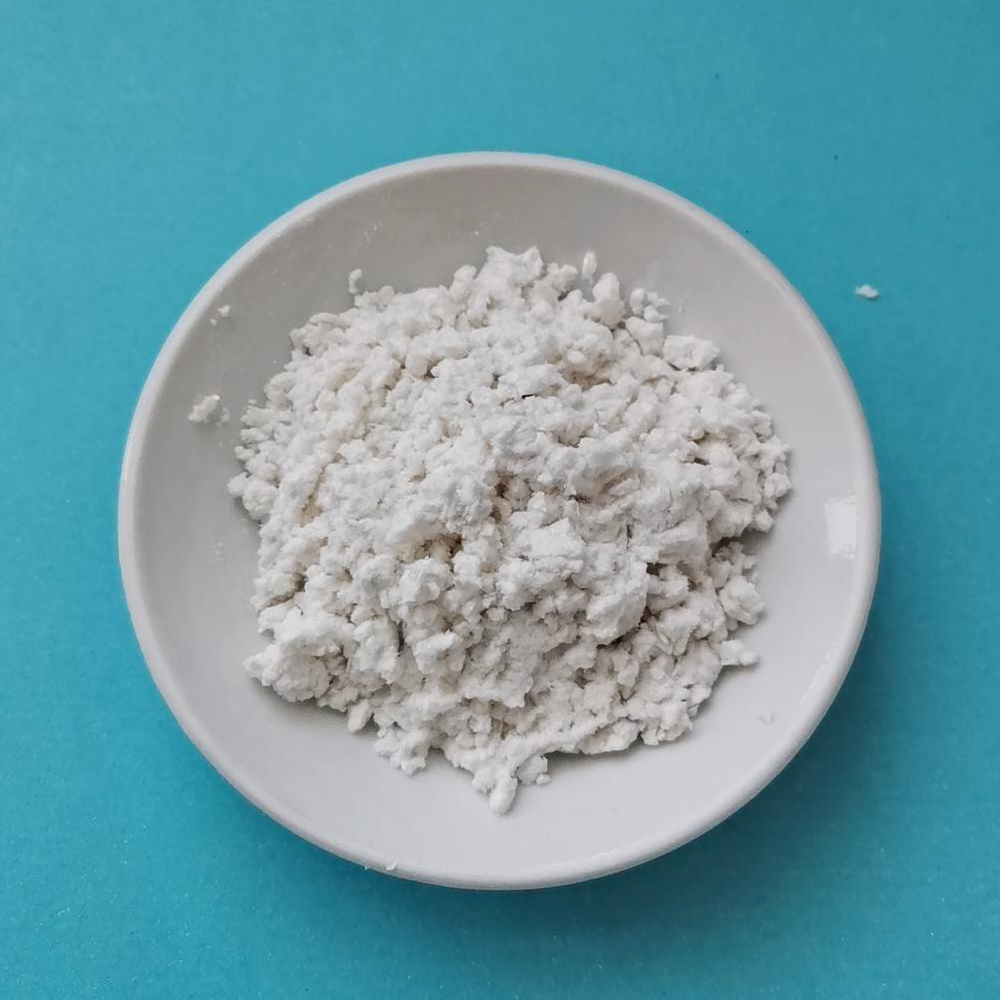
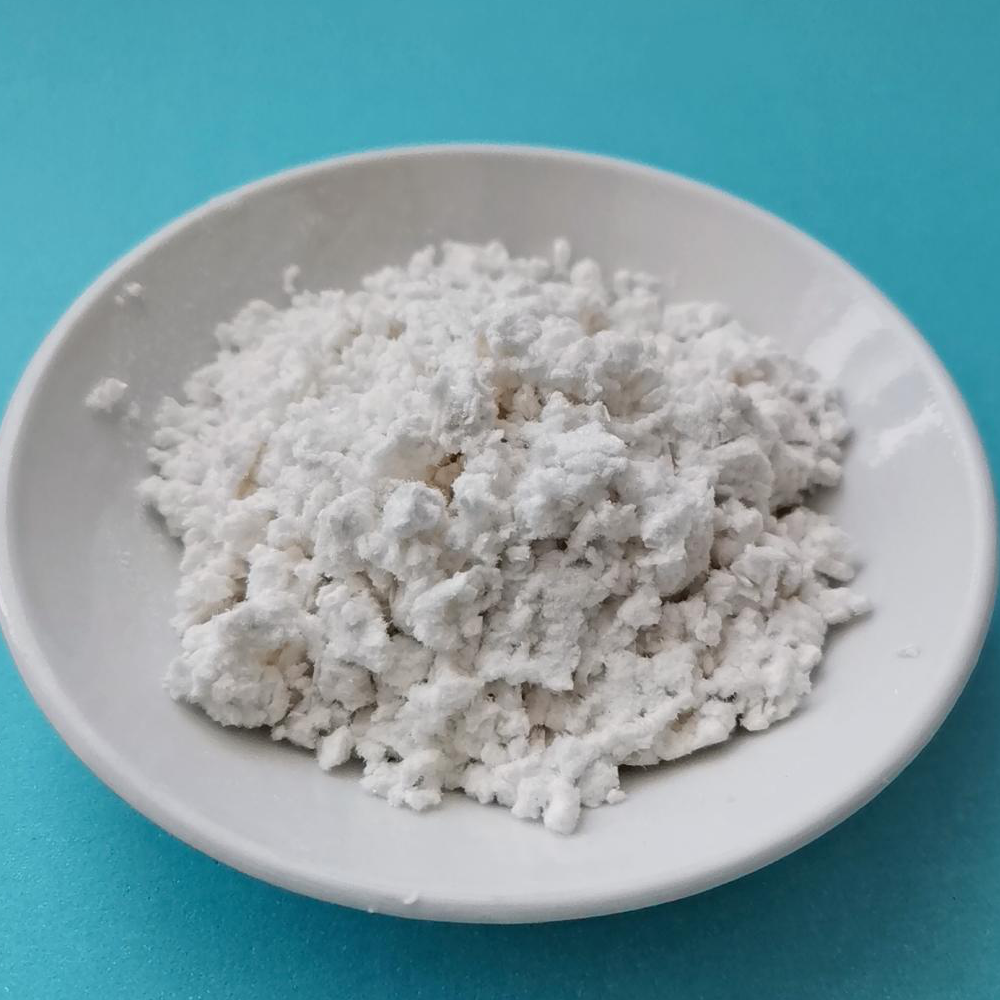
3-Bromo-N,N-dimethyl-2-oxopropanamide, chemically identified by CAS Registry Number 61740-58-5, is a specialized organic intermediate with significant potential in pharmaceutical and agrochemical research. Its molecular formula is C5H9BrN2O2, reflecting a structure that combines an amide functionality with a brominated ketone moiety. The molecule features a central carbonyl group adjacent to a bromine atom on the alpha carbon, flanked by a dimethylamino group, creating a highly reactive electrophilic center suitable for nucleophilic substitution or further functionalization reactions.
This compound serves primarily as a building block in the synthesis of complex heterocyclic systems. In medicinal chemistry, it is utilized to construct novel drug candidates targeting specific biological pathways, particularly those requiring precise stereochemical control or specific metabolic stability. The presence of the bromine atom allows for versatile cross-coupling reactions, such as Suzuki-Miyaura or Heck couplings, enabling the attachment of diverse aromatic or alkenyl fragments to generate libraries of bioactive molecules. Researchers often employ this reagent to develop inhibitors for enzymes involved in cancer progression or infectious diseases, leveraging its ability to form stable covalent bonds with active site residues.
In the agricultural sector, derivatives synthesized from this precursor may exhibit fungicidal or insecticidal properties, contributing to crop protection strategies. However, due to its reactive nature and the toxicity associated with organobromine compounds, handling requires strict adherence to safety protocols, including the use of personal protective equipment and fume hoods. Storage conditions must prevent decomposition, typically involving cool, dry environments away from incompatible oxidizing agents. While not a commodity chemical available in bulk quantities, 3-bromo-N,N-dimethyl-2-oxopropanamide remains a valuable tool for synthetic chemists aiming to advance the frontiers of molecular design. Its unique structural attributes facilitate the creation of sophisticated architectures that are otherwise difficult to access through conventional synthetic routes, making it an essential component in high-value specialty chemical manufacturing and academic exploration.






 (All Rights Reserved)
![1H-PYRROLO[2,3-B]PYRIDIN-5-OL](https://eimg.pharmasources.com/image/20230609/BTCgNUK1yA6dpzNh5Wh3b0xntl1mpPGfWp4ubQRs.png)

![Diethyl-2-acetamido-2-(7-chloro-5-(2-fluorophenyl)-3H- benzo[e][1,4]diazepin-2-yl)malonate](https://eimg.pharmasources.com/image/20240603/kCK1tVKXvO7mdpLTBNii5x61NUulXBiqHBf6clcn.png)
