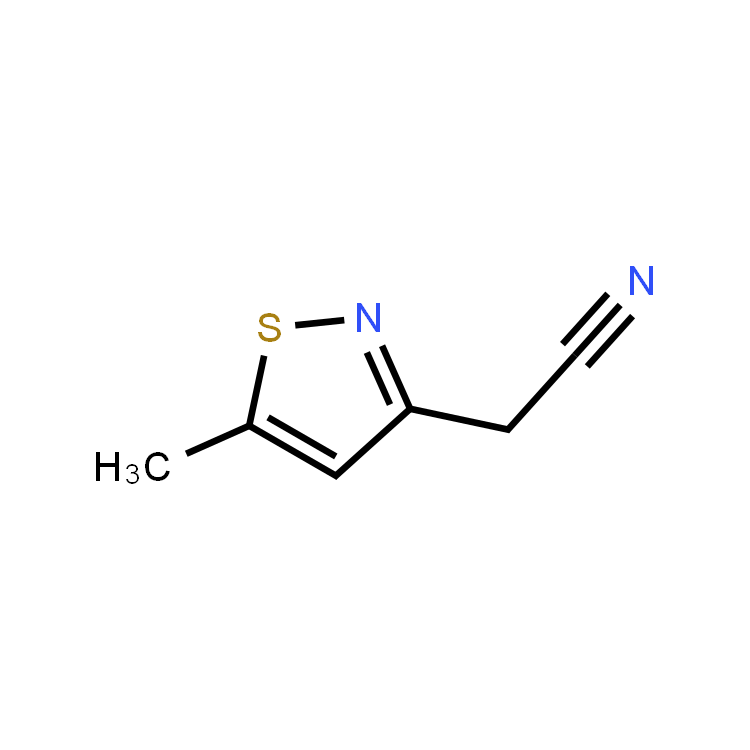
Product Description
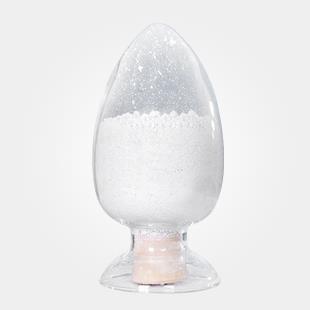
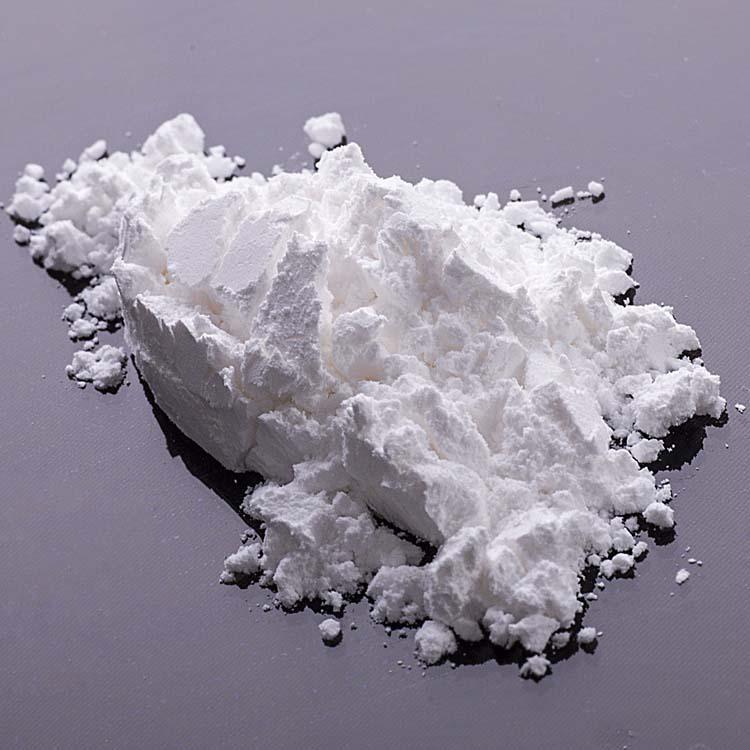
White crystalline powder;
Odourless and slightly bitter taste.
This product is slightly soluble in ethanol or, almost insoluble in water;
Dissolved in dilute sodium hydroxide solution, almost insoluble in dilute acid.
AI Product Description
*The following content is generated by AI and is for reference only.
Probenecid, chemically known as (2RS)-2-benzyl-4,5-diphenyl-1,3-dioxolane-4-carboxylic acid, is a pivotal pharmaceutical agent primarily utilized for its ability to modulate renal tubular secretion of organic acids. Its molecular formula is C20H22O4, and it is uniquely identified by the CAS number 57-66-9. Originally developed in the mid-20th century, Probenecid functions as a uricosuric agent, meaning it promotes the excretion of uric acid through the kidneys. This mechanism makes it an essential therapeutic tool in managing chronic gout and hyperuricemia, conditions characterized by elevated uric acid levels that can lead to painful joint inflammation and kidney stones. By inhibiting the reabsorption of urate in the proximal renal tubules, Probenecid effectively lowers serum uric acid concentrations, thereby preventing acute gouty attacks and facilitating the dissolution of existing tophi.
Beyond its primary application in rheumatology, Probenecid holds significant utility in clinical pharmacology as an adjuvant therapy. It was historically employed to prolong the duration and enhance the plasma concentration of beta-lactam antibiotics, such as penicillin, by blocking their renal elimination. Although newer antibiotics have reduced this specific use, Probenecid remains relevant in treating certain infections where high, sustained antibiotic levels are critical. Furthermore, research continues to explore its potential in protecting against neurotoxicity and treating drug-induced mitochondrial toxicity due to its interaction with organic anion transporters (OATs). Structurally, Probenecid acts as a competitive inhibitor of these transporters, which are responsible for moving various endogenous and exogenous compounds across cell membranes. The drug is typically administered orally in tablet form, with dosing adjusted based on individual patient response and renal function. While generally well-tolerated, side effects may include gastrointestinal distress, headache, or hypersensitivity reactions. As a cornerstone medication for decades, Probenecid continues to play a vital role in modern medicine, bridging traditional gout management with contemporary strategies for optimizing drug delivery and understanding transporter biology.





 (All Rights Reserved)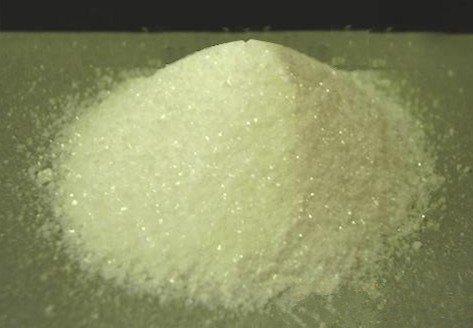


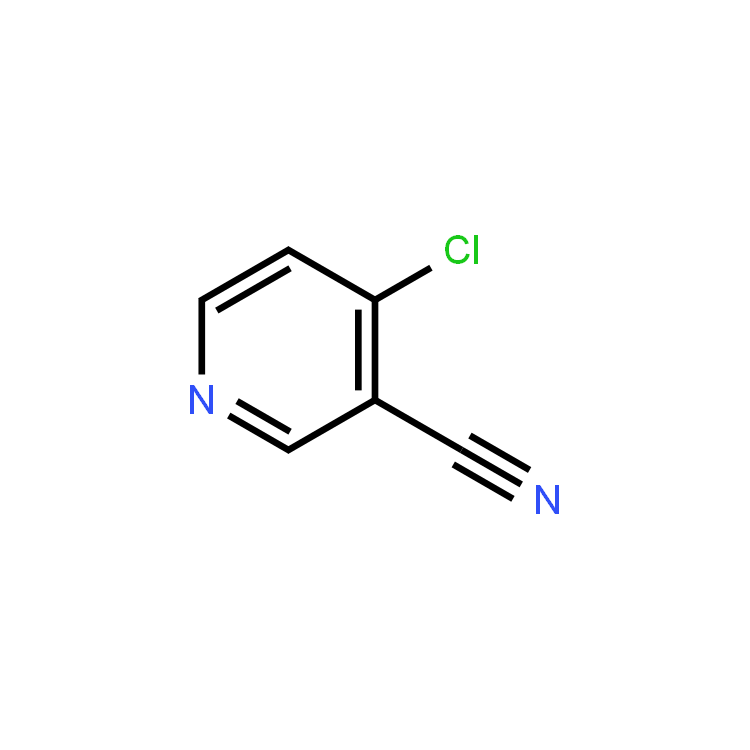
![8-Oxa-1,3-diazaspiro[4.5]decane-2,4-dione](https://eimg.pharmasources.com/image/product/20250403/60fa7223d5a34f24138486ceea0ffb15jpg)
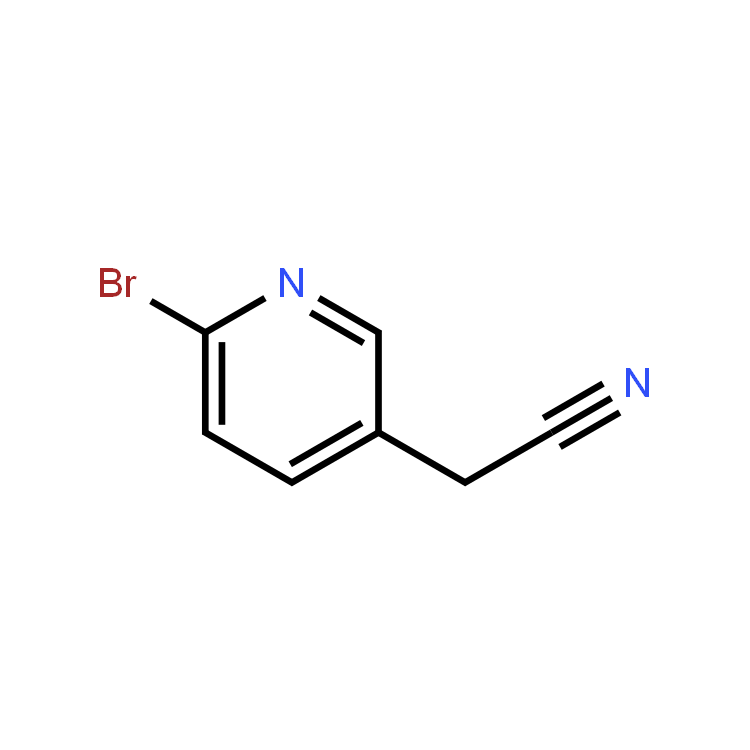
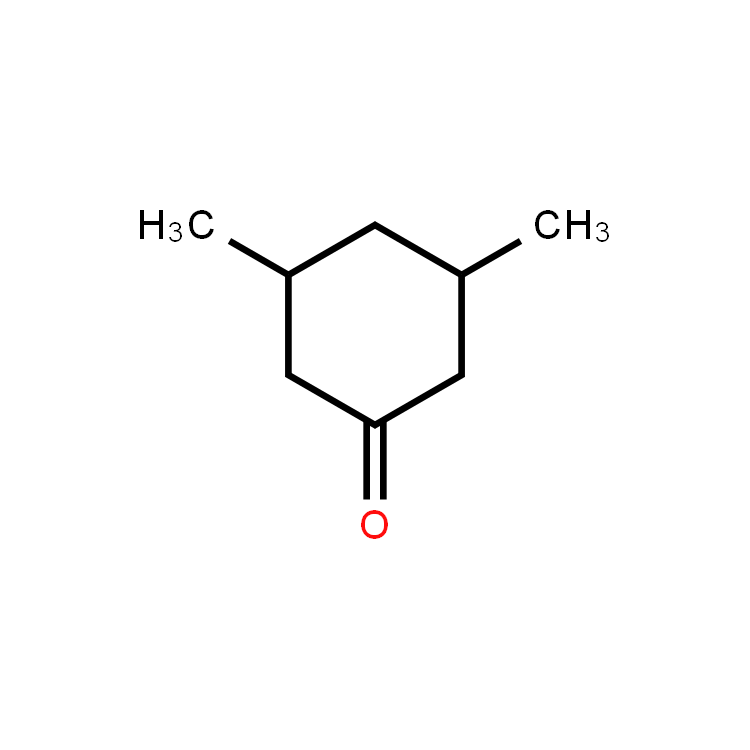
![8,16-Diazadispiro[6.1.6.2]heptadecan-17-one](https://eimg.pharmasources.com/image/product/20250403/ca91cba8b87e53fc879f8d8764873a40jpg)
![6,8-Dioxo-5,7-diazaspiro[3.4]octane-2-carboxylic acid](https://eimg.pharmasources.com/image/product/20250403/02effeb5a7639bc84ff1f3add3c0c64fjpg)