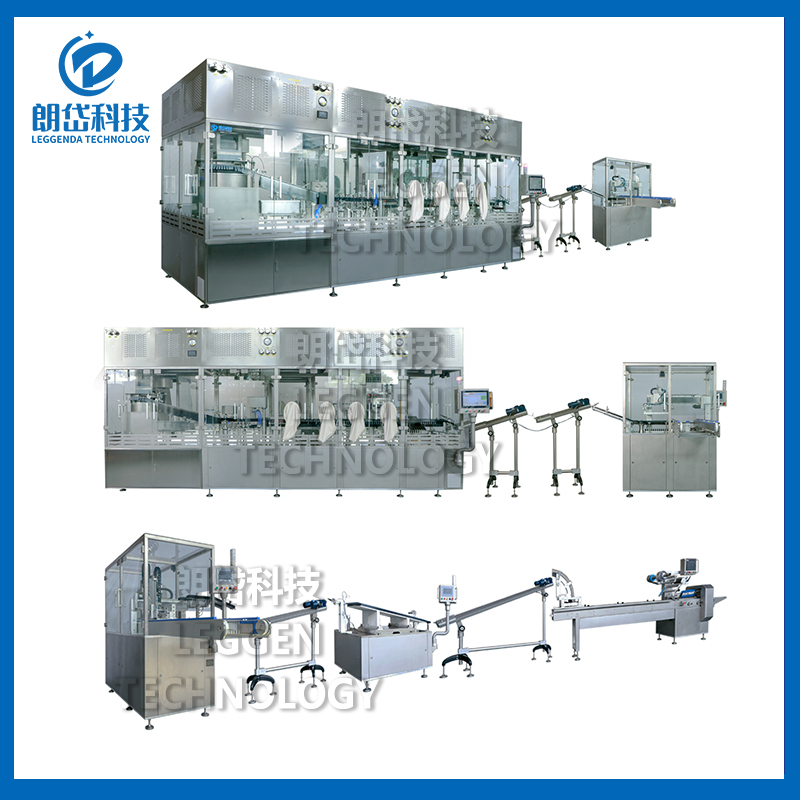
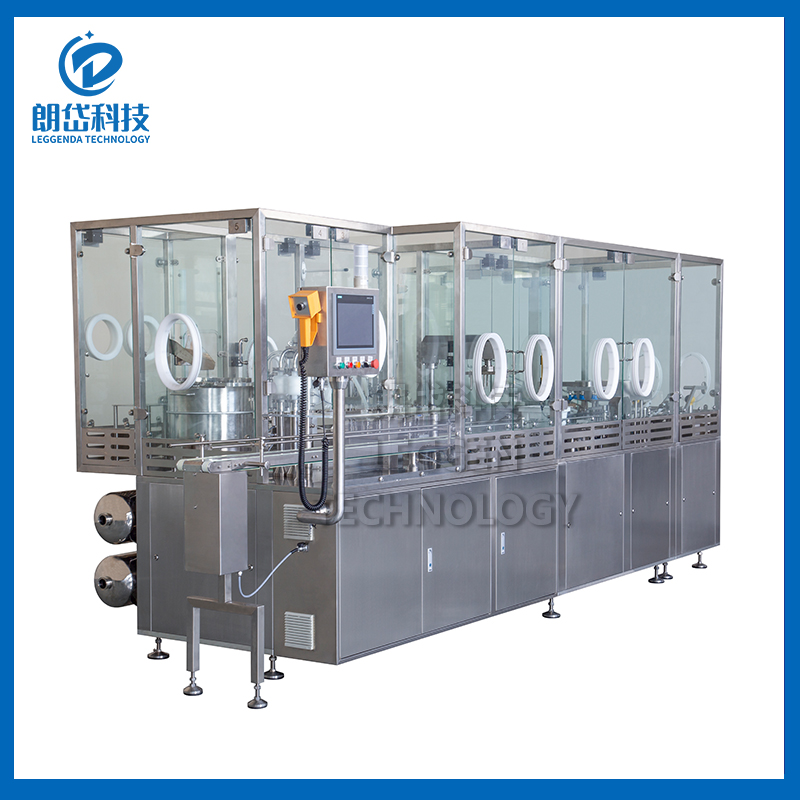
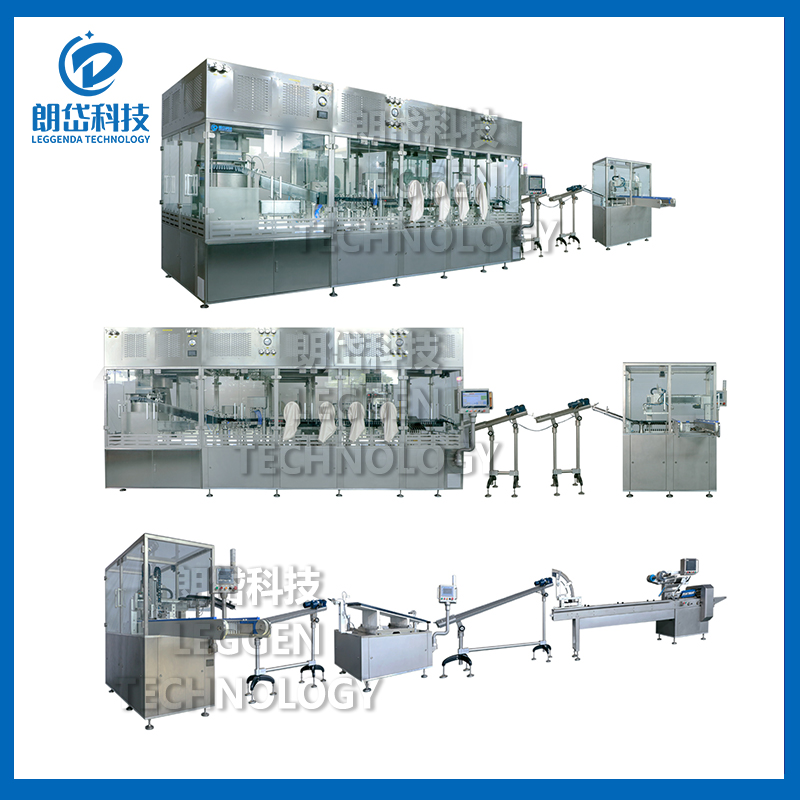
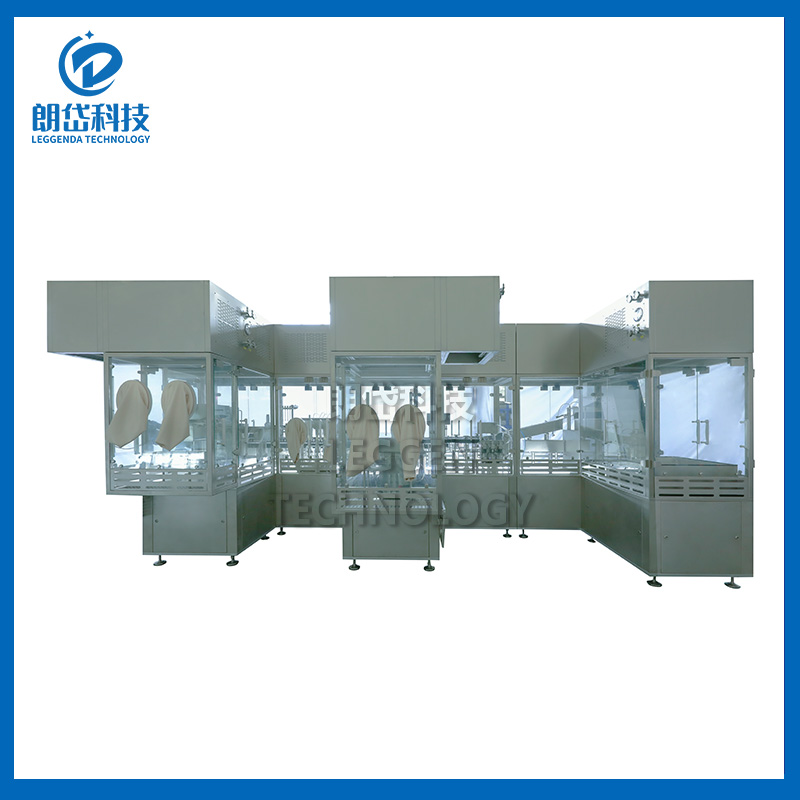
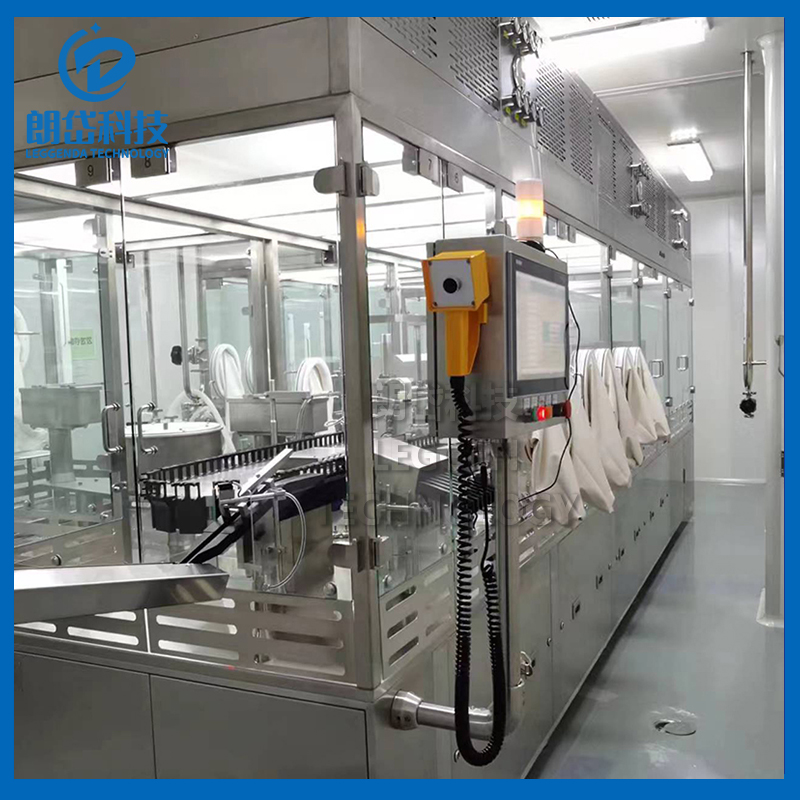
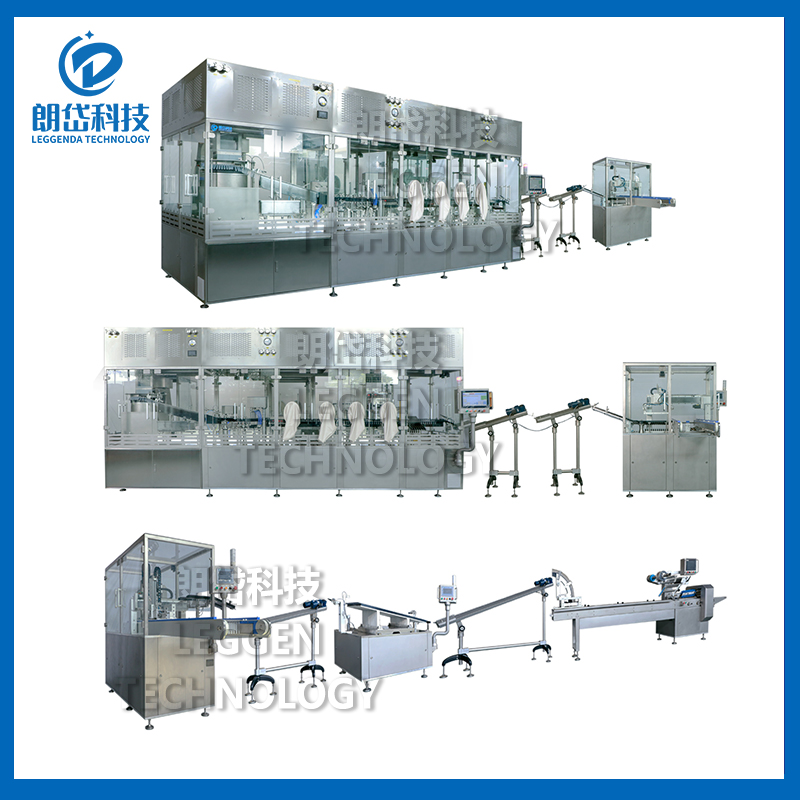
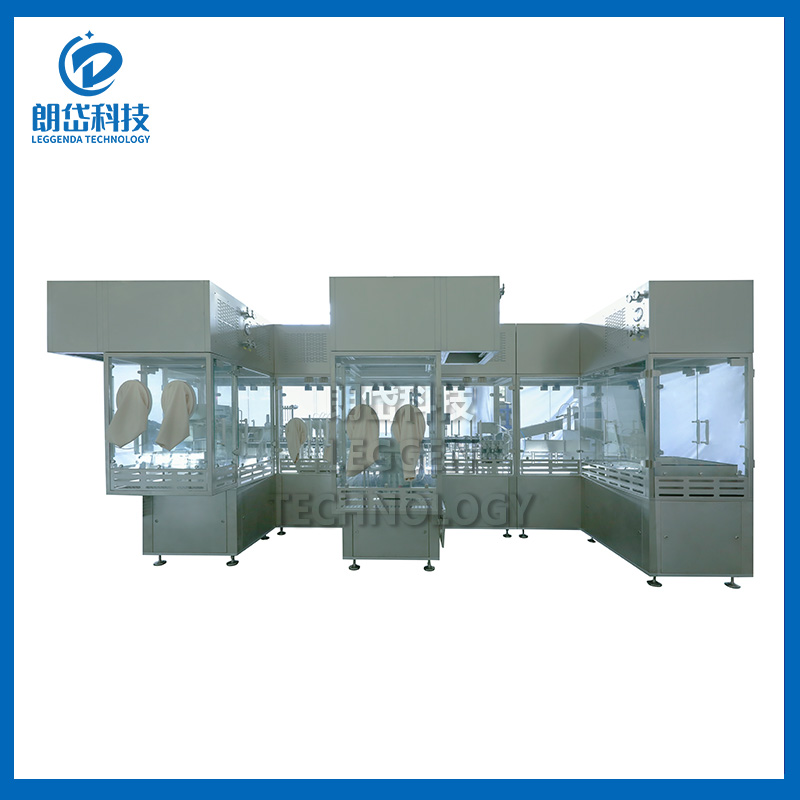
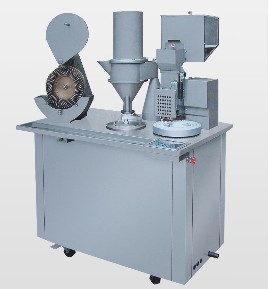
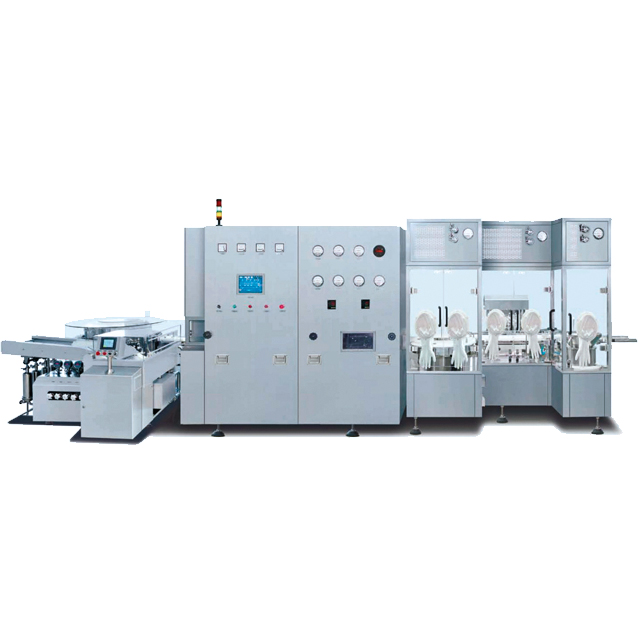
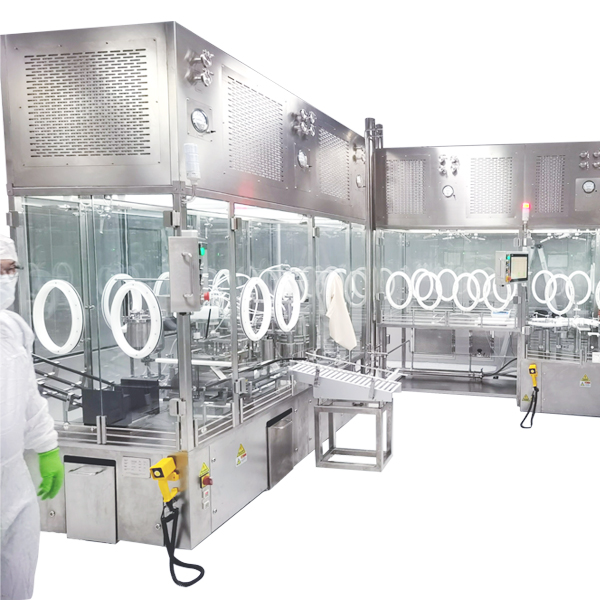
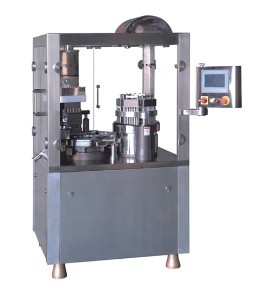
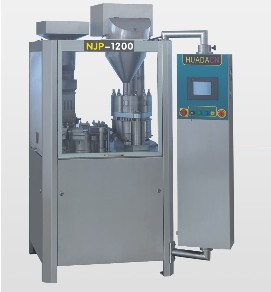
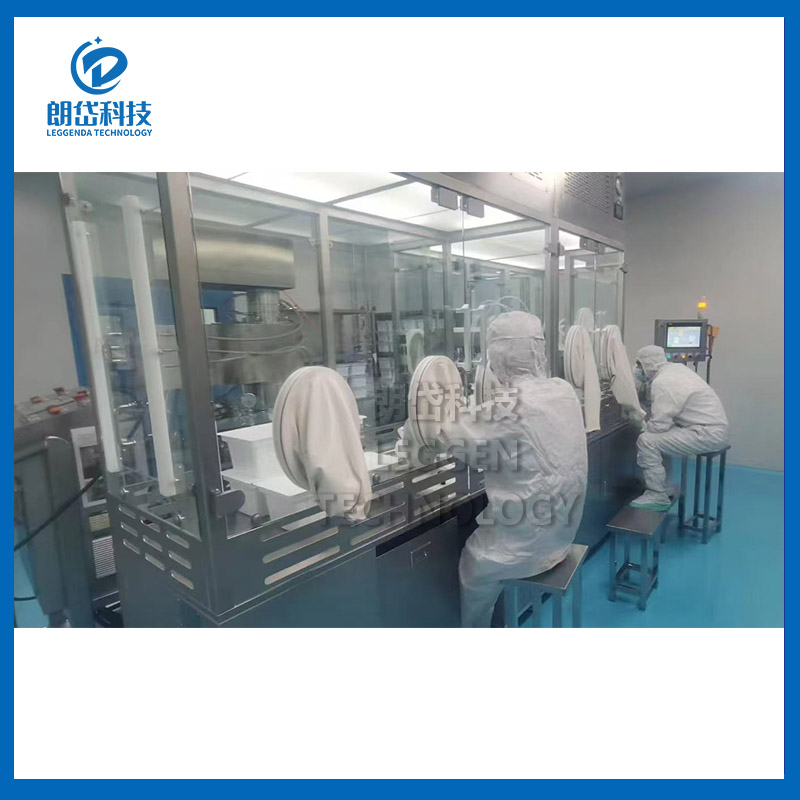
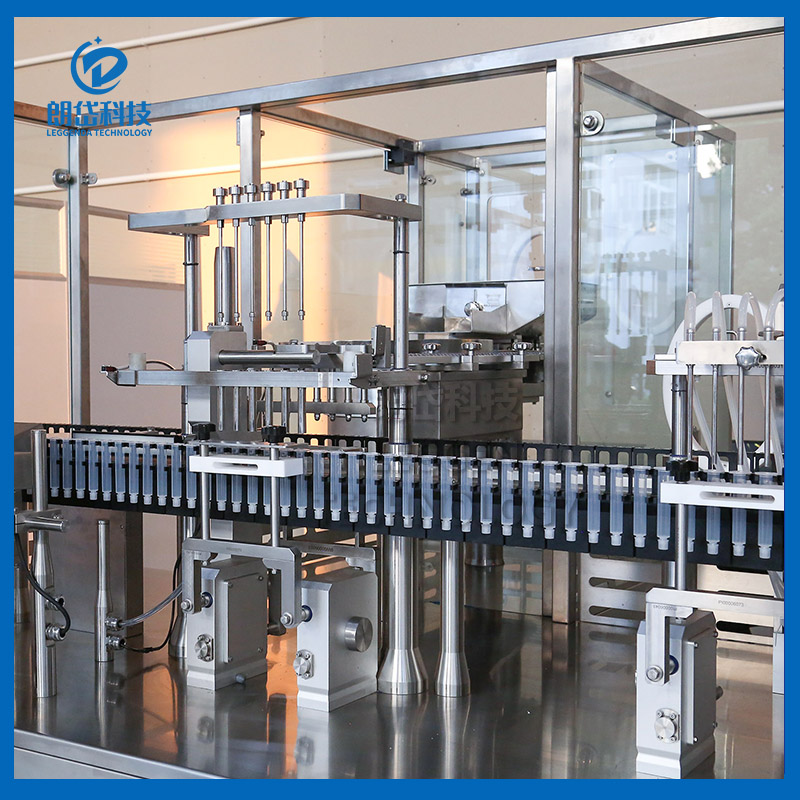
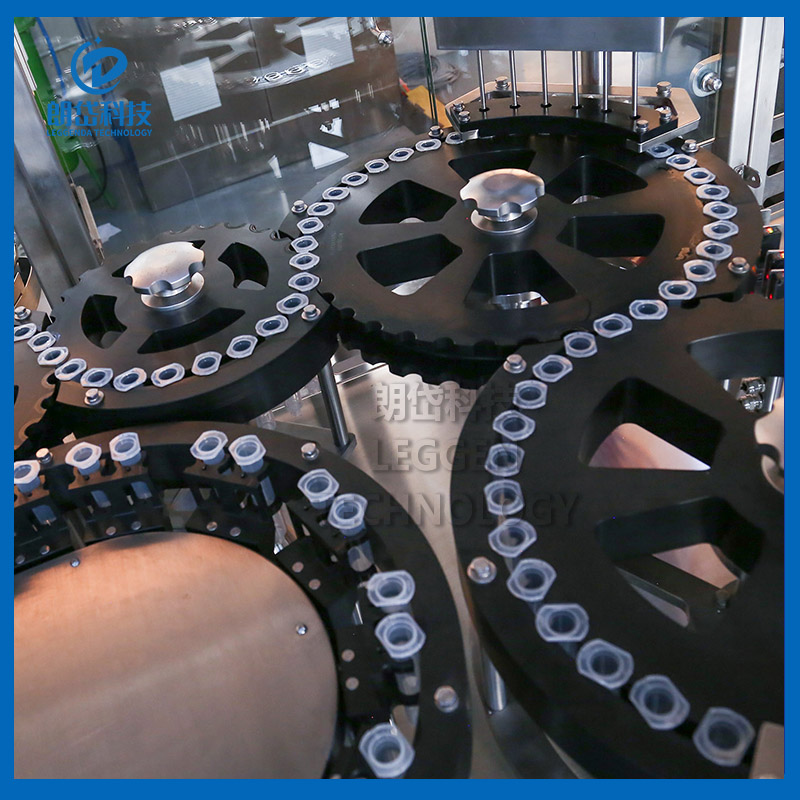
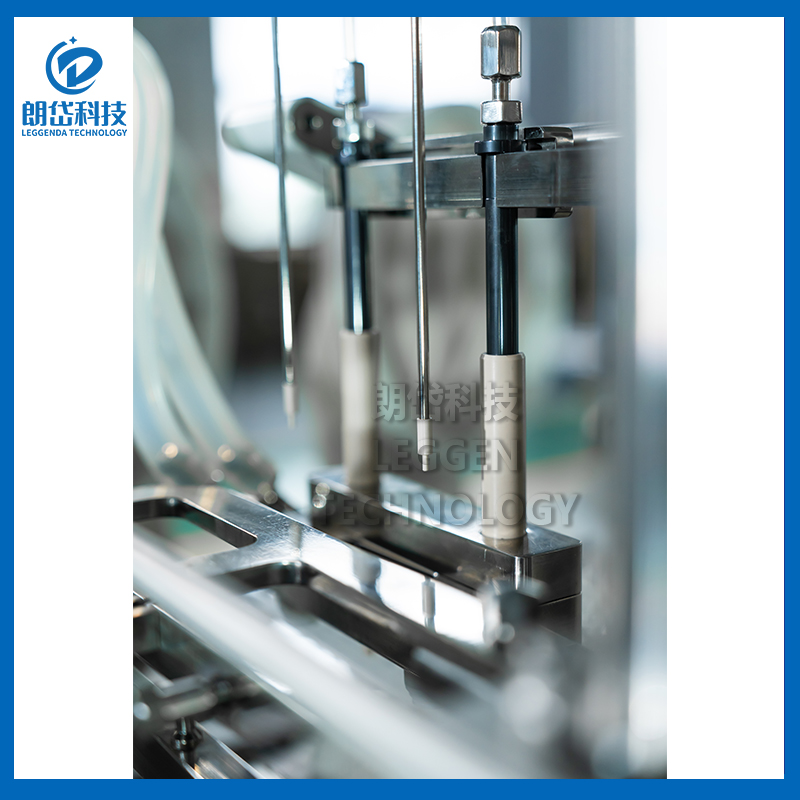
prefilling syringe machine is widely used,stable operation,reliable performance and reasonable design.And the equipment is easy to operate and has high filling accuracy.It is mainly used for filling quantitative high viscosity liquid in pharmaceutical,Aesthetic Medicine.It can be customized and adjusted according to customers' needs.
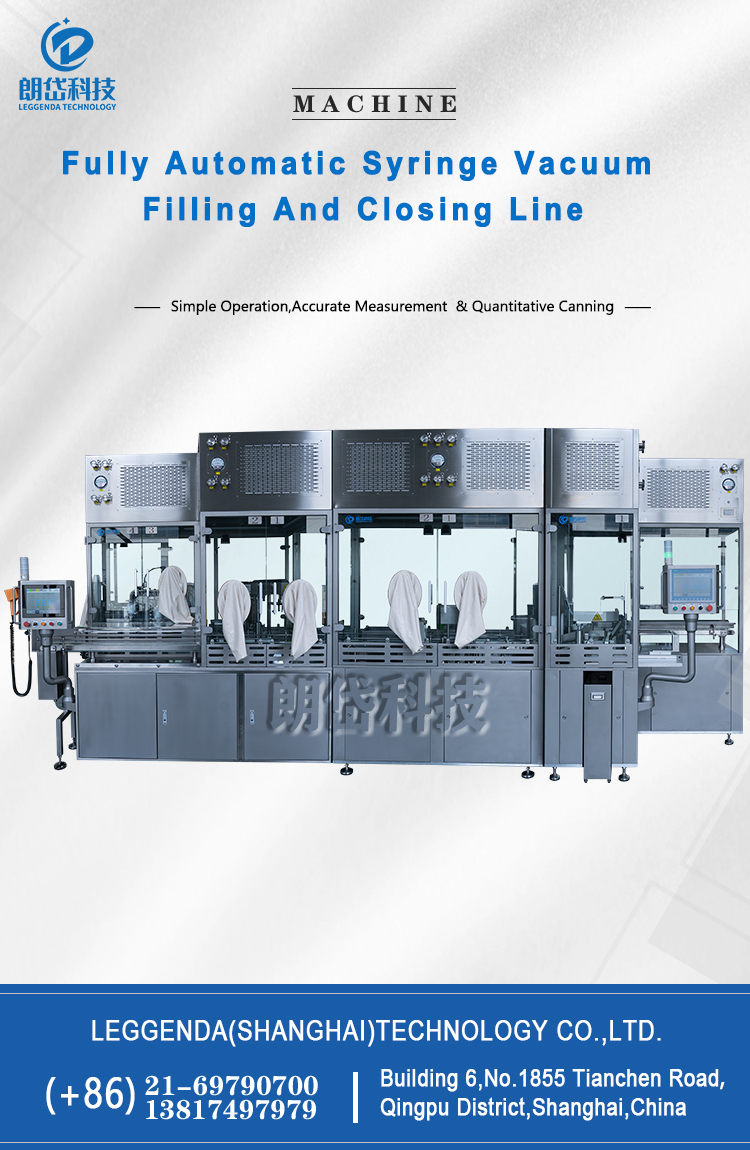
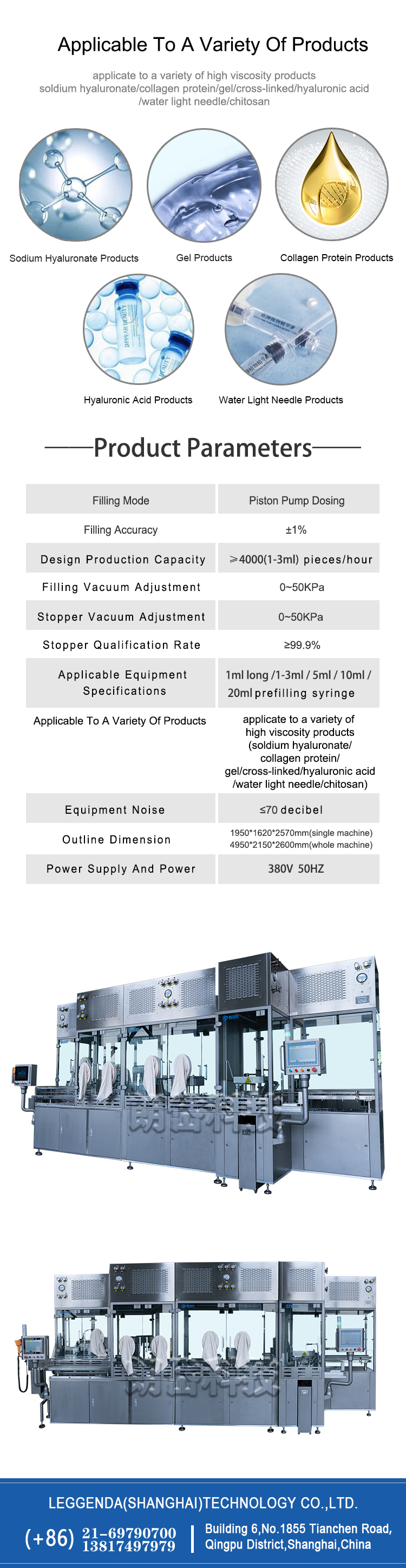

*The following content is generated by AI and is for reference only.
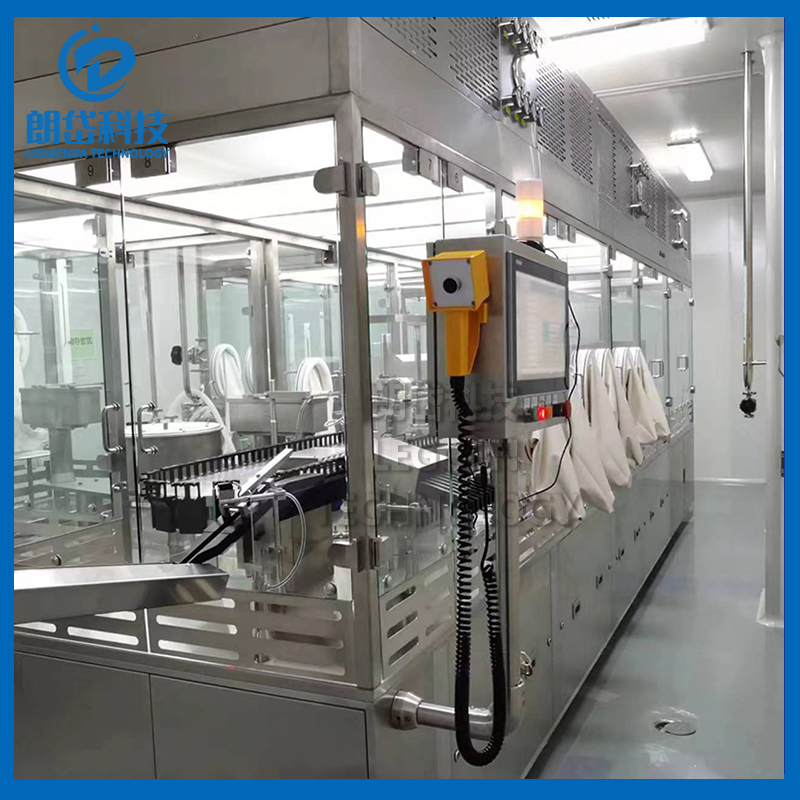
This automated device is designed to streamline the preparation of medical injections by precisely filling syringes with liquid medications. Primarily utilized in hospitals, clinics, and pharmaceutical manufacturing facilities, it replaces manual filling methods to enhance patient safety and operational efficiency. The machine operates by drawing sterile fluid from a source container, measuring exact volumes based on pre-set parameters, and delivering them into disposable or reusable syringe barrels with minimal human intervention. This automation significantly reduces the risk of dosage errors, cross-contamination, and needlestick injuries associated with manual handling.
Key applications include preparing insulin doses, administering vaccines, mixing chemotherapy agents, and filling contrast media for diagnostic imaging. By standardizing the filling process, healthcare providers ensure consistent dosing accuracy, which is critical for treating patients with narrow therapeutic indices. The system often features intuitive interfaces allowing staff to select volume settings, adjust flow rates, and monitor fill cycles in real-time. Some advanced models integrate barcode scanning to verify medication identity before dispensing, adding an extra layer of security against administration errors.
When operating this equipment, strict adherence to hygiene protocols is essential. Users must ensure all components contacting the medication are sterilized according to manufacturer guidelines to prevent microbial contamination. Regular calibration is required to maintain measurement precision over time. Operators should avoid using viscous fluids unless the specific model supports high-viscosity capabilities, as improper fluid properties can clog internal mechanisms or cause inaccurate dosing. Additionally, the device should be powered down and cleaned immediately after use if different medications are being prepared to prevent chemical reactions between residues. Staff training is mandatory to understand emergency stop procedures and basic troubleshooting. Proper disposal of used syringes and waste fluid must follow local biomedical waste regulations. Ultimately, while this technology offers substantial improvements in workflow speed and safety, it requires diligent maintenance and operator vigilance to function optimally within a clinical environment.





 (All Rights Reserved)