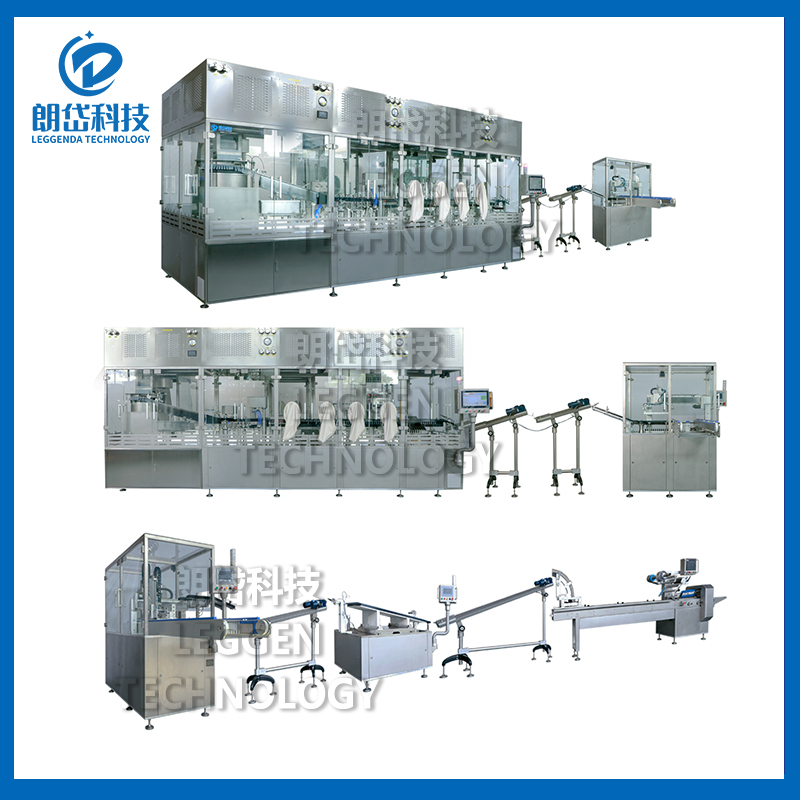
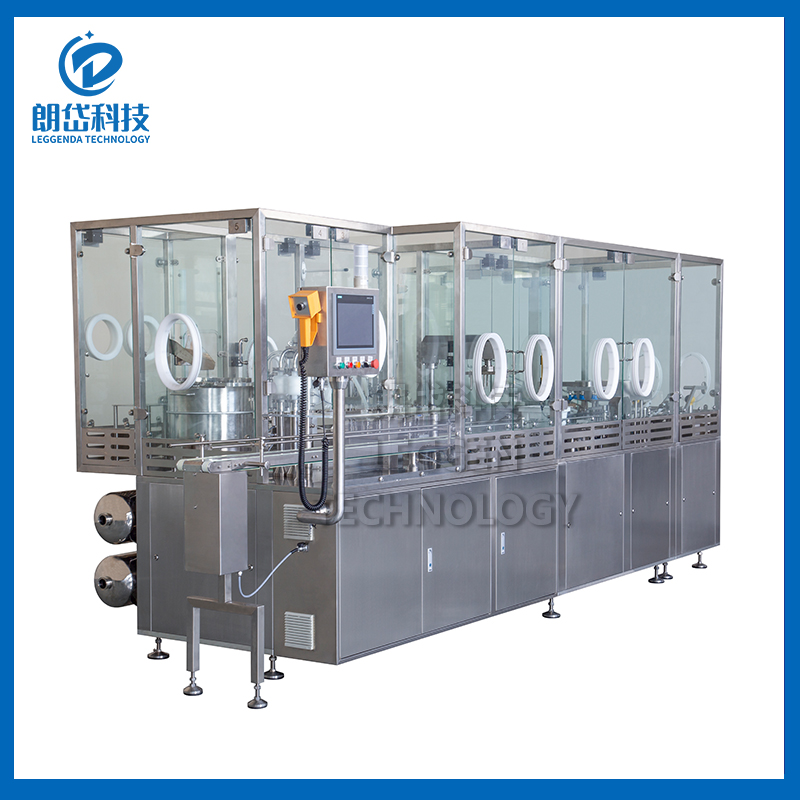
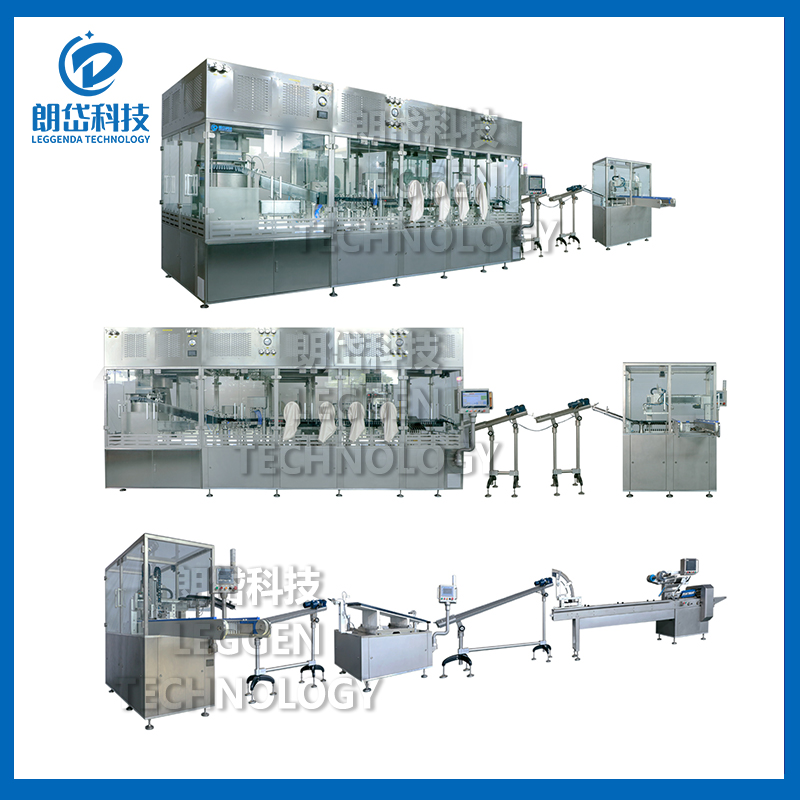
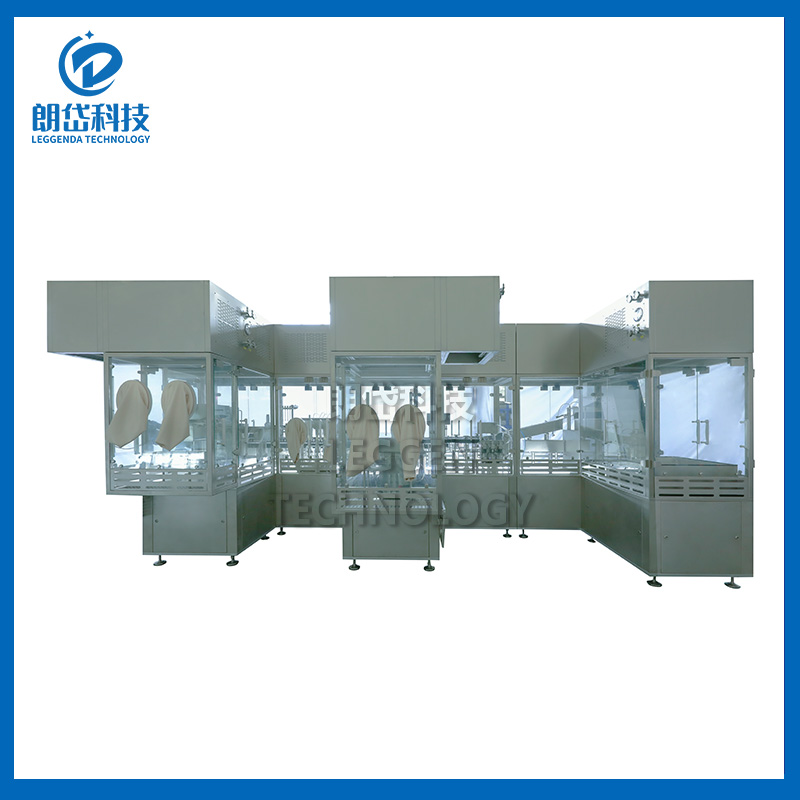
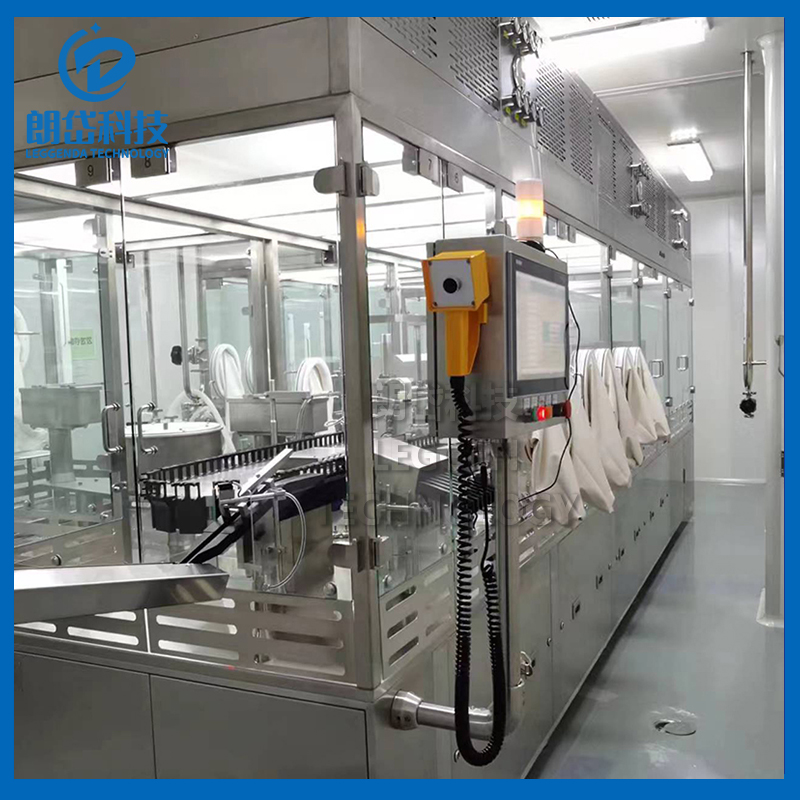
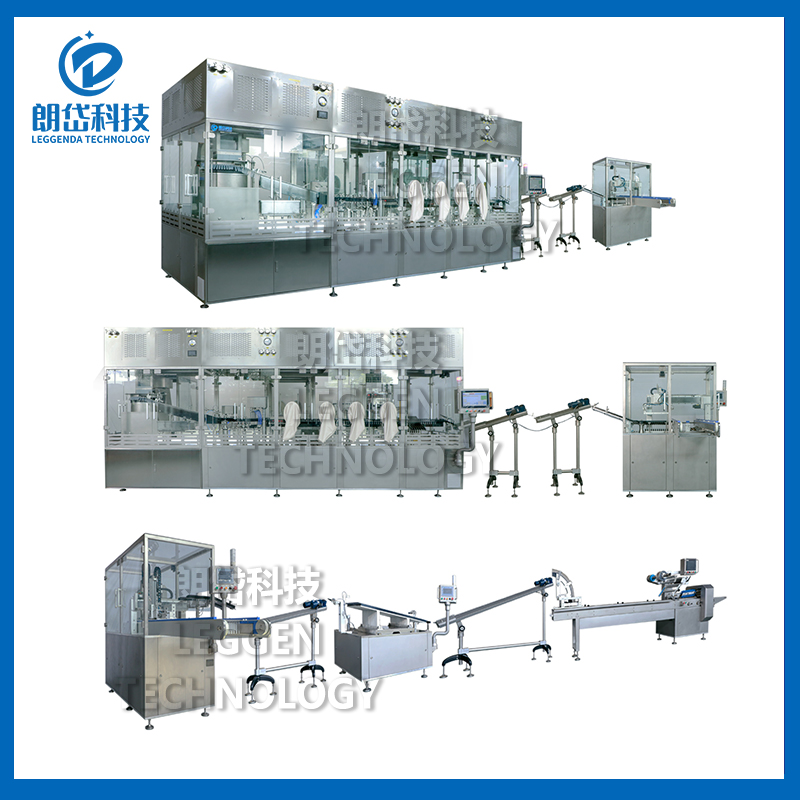
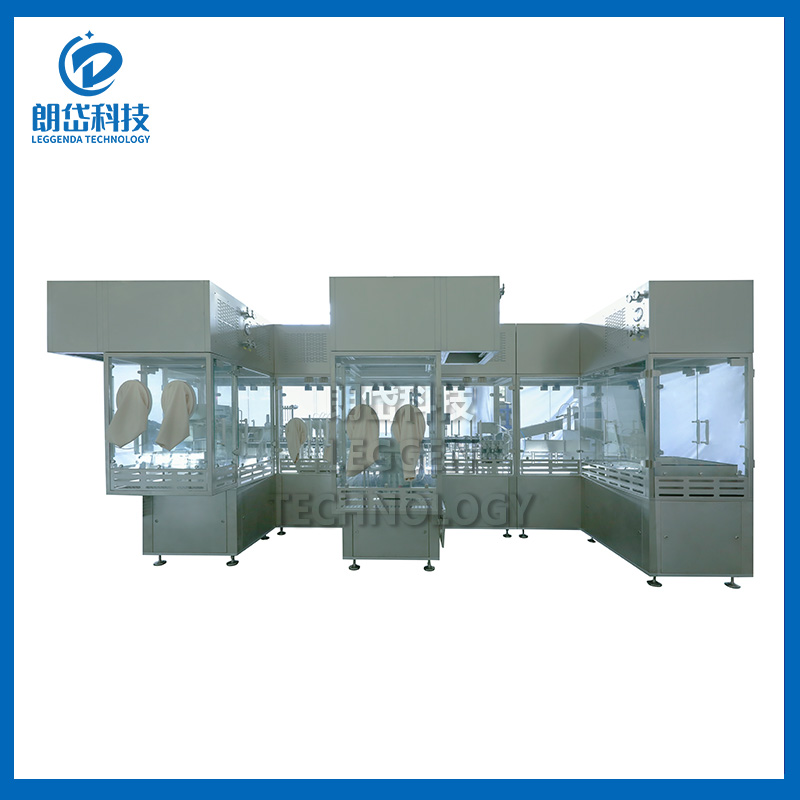
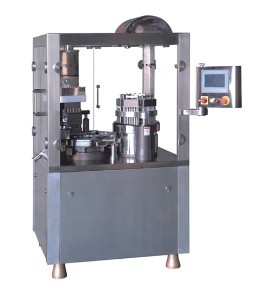
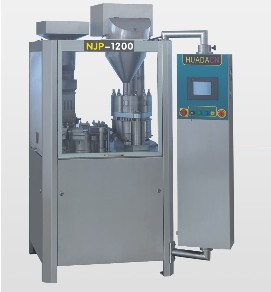
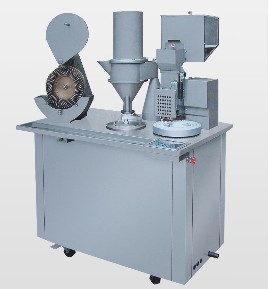
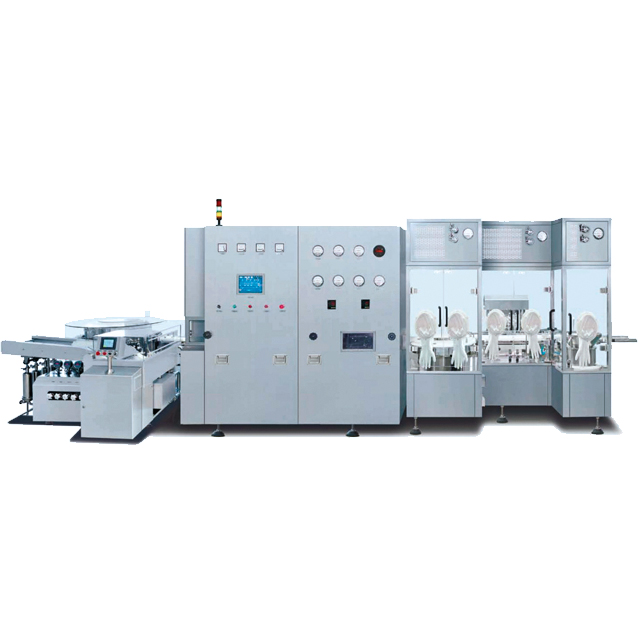
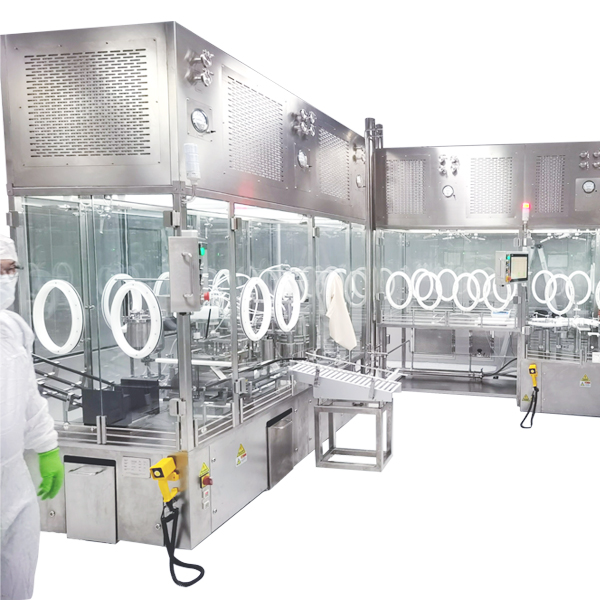
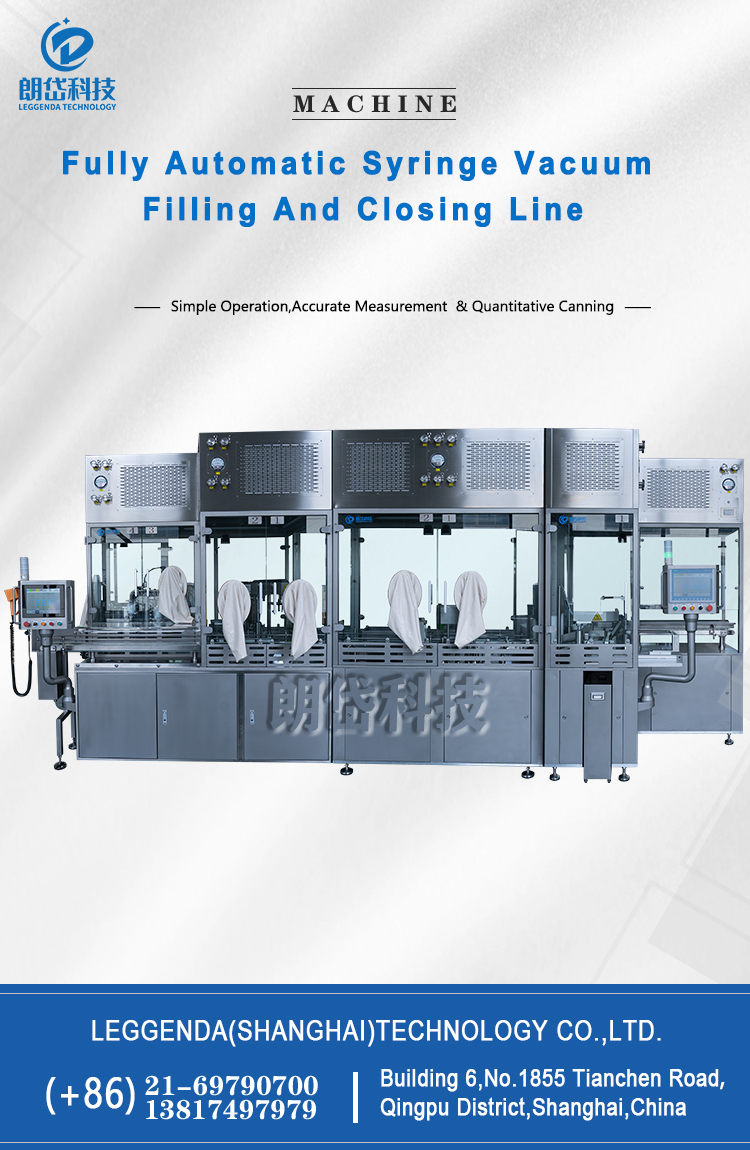
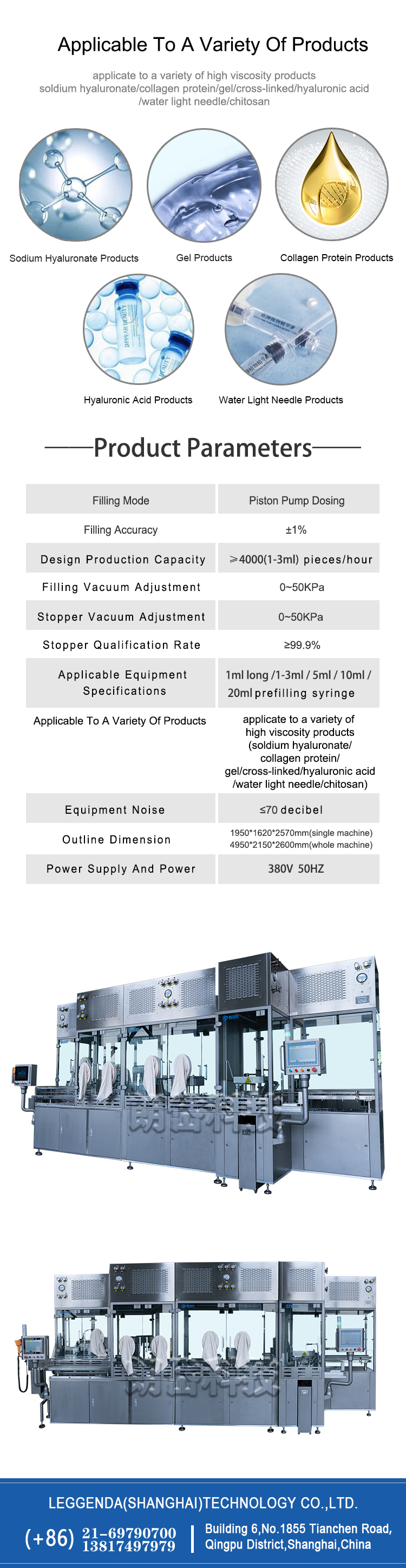
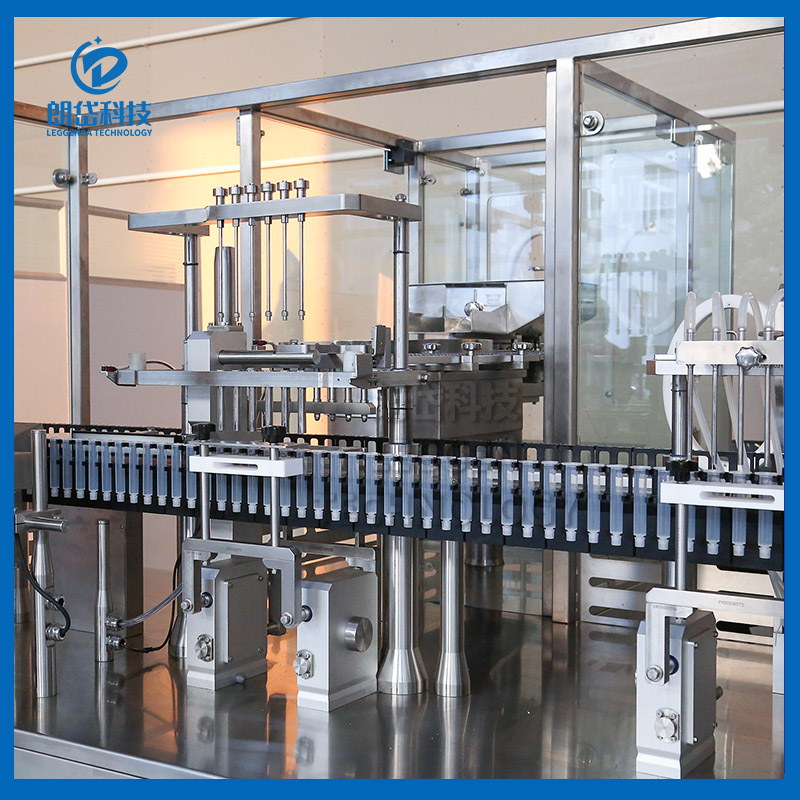
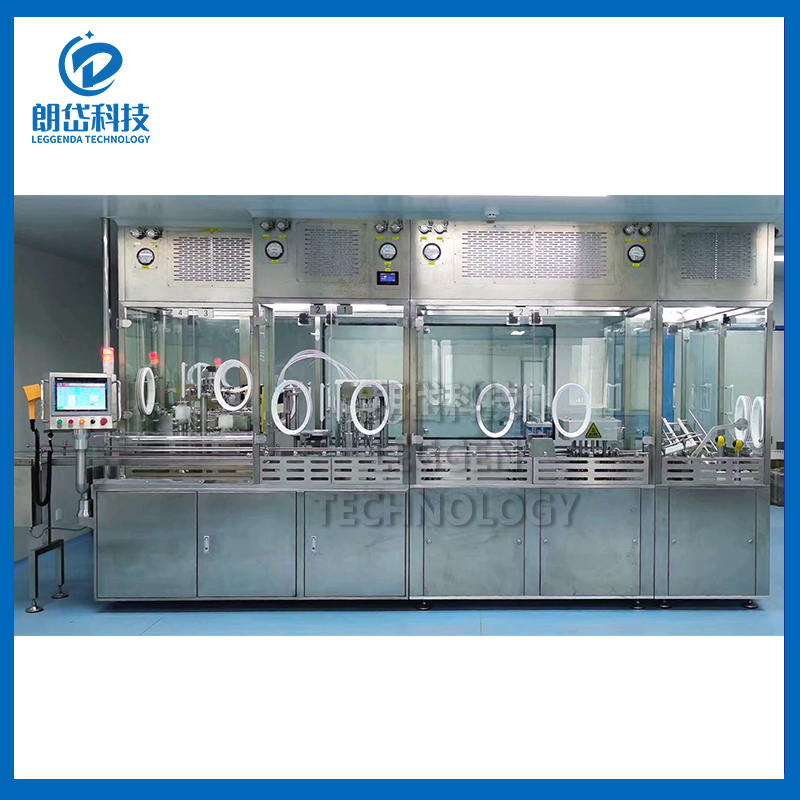
pre filled syringe filling machine is widely used,stable operation,reliable performance and reasonable design.And the equipment is easy to operate and has high filling accuracy.It is mainly used for filling quantitative high viscosity liquid in pharmaceutical,Aesthetic Medicine.It can be customized and adjusted according to customers' needs.

*The following content is generated by AI and is for reference only.
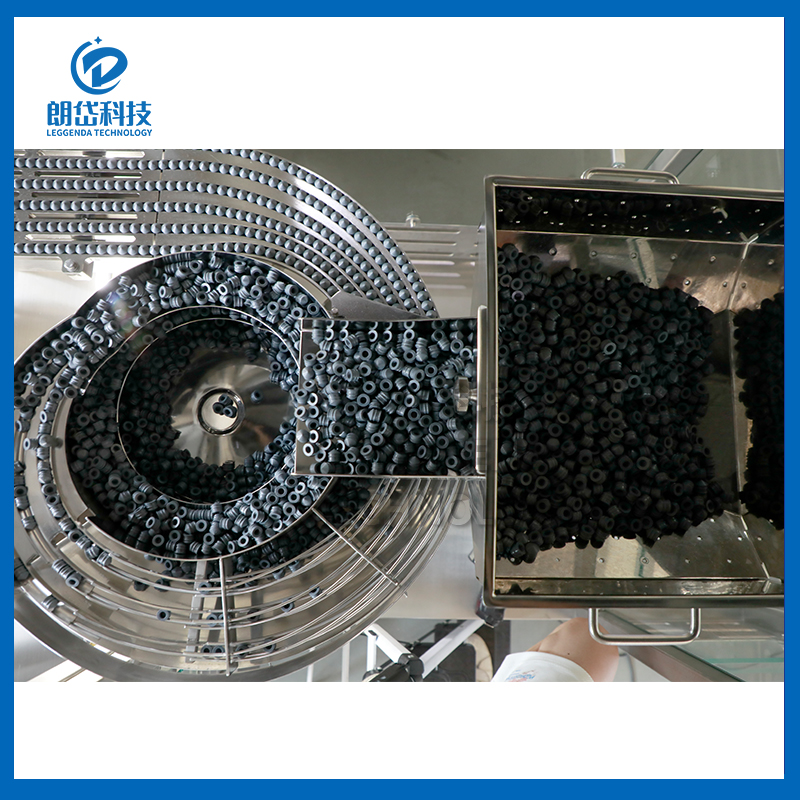
The automated pre-filled syringe filling machine is a critical piece of pharmaceutical manufacturing equipment designed to streamline the production of sterile injectable medications. Its primary function involves the precise metering, filling, and stoppering of liquid formulations into glass or polymer syringes with high accuracy and speed. These systems are essential for producing vaccines, biologics, insulin, and other parenteral drugs where dosage consistency and sterility are paramount. By integrating advanced robotics and vision inspection technology, these machines minimize human intervention, thereby reducing contamination risks and ensuring compliance with stringent global regulatory standards such as cGMP.
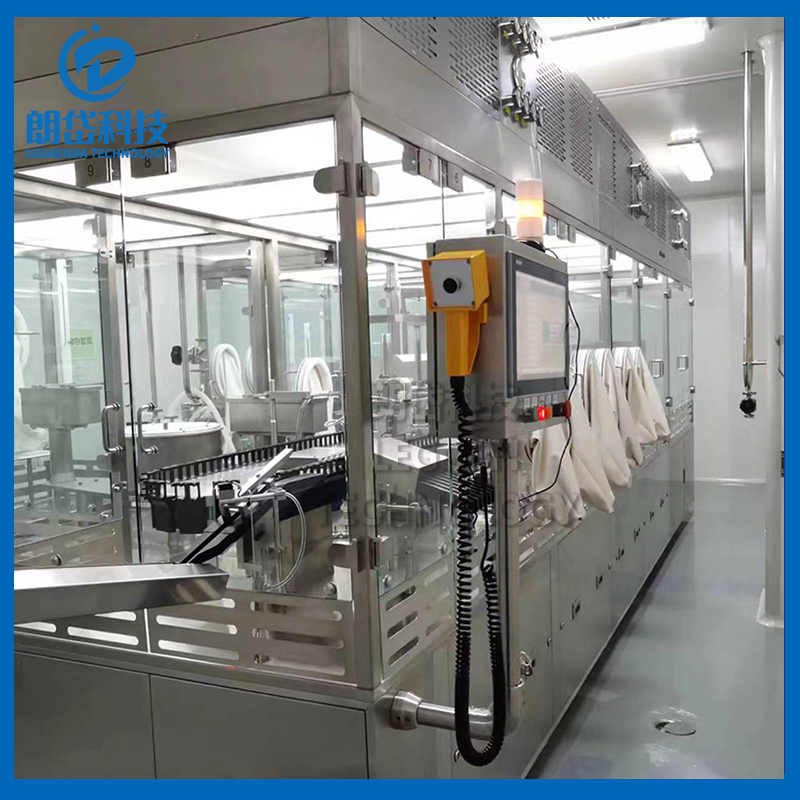
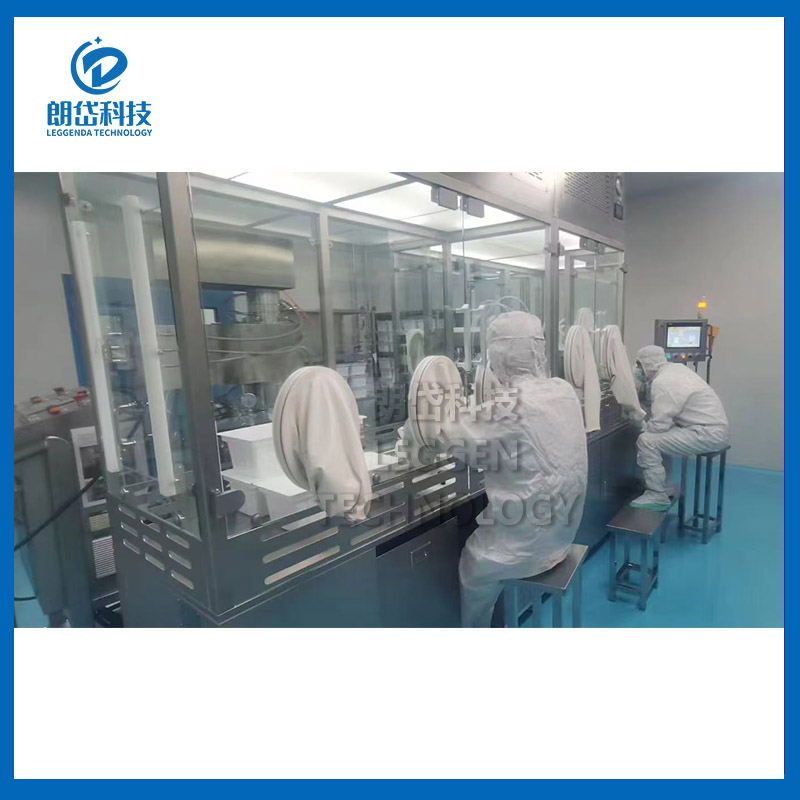
Operation requires a controlled environment, typically within a Grade A cleanroom or an isolator system, to maintain aseptic conditions throughout the process. Operators must adhere to strict hygiene protocols, including proper gowning and rigorous equipment sterilization cycles using steam-in-place (SIP) or vaporized hydrogen peroxide. Regular calibration of dosing pumps and sensors is vital to prevent overfilling or underfilling, which could compromise patient safety. Furthermore, the equipment often features real-time monitoring capabilities to detect anomalies like particulate matter or incomplete stoppering immediately.
Maintenance demands specialized training and adherence to detailed preventative schedules to ensure long-term reliability. All components coming into contact with the product must be made from pharmaceutical-grade materials, such as 316L stainless steel, to prevent chemical leaching. Data integrity is another crucial aspect; modern units generate comprehensive electronic batch records for traceability and audit purposes. Safety interlocks are installed to halt operations if protective barriers are breached or if pressure thresholds are exceeded. Ultimately, this technology bridges the gap between complex drug development and mass production, guaranteeing that every unit delivered to patients meets exacting quality specifications while optimizing manufacturing efficiency and reducing operational costs.





 (All Rights Reserved)