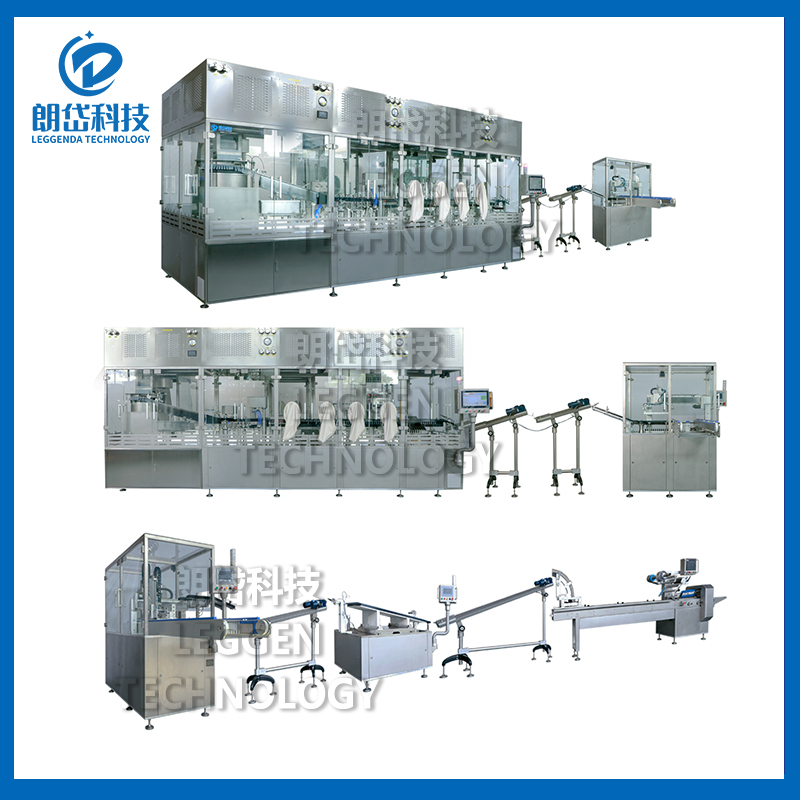
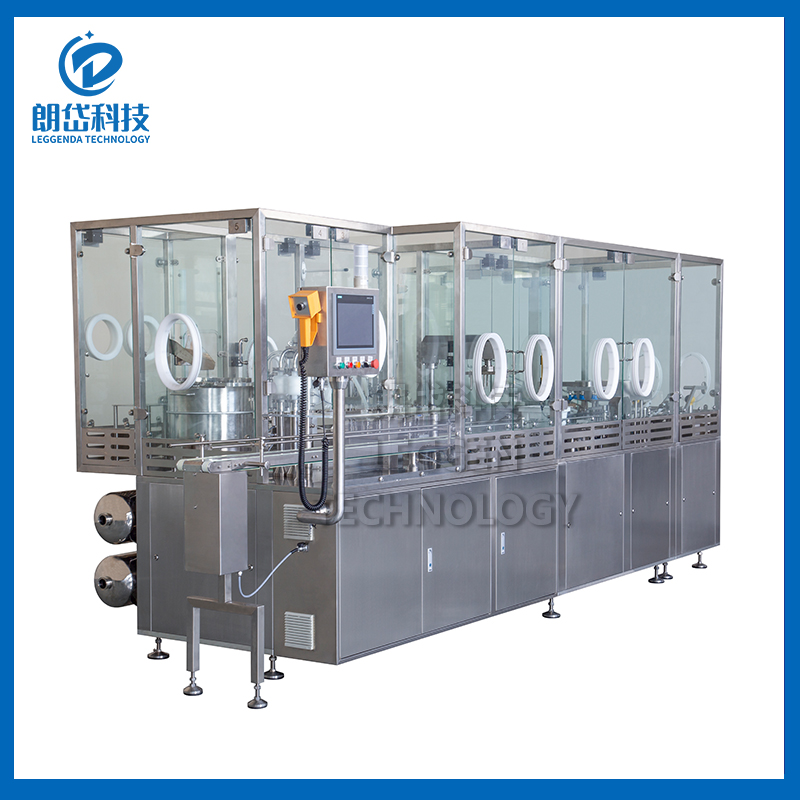
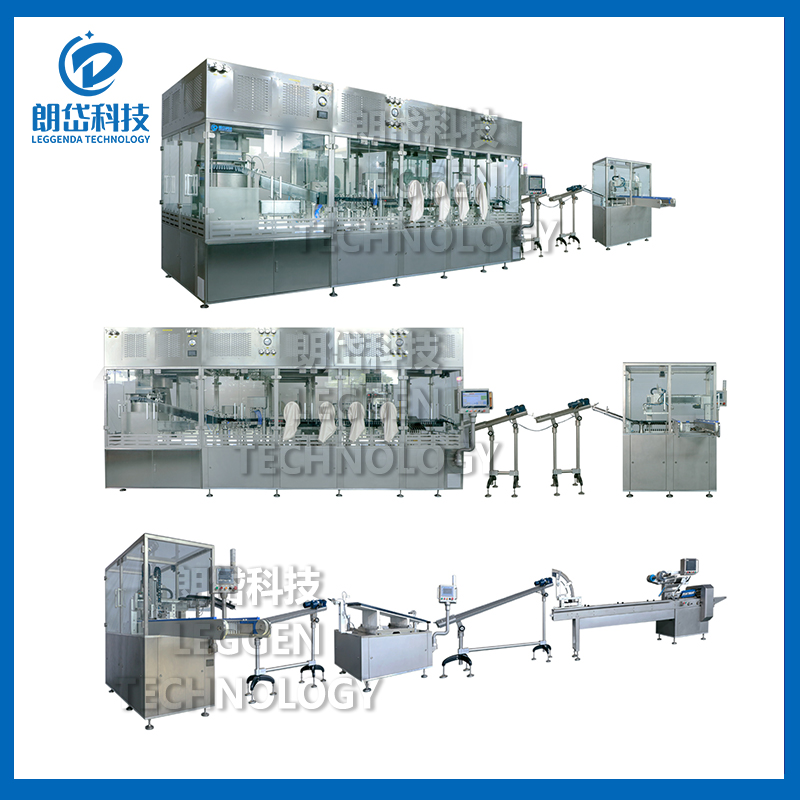
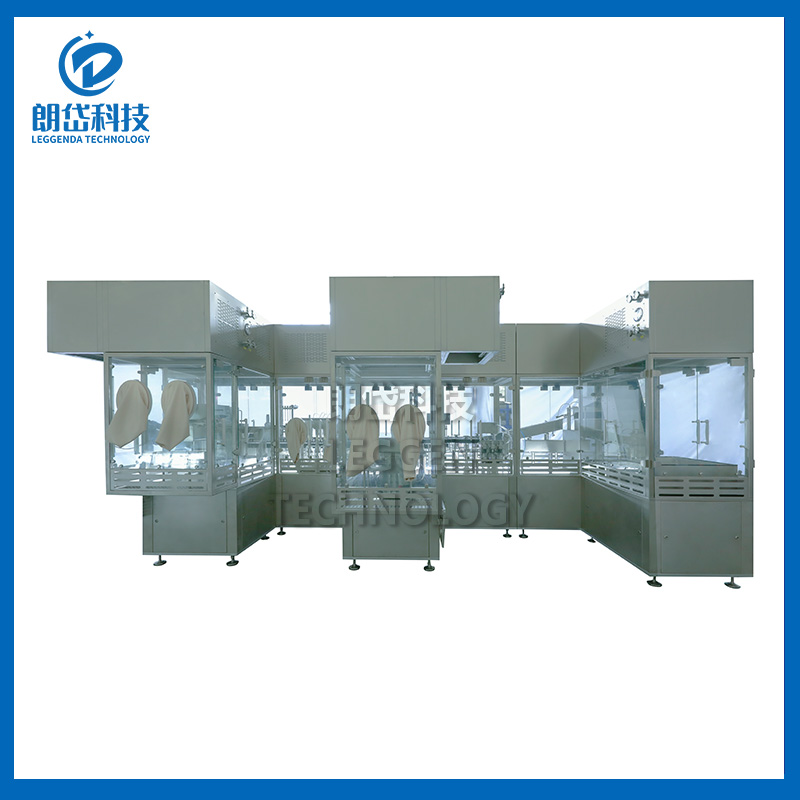
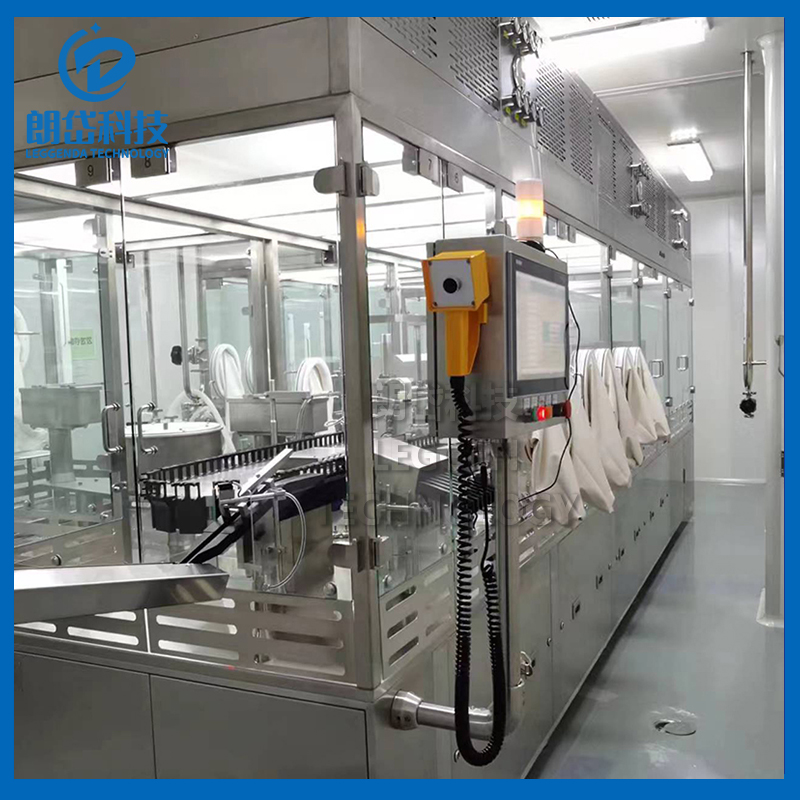
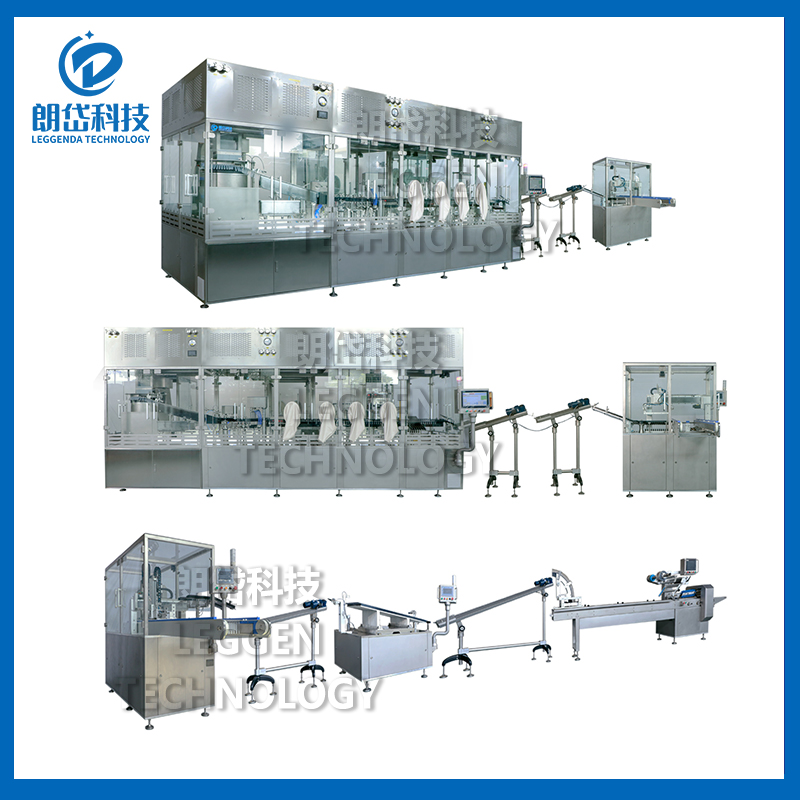
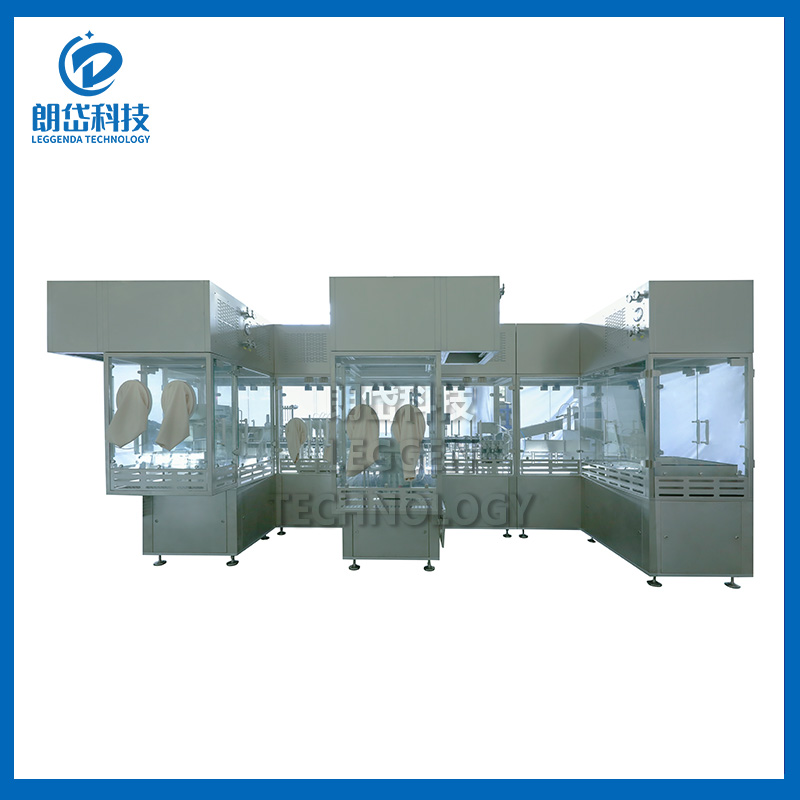
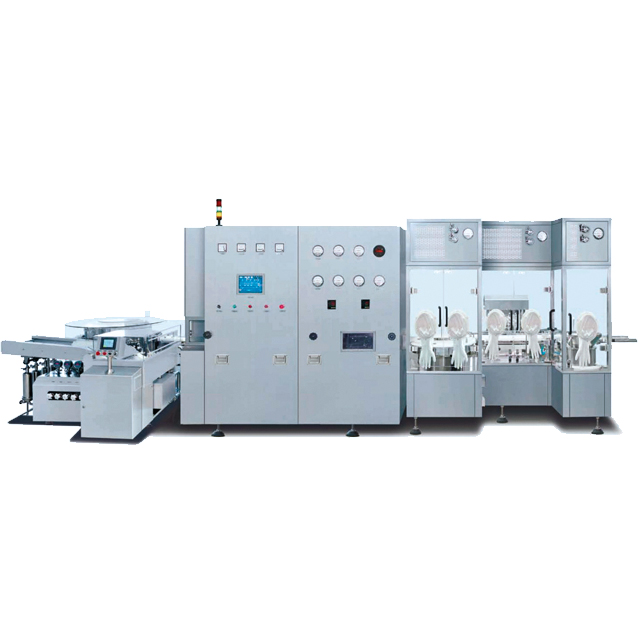
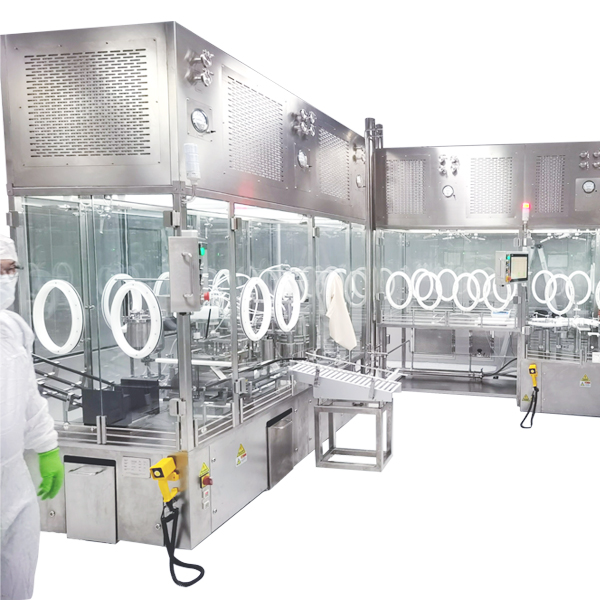
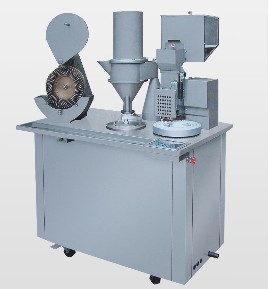
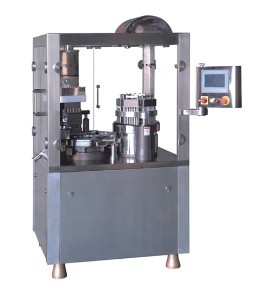
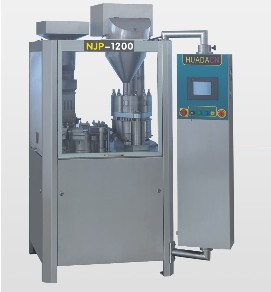
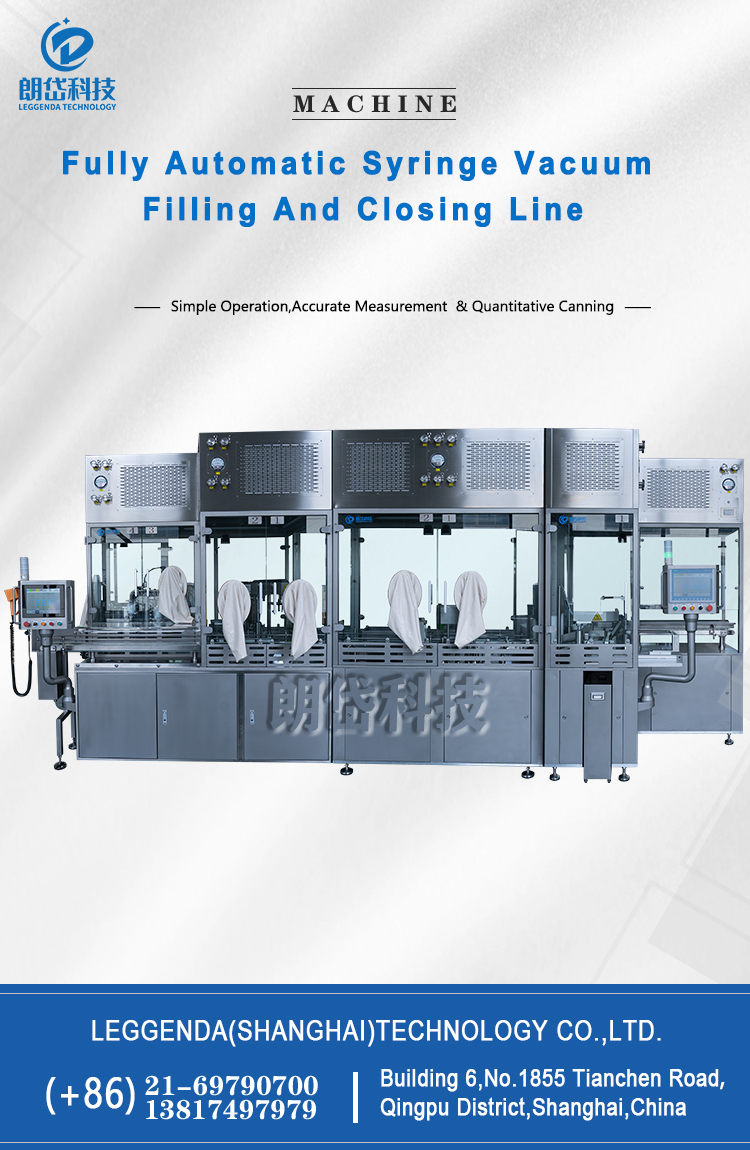
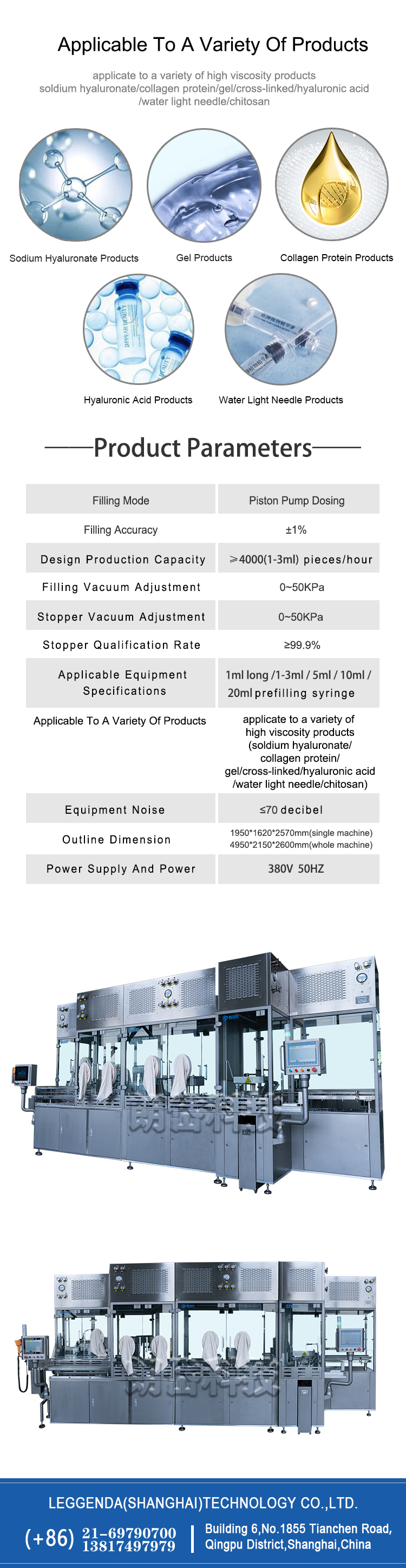
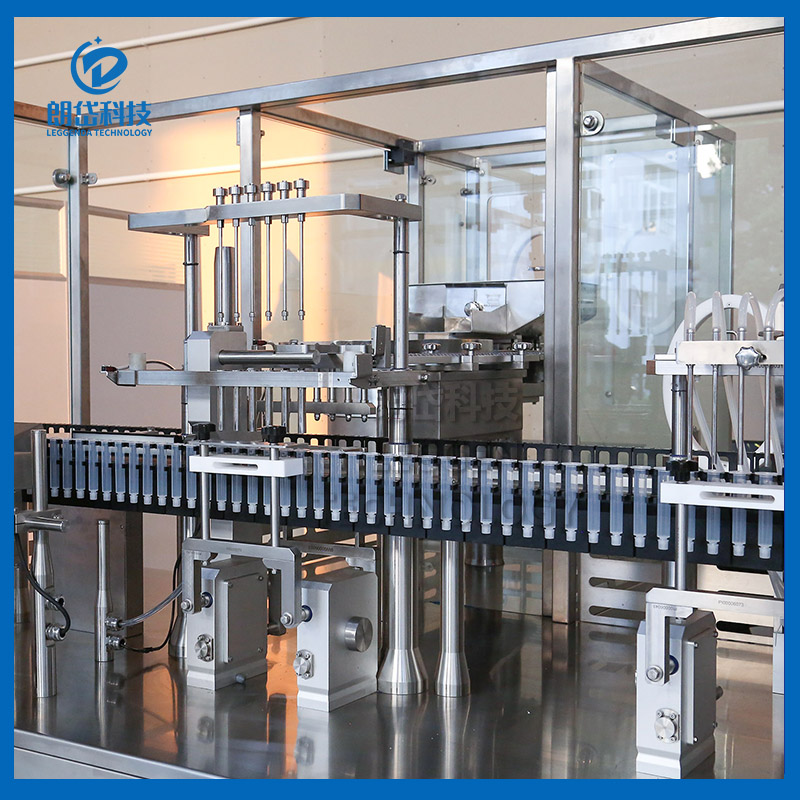
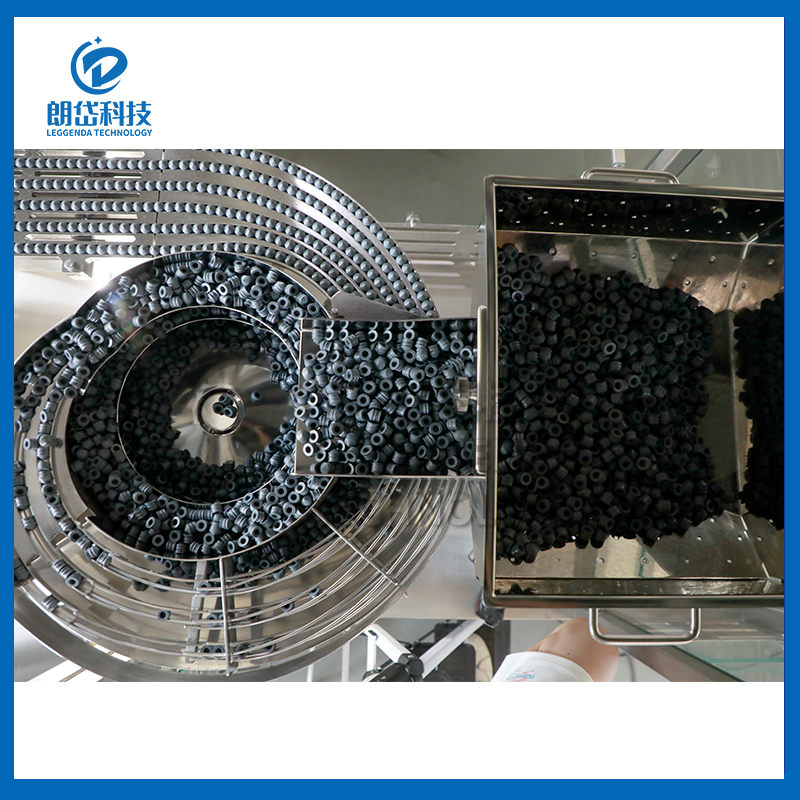
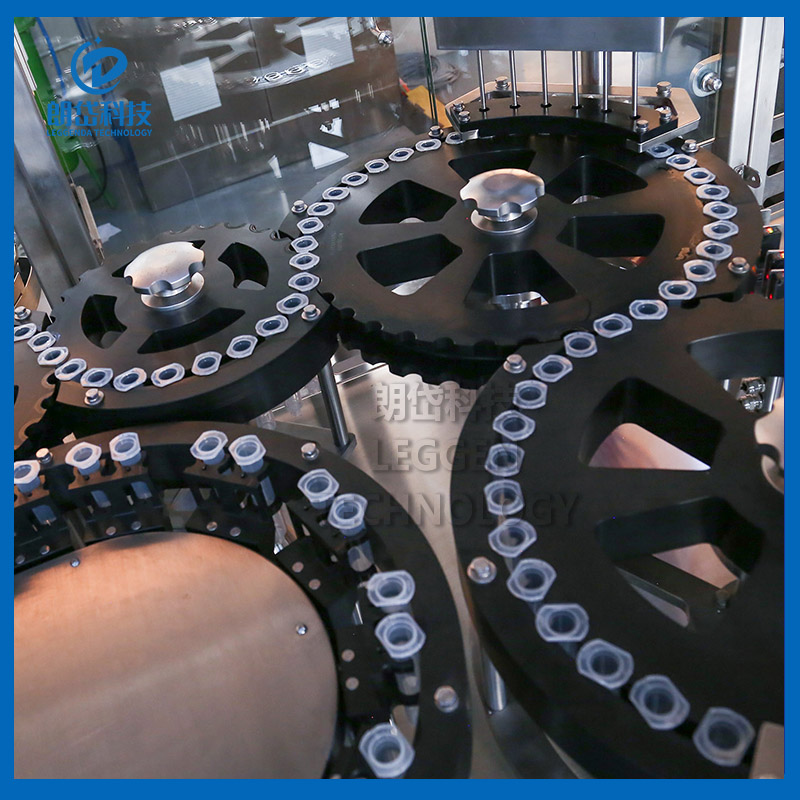
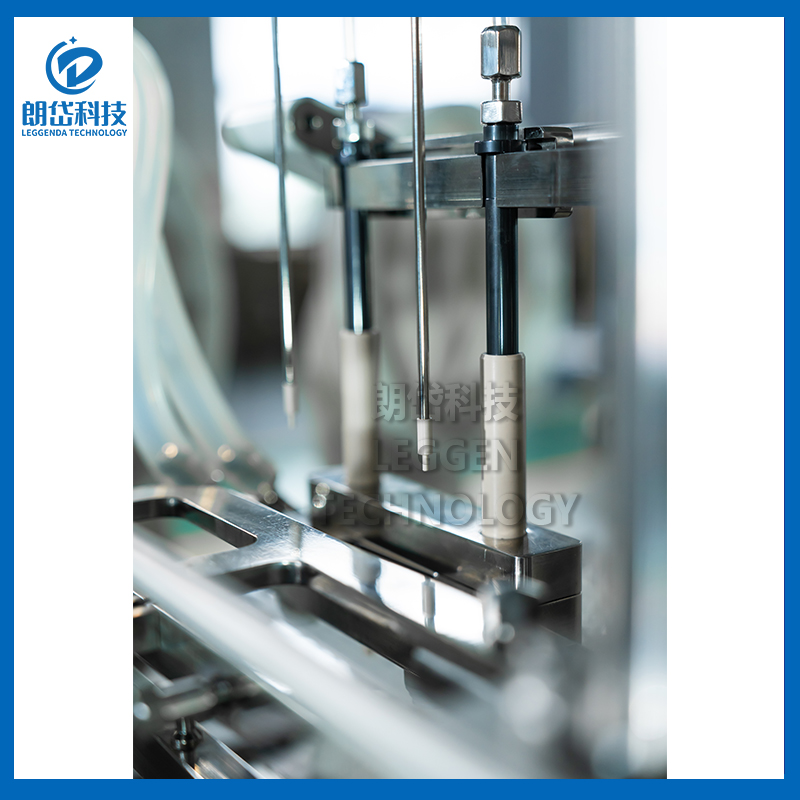
pre filled syringe filling and stoppering machine is widely used,stable operation,reliable performance and reasonable design.And the equipment is easy to operate and has high filling accuracy.It is mainly used for filling quantitative high viscosity liquid in pharmaceutical,Aesthetic Medicine.It can be customized and adjusted according to customers' needs.

*The following content is generated by AI and is for reference only.
The pre-filled syringe filling and stoppering machine is a critical piece of equipment in the pharmaceutical manufacturing industry, specifically designed for the aseptic production of injectable medications. Its primary function is to automate the complex process of filling precise volumes of liquid into glass or plastic syringes, followed immediately by the insertion and crimping of rubber stoppers to ensure product integrity. This machinery bridges the gap between bulk drug preparation and final packaging, handling high-speed operations that maintain strict sterility standards required for parenteral products such as vaccines, insulin, hormones, and monoclonal antibodies.
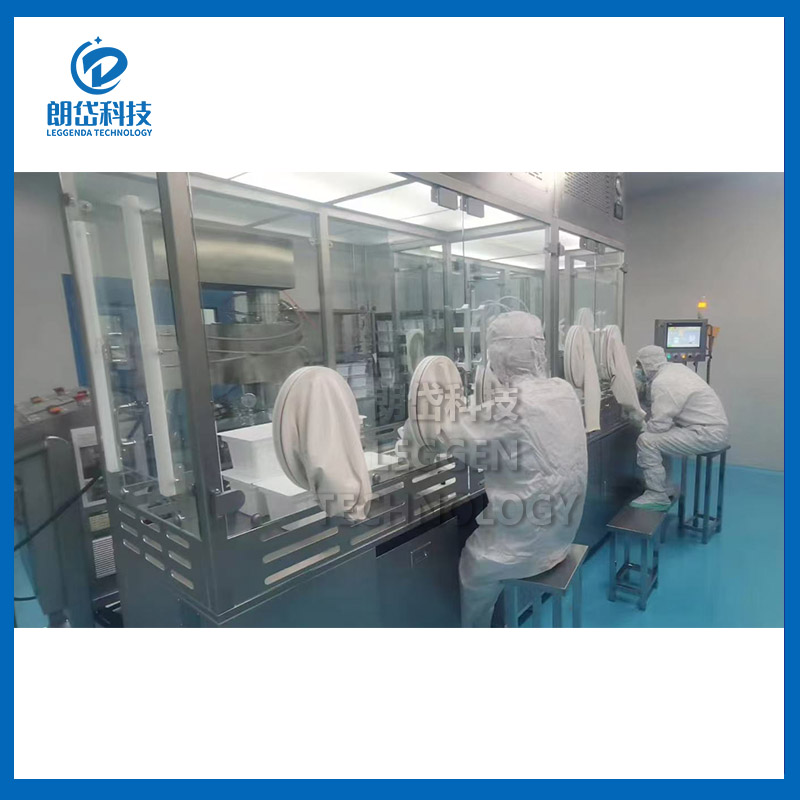
These systems are engineered to minimize human intervention, thereby significantly reducing the risk of microbial contamination and particulate matter introduction. Advanced models often integrate vision inspection systems to verify fill volumes, check for stopper defects, and confirm seal integrity before the syringes proceed to secondary packaging. The machines typically feature modular designs that allow for quick changeovers between different syringe sizes, enhancing flexibility for manufacturers producing diverse therapeutic portfolios. They operate within controlled environments, often utilizing isolator technology or restricted access barrier systems (RABS) to maintain ISO Class 5 or higher cleanliness levels throughout the filling cycle.
Several operational precautions must be observed to ensure safety and regulatory compliance. Operators must strictly adhere to validated cleaning and sterilization protocols, typically using steam-in-place (SIP) or vaporized hydrogen peroxide (VHP) methods, to prevent cross-contamination between batches. Regular calibration of dosing pumps and pressure sensors is essential to guarantee dosage accuracy, which is vital for patient safety. Furthermore, maintenance personnel should only perform tasks after proper lockout/tagout procedures are enacted, given the presence of moving mechanical parts and high-pressure fluid lines. Documentation of every batch run, including environmental monitoring data and equipment logs, is mandatory for FDA and EMA audits. Ultimately, this technology ensures the efficient, safe, and consistent delivery of life-saving injectable therapies to patients worldwide while meeting rigorous global quality standards.





 (All Rights Reserved)