Product Description
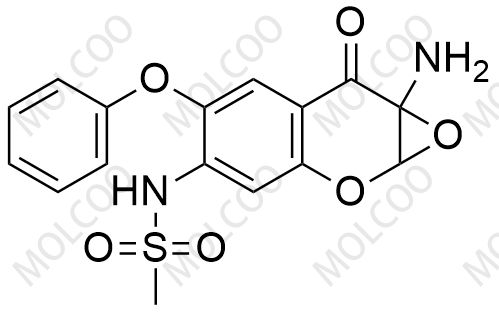
Reference Standards &Impurity
AI Product Description
*The following content is generated by AI and is for reference only.
Pranlukast is a potent and selective leukotriene receptor antagonist (LTRA) developed primarily for the management of bronchial asthma. Chemically, it functions by blocking the cysteinyl leukotriene type 1 (CysLT1) receptor, thereby inhibiting the action of endogenous leukotrienes such as LTC4, LTD4, and LTE4. These inflammatory mediators are key drivers in the pathophysiology of asthma, causing bronchoconstriction, mucus hypersecretion, and airway edema. By antagonizing these receptors, Pranlukast effectively prevents acute asthmatic attacks and helps maintain long-term control of chronic symptoms without the need for systemic corticosteroids.
The molecular formula of Pranlukast is C25H30N2O6S, with a molecular weight of approximately 474.58 g/mol. Its unique chemical structure features a pyridine ring substituted with specific side chains that ensure high affinity for the CysLT1 receptor while minimizing off-target effects. The Compound Abstract Number (CAS) for Pranlukast is 129868-87-3. This specific identifier is crucial for regulatory compliance, pharmaceutical manufacturing, and scientific research tracking globally.
Clinically, Pranlukast is administered orally, typically as tablets or capsules, and is indicated for patients suffering from mild to moderate persistent asthma. It is particularly valuable for individuals who require an alternative to inhaled corticosteroids or those experiencing breakthrough symptoms despite standard therapy. Unlike some other drugs in its class, Pranlukast has demonstrated efficacy in reducing the frequency of nocturnal asthma attacks and improving lung function metrics like FEV1. While generally well-tolerated, common side effects may include headache, dizziness, and gastrointestinal disturbances. It is important to note that Pranlukast is not a rescue medication for acute bronchospasm; rather, it serves as a prophylactic maintenance therapy. Developed originally in Japan and widely utilized there, it represents a significant advancement in non-hormonal anti-inflammatory treatment strategies for respiratory diseases, offering a safer profile for long-term use compared to traditional therapies involving steroids.












 (All Rights Reserved)