Product Description
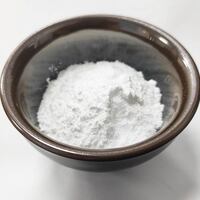
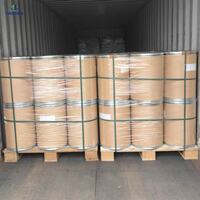
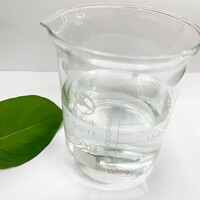
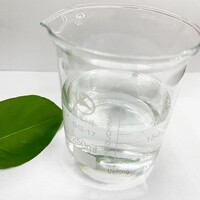
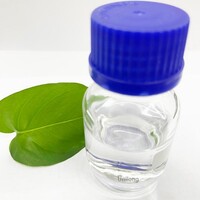
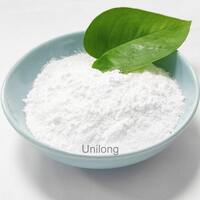
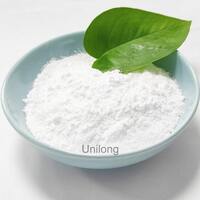
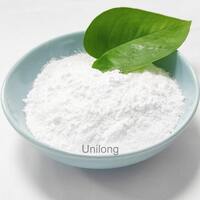
Potassium Peroxymonosulfate CAS 70693-62-8 is a white powder or granular, easily soluble in water, and the aqueous solution is acidic, with strong oxidation. unilong is a professional manufacturer of potassium bisulfate with fast delivery and in stock to support small sample testing.
AI Product Description
*The following content is generated by AI and is for reference only.
Potassium Peroxymonosulfate, commonly known by its trade name Oxone or as a triple salt of 2KHSO5·KHSO4·K2SO4, is a powerful and versatile oxidizing agent widely utilized across industrial and laboratory settings. Its chemical formula is often represented as KHSO5 in its active component form, though commercially it exists as a stable mixture containing potassium hydrogen sulfate and potassium sulfate. The specific CAS number for the active peroxymonosulfate species is 10058-23-8, while the commercial triple salt formulation typically carries the CAS number 70692-19-4. This white to off-white crystalline powder is highly soluble in water, where it dissociates to release the highly reactive peroxymonosulfate anion (HSO5⁻).
The primary application of Potassium Peroxymonosulfate lies in its exceptional oxidative capabilities. It serves as a critical reagent in organic synthesis for converting alcohols to carbonyl compounds, performing epoxidations, and facilitating Baeyer-Villiger oxidations. In environmental engineering, it is extensively used for soil and groundwater remediation through Advanced Oxidation Processes (AOPs). When activated by heat, transition metals like iron, or ultraviolet light, it generates sulfate radicals (SO4•−), which are non-selective and extremely potent at degrading persistent organic pollutants, including pesticides, pharmaceuticals, and industrial dyes. Furthermore, it is a key ingredient in household and industrial cleaning products, acting as a bleaching agent for textiles, paper pulp, and wastewater treatment due to its ability to eliminate odors and disinfect surfaces without leaving harmful chlorine residues. Its stability in solid form makes it safe to transport and store compared to other liquid oxidizers, provided it is kept dry and away from incompatible reducing agents. Despite its high reactivity in solution, it remains relatively stable under ambient conditions, offering a reliable and effective solution for diverse oxidation needs ranging from small-scale chemical research to large-scale industrial sanitation and pollution control projects.





 (All Rights Reserved)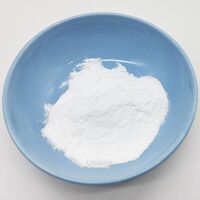
![3-Iodo-5-tert-butylbenzo[b]thiophene](https://eimg.pharmasources.com/image/product/20250919/370cd976e4b82e45e310eab5fdf6b1f1jpg)

![5-Hydroxy-3,9-dimethyl-7H-benzo[c]fluoren-7-one](https://eimg.pharmasources.com/image/product/20250919/d01931f02fb1e7e8231c9933d73e3837jpg)

![Ethyl 5-methylbenzo[b]thiophene-2-carboxylate](https://eimg.pharmasources.com/image/product/20250919/bd4b4317408ace91b597157b395c106bjpg)

![3-Bromo-5-tert-butylbenzo[b]thiophene](https://eimg.pharmasources.com/image/product/20250919/742a9f6c2521018bdd155a4ef08a8873jpg)
