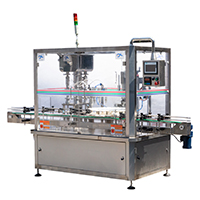
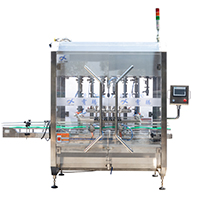
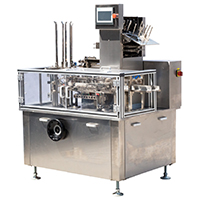
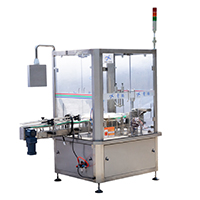
Product Description
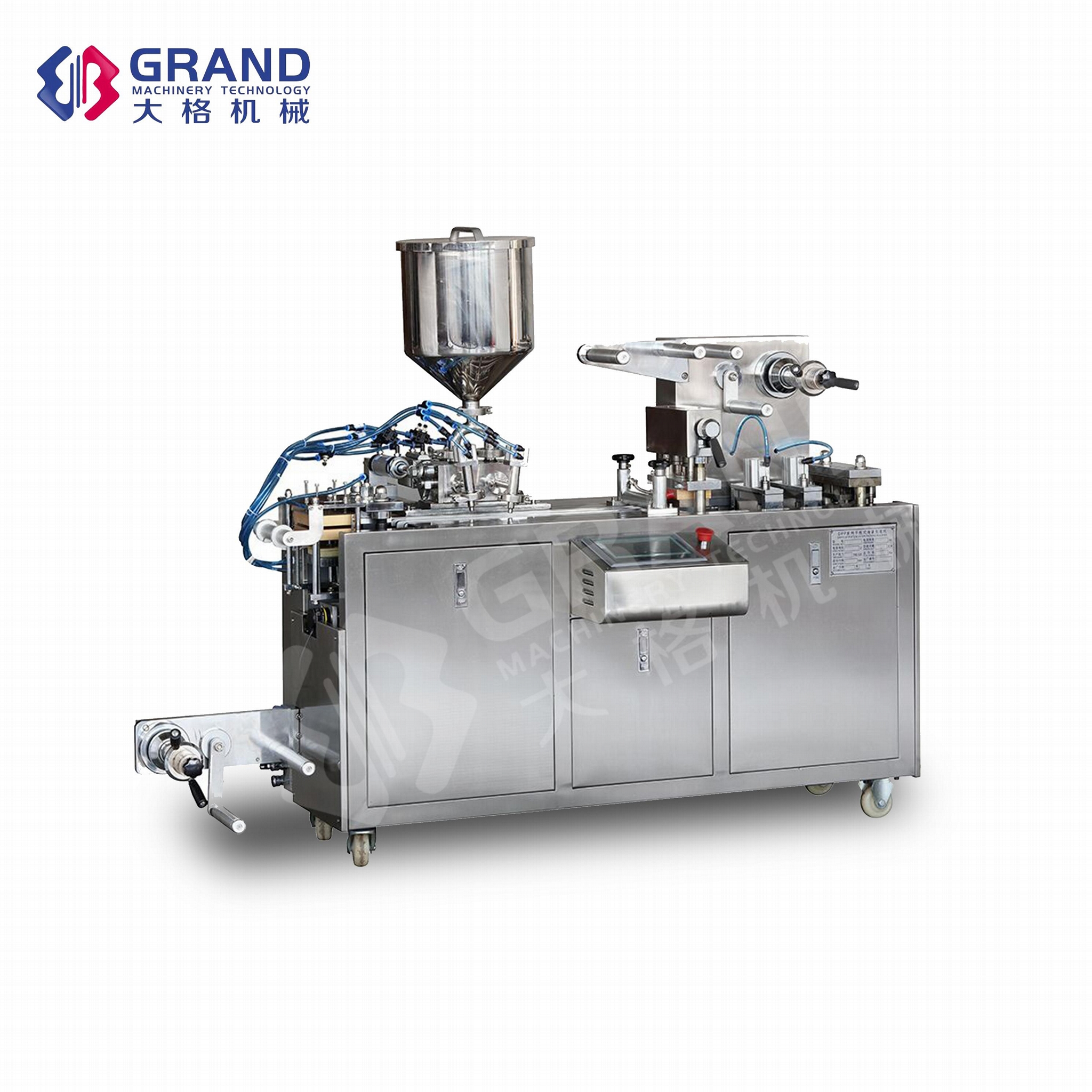
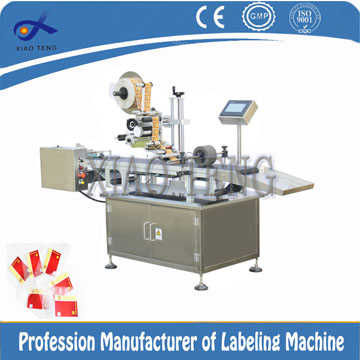
1. Applicable to automatically separating and labeling pages of unformed paper boxes, instruction books and cards , and it can print codes which are from medicine, food, daily use chemical, etc.;2. The vacuum conveyer belt takes materials onto it automatically avoiding material translocation. It can separate pages stably and accurately;
AI Product Description
*The following content is generated by AI and is for reference only.
The Page Separating Labeling Machine is a specialized industrial automation device designed specifically for high-speed application of labels onto thin, flexible, or delicate substrates such as paper sheets, tissue products, lightweight films, and fragile packaging materials. Unlike standard labeling systems that may rely on heavy mechanical contact or rigid suction mechanisms, this equipment utilizes advanced pneumatic separation technology to isolate individual sheets from a stack without causing jamming, tearing, or misalignment. The core function involves gently lifting the top sheet using air pressure or vacuum-assisted rollers, ensuring precise positioning before the label is applied with minimal friction. This makes it indispensable in industries like pharmaceuticals, food and beverage, cosmetics, and stationery manufacturing where product integrity is paramount and traditional methods often result in waste due to material damage.
Key operational advantages include adjustable speed settings to accommodate varying production rates and customizable gap distances to handle different sheet thicknesses. The machine typically features an intuitive control interface allowing operators to monitor feed consistency and detect errors instantly. However, several critical precautions must be observed during operation to ensure safety and longevity. First, the substrate material must be free from excessive static electricity, which can cause sheets to cling together and disrupt the separation process; anti-static brushes or ionizing bars are often recommended. Second, regular cleaning of the air nozzles and sensors is essential, as dust accumulation from paper fibers can impair performance. Operators should also avoid overloading the feeder hopper, as uneven stacking can lead to double-feeds or jams. Finally, all maintenance procedures involving internal components must be performed only after locking out power sources to prevent accidental activation. By adhering to these guidelines, manufacturers can achieve consistent labeling accuracy while minimizing downtime and material loss, making this solution a vital asset for efficient production lines handling sensitive goods.





 (All Rights Reserved)