Product Description
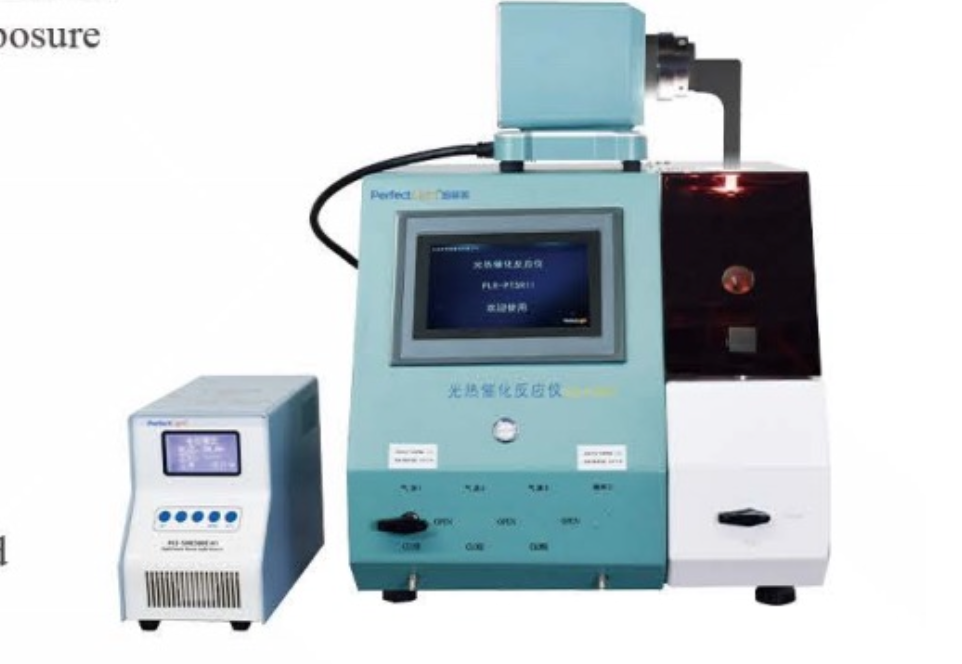
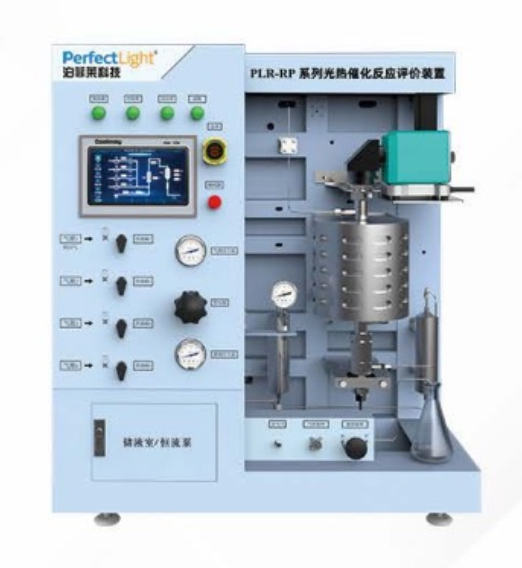
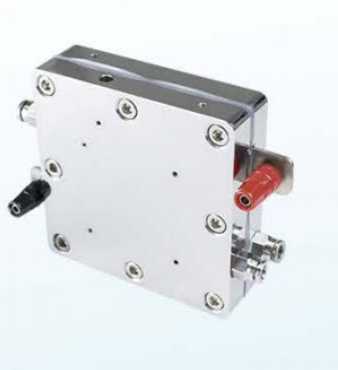
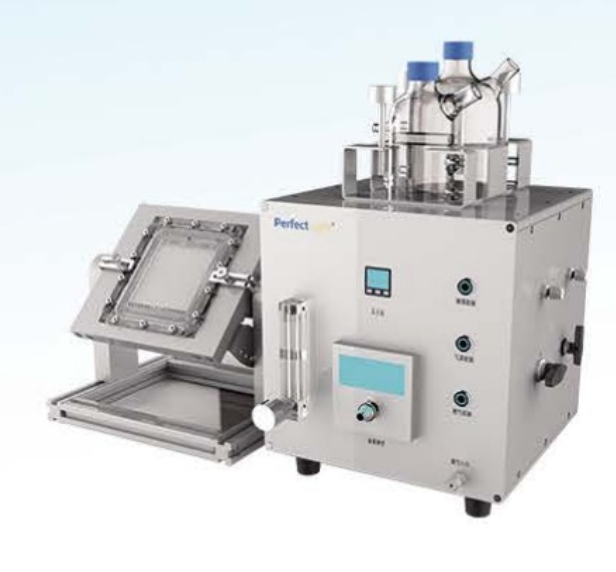
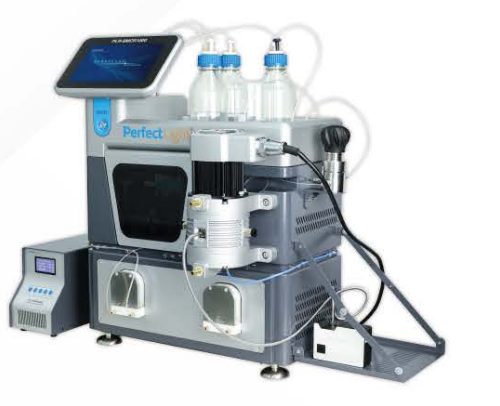
Milliliter level flow photochemical reactorFeasibility verification of continuoustank reaction
Exploring the conditions of flowphotochemical reaction
Support liquid-liquid/gas-liquid/liquid-solid photosynthesis
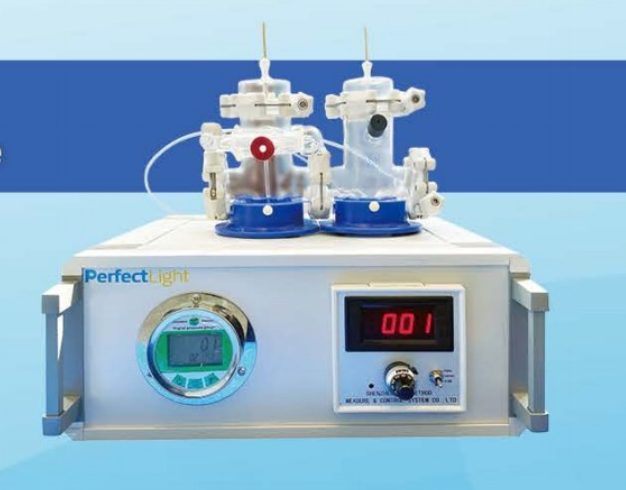
Study on the behavior of gas/liquid phase mass transfer process in Taylor flowReal time monitoring ofthe effects of fluid reaction temperature, spectrum,gas-liquid dispersion and other conditions on reaction results
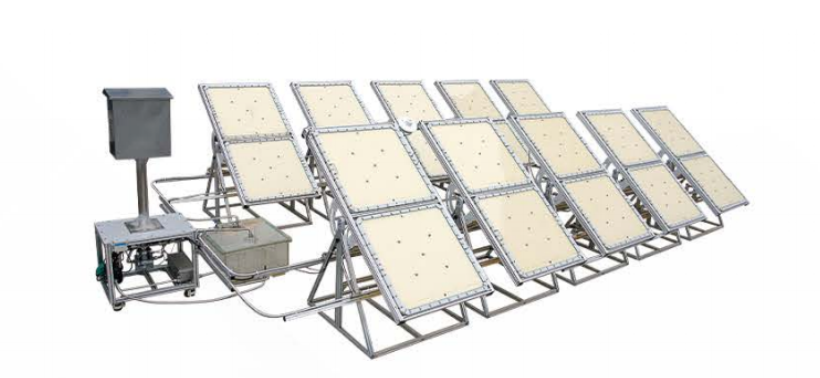
Support for expansion
AI Product Description
*The following content is generated by AI and is for reference only.
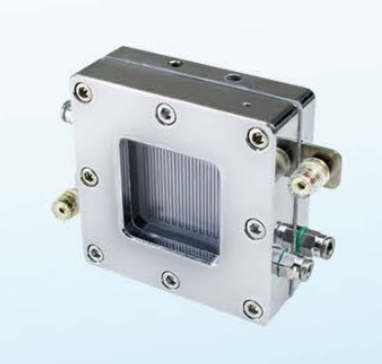
The PLR-SMCR1000 Multiphase Micro-channel Reaction System represents a significant advancement in process intensification and chemical engineering, designed to overcome the limitations of traditional batch reactors. By utilizing micro-structured channels with characteristic dimensions typically below one millimeter, this system enables precise control over fluid dynamics, heat transfer, and mass transfer processes. Its primary application lies in the rapid optimization of chemical reactions, particularly those involving exothermic hazards, gas-liquid interactions, or highly sensitive intermediates. Researchers and industrial engineers utilize such platforms to accelerate reaction development, ensuring safety while enhancing yield and selectivity for complex synthesis pathways ranging from pharmaceuticals to fine chemicals.
A key advantage of this technology is its ability to manage extreme thermal gradients efficiently. The high surface-area-to-volume ratio inherent in micro-channels allows for instantaneous heat dissipation, effectively preventing thermal runaway scenarios common in large-scale batch operations. Furthermore, the system facilitates the generation of uniform droplets or bubbles, creating consistent reaction environments that are difficult to achieve in conventional stirred tanks. This consistency leads to reproducible results, which is critical for scaling up laboratory discoveries to pilot or production scales.
However, operating such a sophisticated device requires strict adherence to specific protocols. Operators must ensure that all feed streams are thoroughly filtered to prevent particulate matter from clogging the narrow micro-channels, as blockages can lead to dangerous pressure buildups. Additionally, the system demands rigorous monitoring of flow rates and pressures to maintain laminar flow conditions necessary for optimal performance. Material compatibility is another crucial consideration; the reactor components must be resistant to the corrosive nature of the reagents being processed. Regular maintenance checks on seals and connections are essential to prevent leaks, especially when handling volatile or toxic substances. Proper training on emergency shutdown procedures and pressure relief mechanisms is mandatory for all personnel. Ultimately, while the system offers unparalleled control and safety for multiphase reactions, its effectiveness relies heavily on meticulous operational discipline and a deep understanding of the underlying fluid dynamics involved.





 (All Rights Reserved)