Product Description
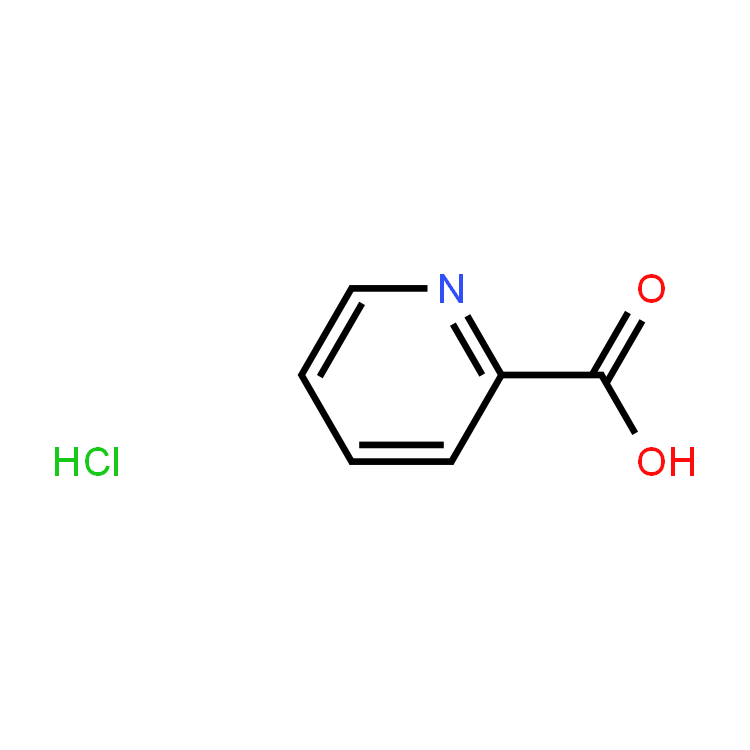
Picolinic acid hydrochloride、636-80-6
AI Product Description
*The following content is generated by AI and is for reference only.
Picolinic acid hydrochloride is a valuable chemical intermediate and pharmaceutical building block widely utilized in organic synthesis, coordination chemistry, and medicinal research. Chemically known as 2-pyridinecarboxylic acid hydrochloride, this compound represents the hydrochloride salt form of picolinic acid, which enhances its solubility in aqueous media compared to the free acid. Its molecular formula is C₆H₅ClNO₂, reflecting the addition of a hydrogen chloride molecule to the parent pyridine carboxylic acid structure. The specific CAS registry number for this substance is 531-78-6, serving as a unique identifier for inventory management, safety data sheets, and regulatory compliance across global supply chains.
The primary applications of picolinic acid hydrochloride are diverse, spanning multiple industrial sectors. In the field of biochemistry and pharmacology, it acts as a crucial ligand for metal chelation studies. It forms stable complexes with transition metals such as iron, copper, and zinc, making it essential for researching metal transport mechanisms within biological systems and developing potential therapeutic agents for conditions involving metal deficiency or toxicity. Furthermore, it serves as a key precursor in the synthesis of complex heterocyclic compounds, including various vitamins, dyes, and agrochemicals.
In materials science, this reagent is employed to synthesize specialized polymers and functionalized surfaces where metal coordination properties are required. Its acidic nature and stability under various reaction conditions make it an ideal candidate for catalytic processes and fine chemical manufacturing. Researchers frequently utilize it to prepare derivatives that exhibit enhanced biological activity or specific physicochemical properties tailored for drug discovery pipelines. Safety protocols dictate handling this powder with standard laboratory precautions, as it may cause irritation upon contact with skin or eyes. Overall, picolinic acid hydrochloride remains an indispensable component in the toolkit of modern chemists, bridging fundamental research with practical industrial applications through its versatile coordination capabilities and synthetic utility.











 (All Rights Reserved)
![8-Oxa-1,3-diazaspiro[4.5]decane-2,4-dione](https://eimg.pharmasources.com/image/product/20250403/60fa7223d5a34f24138486ceea0ffb15jpg)
![6,8-Dioxo-5,7-diazaspiro[3.4]octane-2-carboxylic acid](https://eimg.pharmasources.com/image/product/20250403/02effeb5a7639bc84ff1f3add3c0c64fjpg)
![8,16-Diazadispiro[6.1.6.2]heptadecan-17-one](https://eimg.pharmasources.com/image/product/20250403/ca91cba8b87e53fc879f8d8764873a40jpg)