Product Description
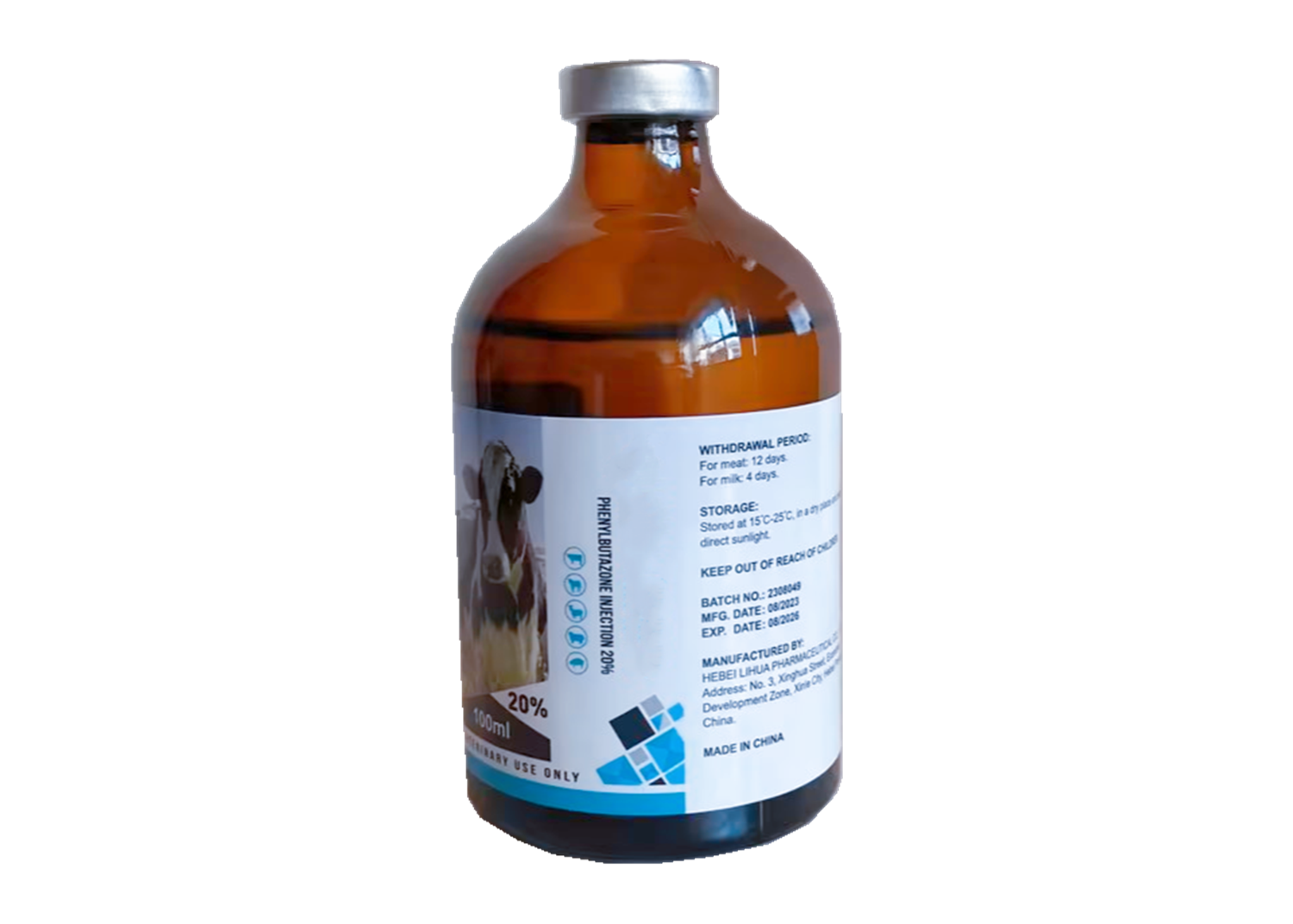
1.Product Name:Phenylbutazone Injection
2.Specification:20% 100ml
3.Packing:1 bottle/box
4.Shelf Life: 36 months
5.Registration documents are available.
If you are interested in our products, please feel free to contact us.
AI Product Description
*The following content is generated by AI and is for reference only.
Phenylbutazone injection is a potent non-steroidal anti-inflammatory drug (NSAID) primarily utilized in veterinary medicine, specifically for the treatment of acute and chronic inflammatory conditions in large animals such as horses and cattle. It belongs to the pyrazolone class of compounds and functions by inhibiting cyclooxygenase enzymes, thereby reducing the synthesis of prostaglandins that mediate pain, fever, and inflammation. The product is formulated as a sterile solution intended for intravenous or deep intramuscular administration, offering rapid onset of action for severe clinical presentations like laminitis, arthritis, or post-surgical swelling.
The chemical identity of this active ingredient is well-established. Its molecular formula is C19H20N2O2, reflecting its structure as 4-butyl-1,2-diphenylpyrazolidine-3,5-dione. The Substance Registry Services assign it the CAS number 50-33-9, which serves as a unique identifier for regulatory compliance, safety data sheets, and pharmaceutical manufacturing records. While historically used in human medicine for gout and rheumatoid arthritis due to its efficacy, its application in humans has been severely restricted or banned in many countries, including the United States and members of the European Union, because of life-threatening adverse effects such as aplastic anemia and agranulocytosis. Consequently, current global usage is almost exclusively confined to animal health sectors where the risk-benefit ratio is carefully managed under veterinary supervision.
In equine practice, Phenylbutazone injection is a cornerstone therapy for managing musculoskeletal disorders. However, strict withdrawal periods are enforced before meat or milk consumption to prevent residue contamination in the food chain. Veterinarians must exercise caution regarding dosage, as the therapeutic window is narrow, and overdose can lead to gastric ulceration, renal toxicity, or bone marrow suppression. The injectable formulation provides a critical advantage over oral tablets when immediate systemic delivery is required or when oral absorption is compromised. Despite its powerful analgesic and anti-inflammatory properties, the drug requires rigorous monitoring of blood parameters during prolonged treatment regimens. As research continues into safer alternatives, Phenylbutazone remains a vital tool in veterinary pharmacology, balancing significant therapeutic benefits against known risks through disciplined clinical stewardship and adherence to international safety guidelines.





 (All Rights Reserved)