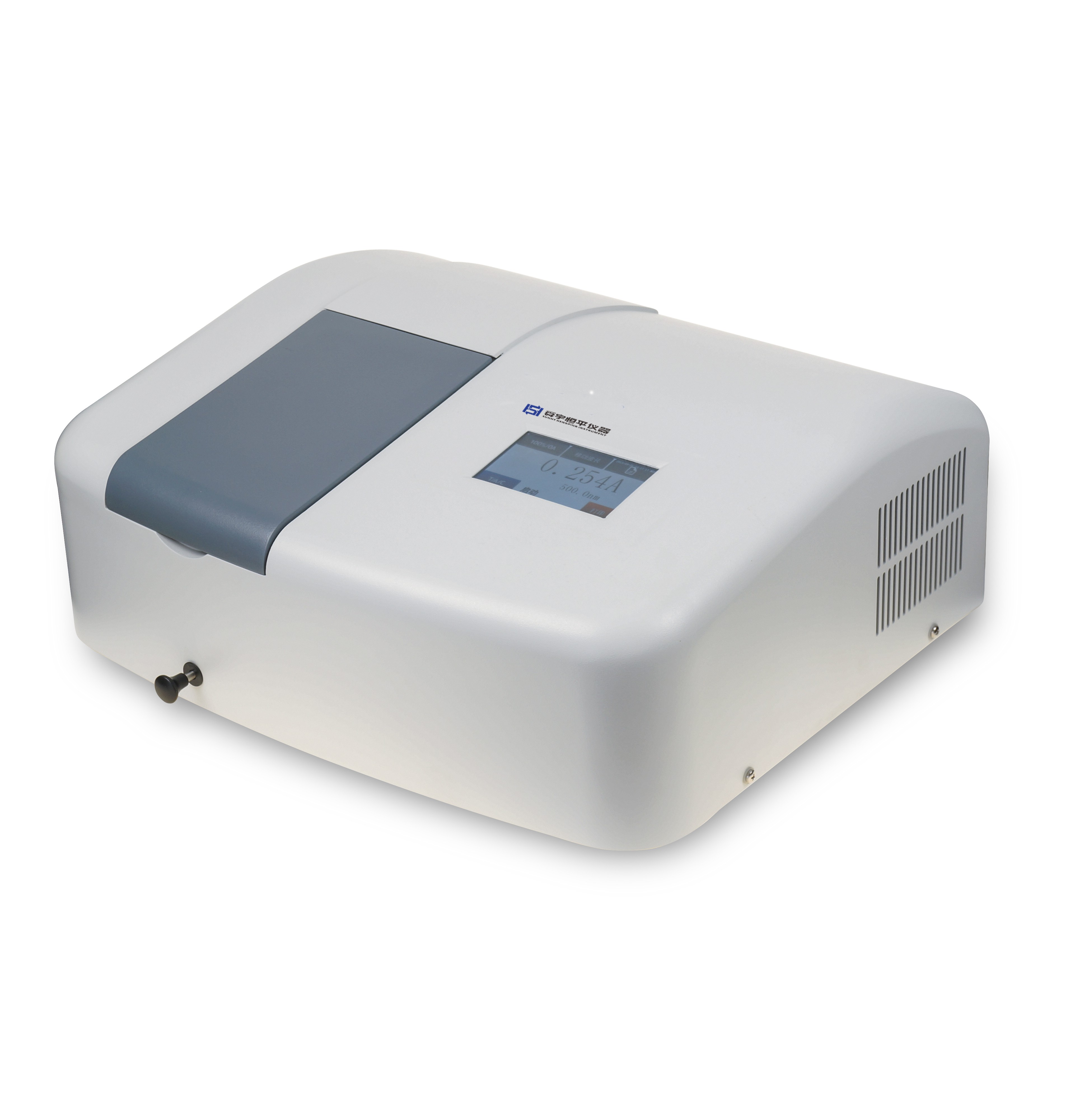
Product Description
Specification
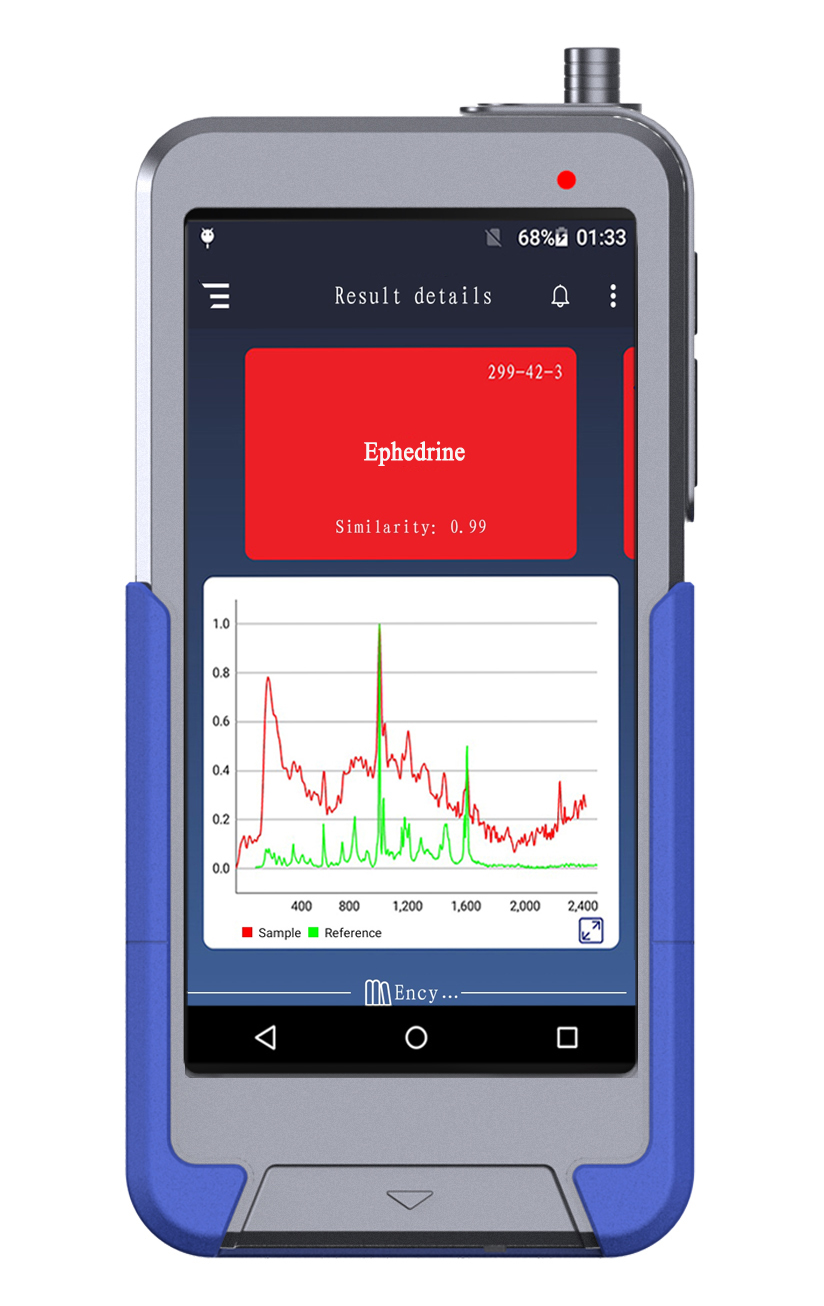
Laser Wavelength | 1064nm |
Laser Output Power | ≤500mW |
Spectral Range | 200-2500cm-1 |
Spectral Resolution | <14cm-1@1262.339nm |
Connectivity | Bluetooth and Wifi |
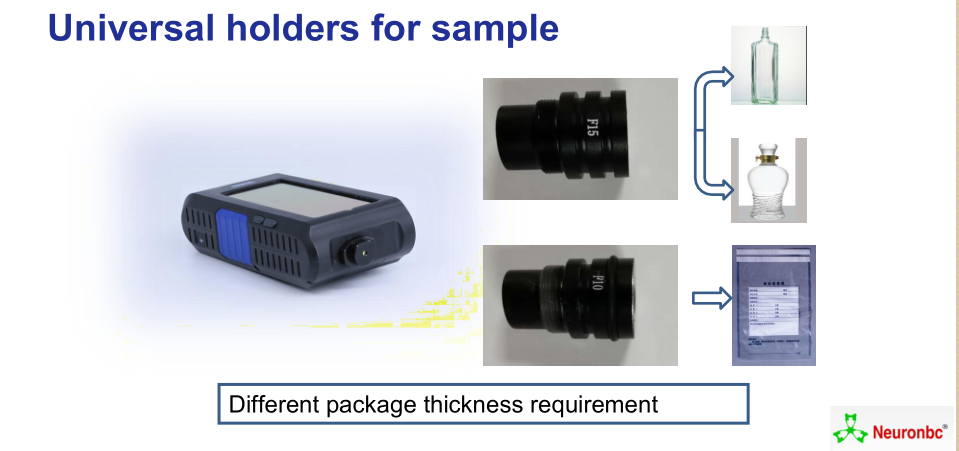
Collection | Optics 10mm and 15mm focus lens |
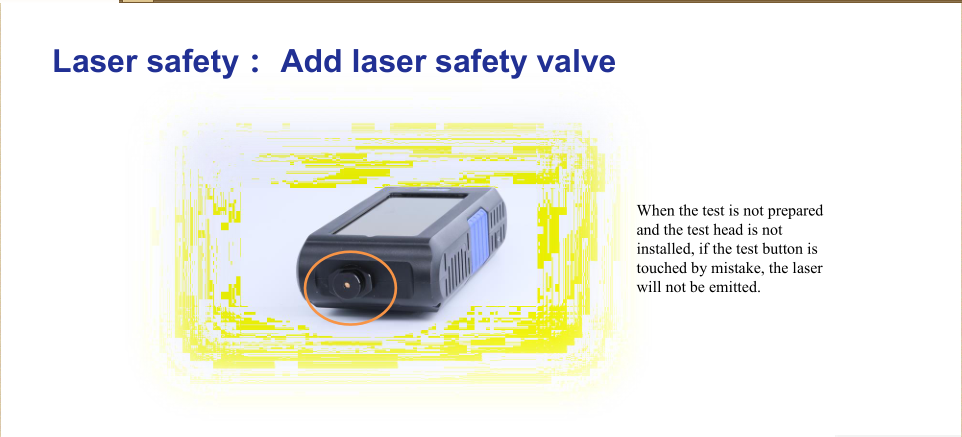
Laser Class | Class 3B |
Weight | 1.2Kg |
Size | 19.8*9.9*5.2cm |
AI Product Description
*The following content is generated by AI and is for reference only.
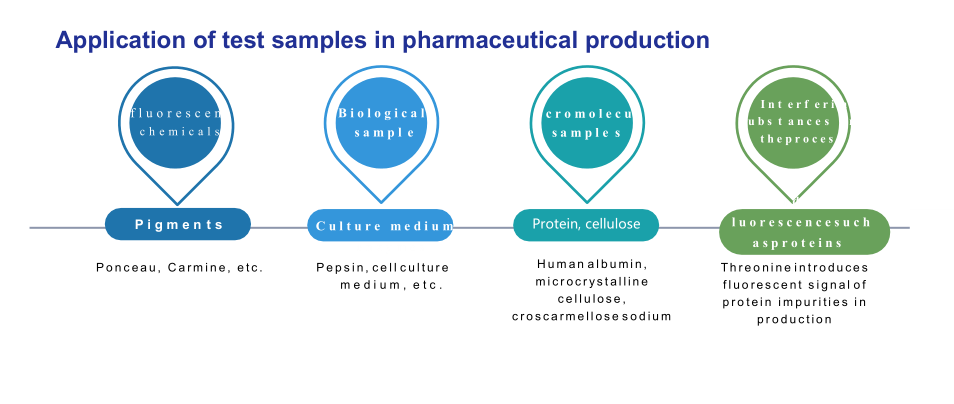
Raman spectroscopy has emerged as a transformative analytical technique within the pharmaceutical industry, specifically for characterizing raw materials with non-destructive precision. This technology utilizes inelastic light scattering to generate unique molecular fingerprints, enabling rapid identification and verification of active pharmaceutical ingredients (APIs) and excipients without requiring sample preparation or causing any damage to the material. Its primary application lies in quality control laboratories where speed and accuracy are paramount; it allows manufacturers to confirm the identity of incoming bulk powders against reference standards, ensuring compliance with strict regulatory guidelines such as those from the FDA and EMA. Beyond simple identification, Raman systems excel in distinguishing between different polymorphic forms, which is critical because crystal structure variations can significantly alter drug solubility, stability, and bioavailability. Furthermore, these instruments facilitate real-time monitoring during manufacturing processes, supporting Quality by Design (QbD) initiatives by providing immediate feedback on blend uniformity and content homogeneity.
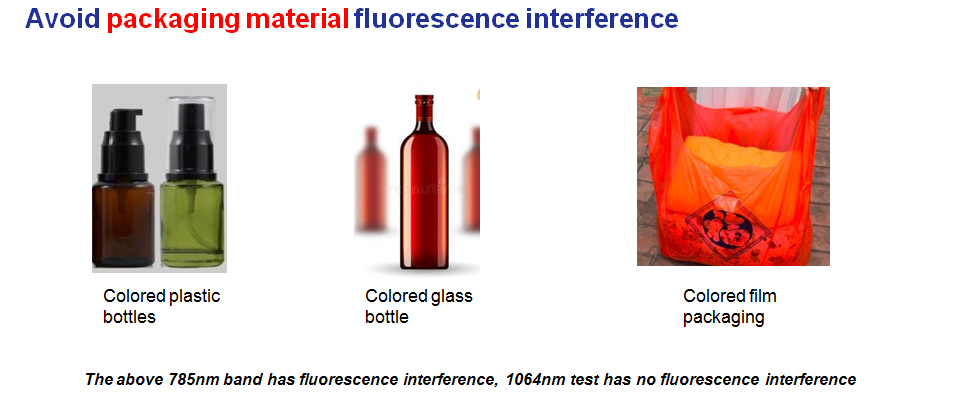
Despite its robust capabilities, several operational precautions must be observed to ensure data integrity and safety. First, fluorescence interference remains a significant challenge, particularly when analyzing colored samples or those containing certain impurities; selecting an appropriate laser wavelength, often near-infrared, can mitigate this issue effectively. Second, while generally safe, high-power lasers require standard eye protection protocols and strict adherence to safety interlocks to prevent accidental exposure. Operators should also ensure that samples are properly positioned to avoid localized heating, which could potentially degrade thermally sensitive compounds. Additionally, the system requires regular calibration using standard reference materials to maintain measurement consistency over time. Proper environmental control, including stable temperature and humidity levels, is essential to minimize spectral drift. Finally, users must adhere to specific cleaning procedures for optical components to prevent contamination that could skew results. By integrating these best practices, pharmaceutical facilities can leverage Raman spectroscopy to enhance product quality, reduce waste, and accelerate time-to-market for new therapies.





 (All Rights Reserved)