Product Description
AI Product Description
*The following content is generated by AI and is for reference only.
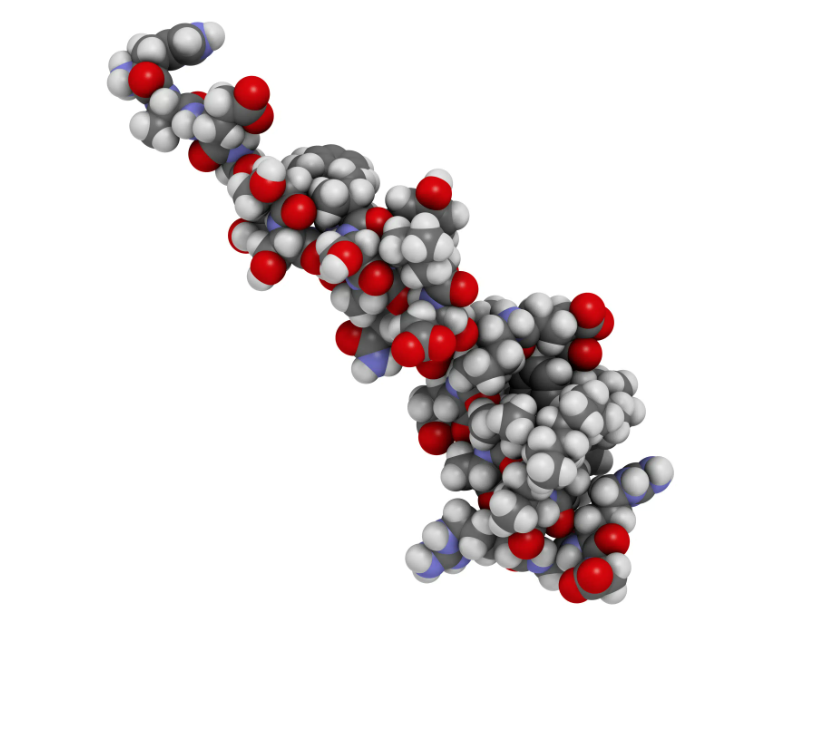
Peptides are short chains of amino acids linked by peptide bonds, serving as fundamental building blocks for proteins and playing critical roles in biological processes. Generally defined as oligomers containing between two and fifty amino acid residues, they act as signaling molecules, hormones, neurotransmitters, and antibiotics within living organisms. The molecular formula varies significantly depending on the specific sequence and composition of the constituent amino acids; for instance, a simple dipeptide like glycylglycine has the formula C4H8N2O3, while larger therapeutic peptides can possess complex formulas involving hundreds of atoms. There is no single CAS number for "peptides" as a general category because each unique sequence represents a distinct chemical entity with its own specific identifier. For example, oxytocin carries CAS 50-56-6, whereas insulin has multiple entries depending on the source.
In the pharmaceutical industry, synthetic peptides are highly valued for their specificity and efficacy in treating chronic conditions such as diabetes, cancer, and obesity. They function as agonists or antagonists targeting specific receptors, offering a targeted approach that often minimizes side effects compared to traditional small-molecule drugs. Beyond medicine, peptides are extensively utilized in cosmetic formulations for their anti-aging properties, stimulating collagen production and improving skin elasticity. In agricultural research, they contribute to developing biopesticides and growth regulators. Furthermore, in scientific research laboratories, custom-synthesized peptides are indispensable tools for studying protein-protein interactions, mapping epitopes for antibody development, and validating drug targets. Their synthesis relies on advanced solid-phase peptide synthesis (SPPS) techniques, allowing for precise control over sequence and purity. As biotechnology advances, the demand for novel peptide-based therapeutics continues to surge, driven by the potential to address previously undruggable targets. Consequently, peptides represent a versatile and dynamic class of compounds bridging chemistry, biology, and clinical application, shaping the future of precision medicine and biopharmaceutical innovation.









 (All Rights Reserved)