Product Description
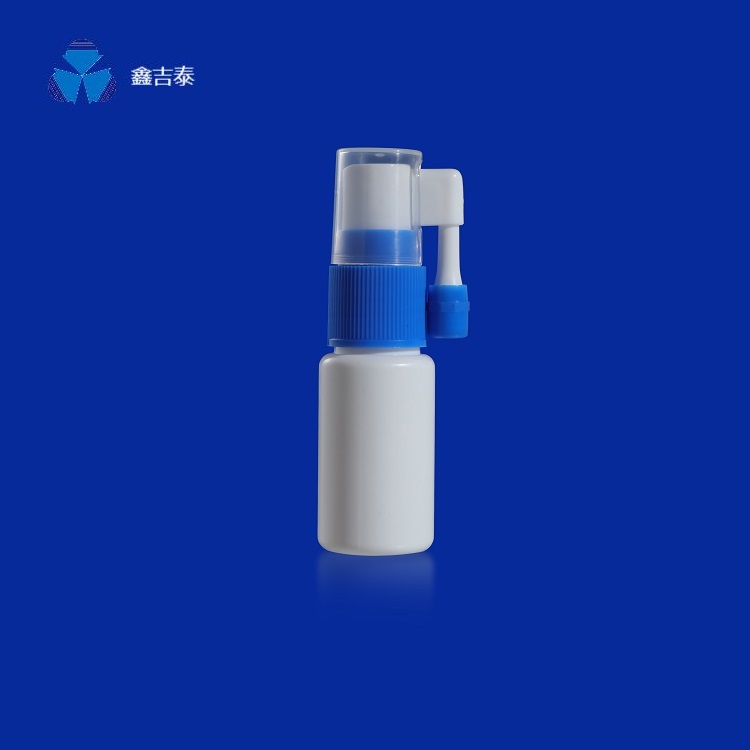
YY010-12 Height:41.00 diameter:24.10 capacity:12ML Chongqing Xinjitai Pharmaceutical Sprayer&Pump Co.,Ltd 1.27years in manufacturing sprayers 2.30% Chinese market 3.50% of Chinese top-100 pharma 4. Purification workshop of 10, 000 level 5. Packaging for GMP (ISO 15378) 6. Over 100 million of annual production 7. Own mould making 8. Strong R&D for special request, 9.market management xjtsprayer@xinjitai-jp.com Mob:+86-013510688512 Whatsapp:86+13510688512 LINE:medicinalpackaging
AI Product Description
*The following content is generated by AI and is for reference only.
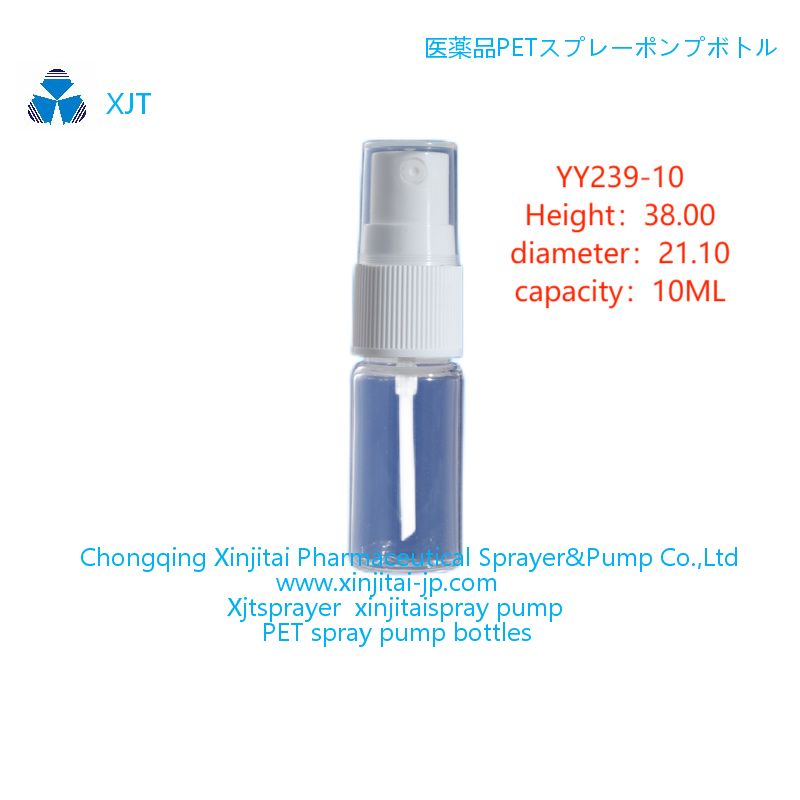
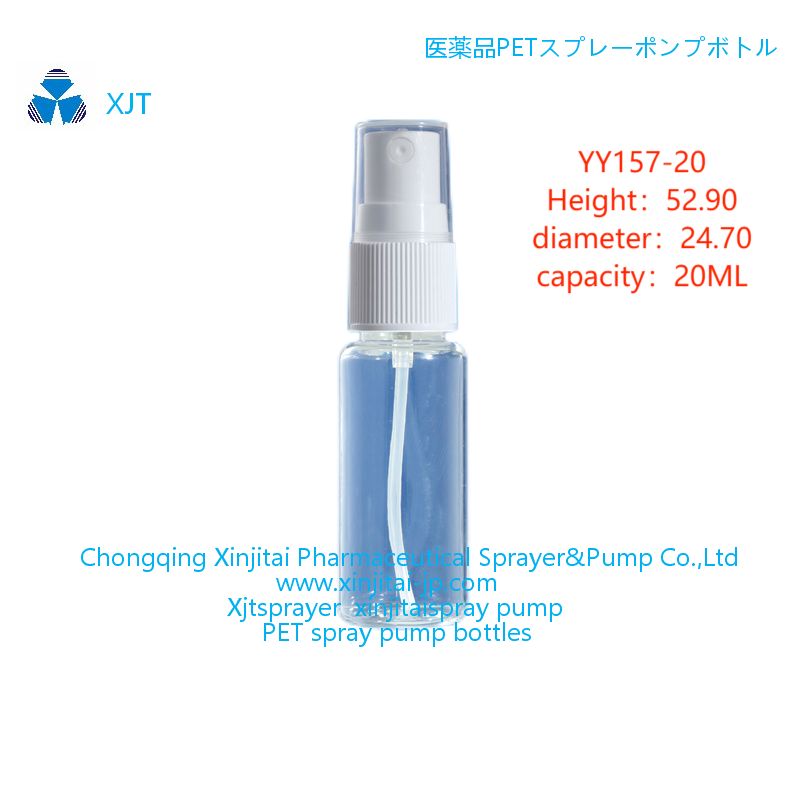
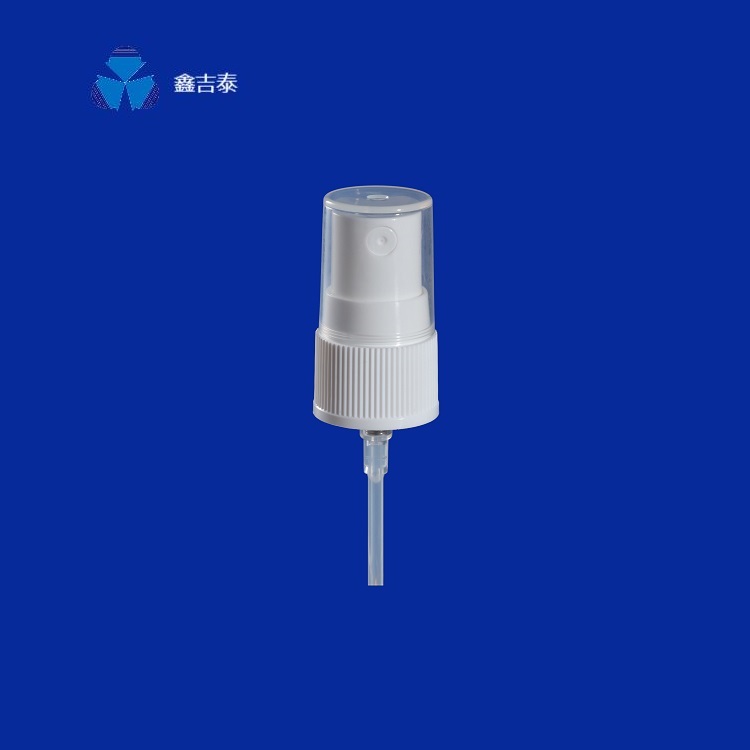
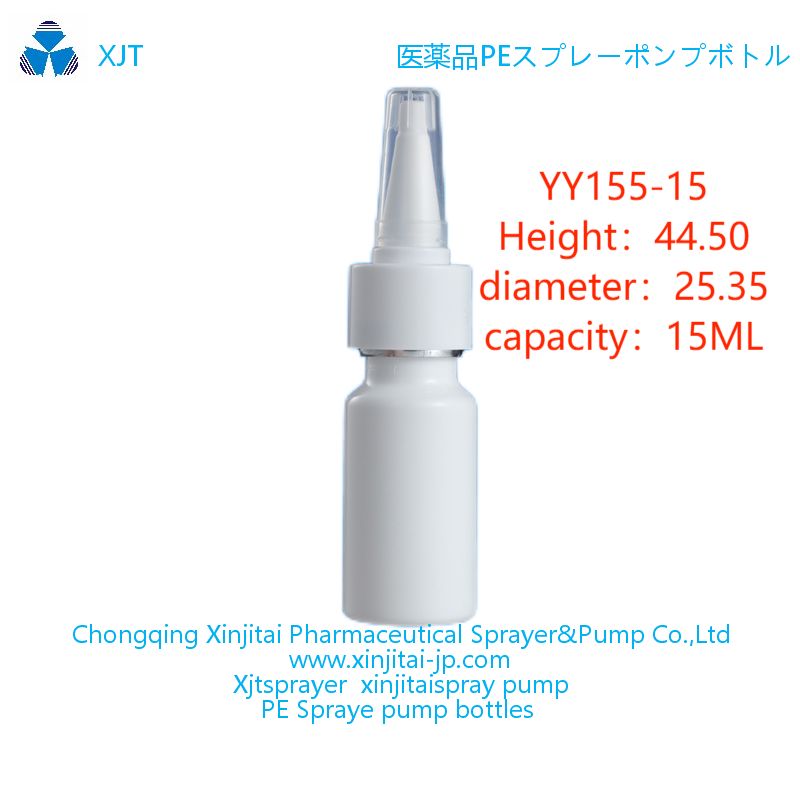
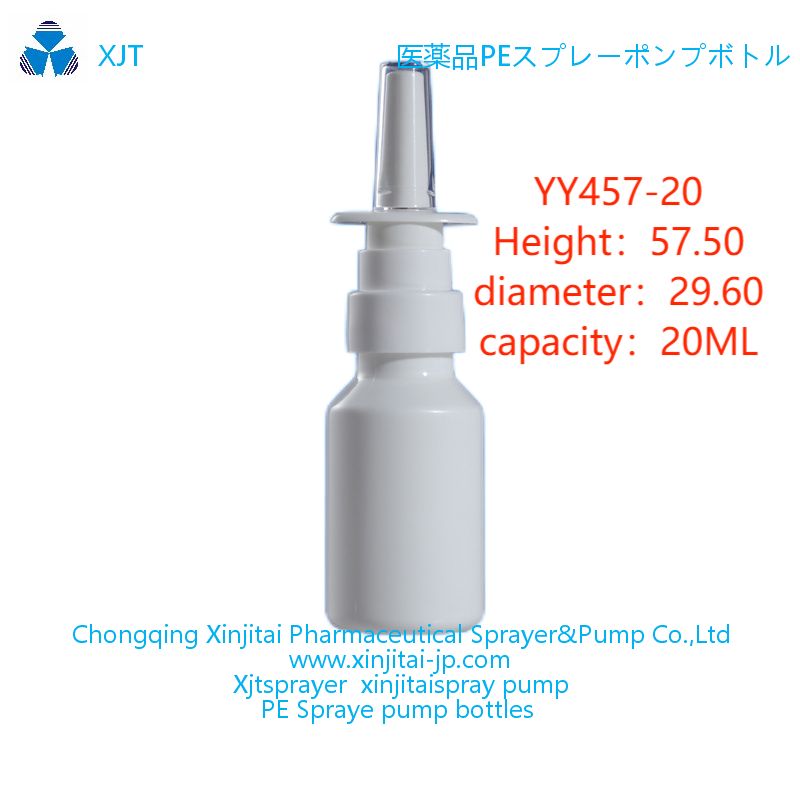
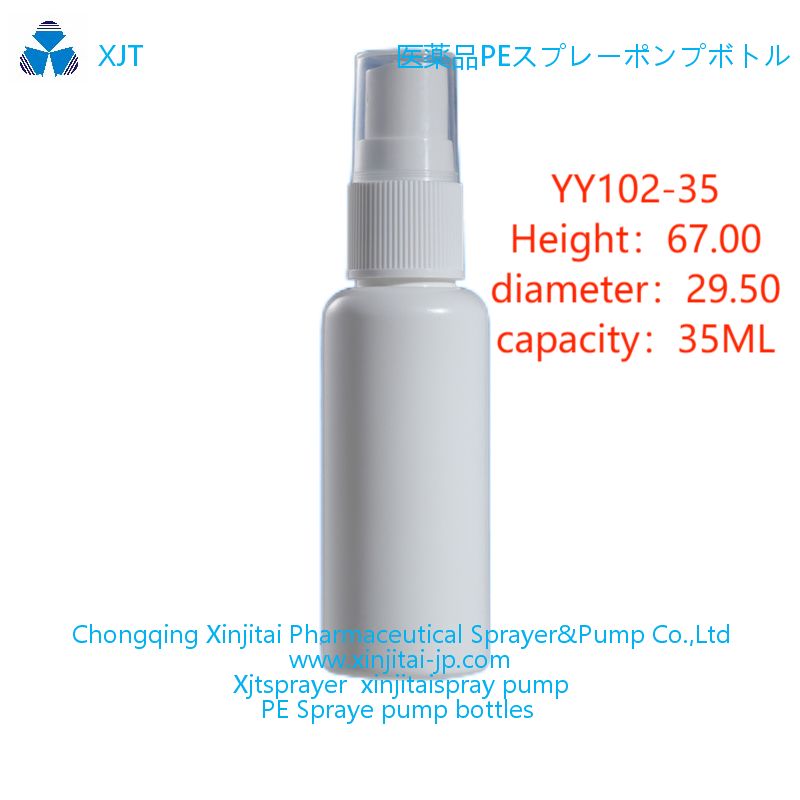
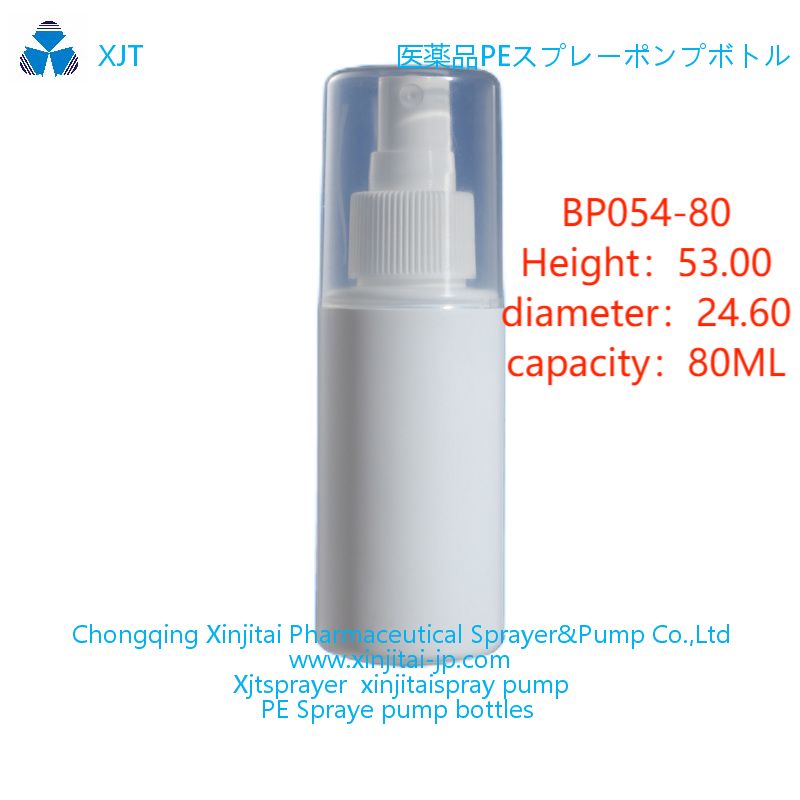
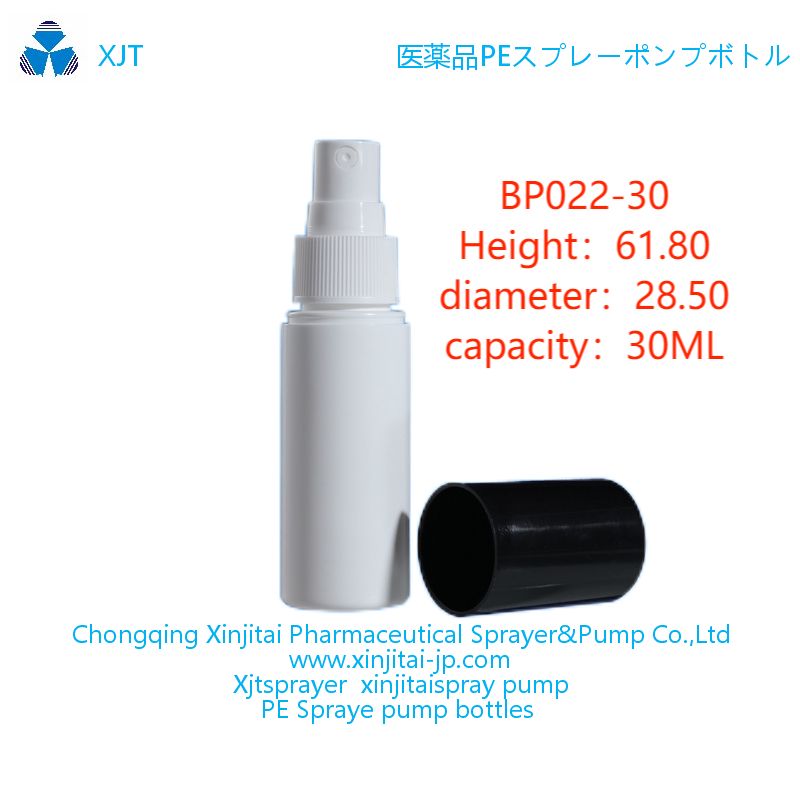
PE plastic spray bottles equipped with nasal, throat, and topical pump mechanisms are versatile dispensing solutions designed for precise application of liquid formulations. Primarily constructed from durable polyethylene, these bottles offer excellent chemical resistance, ensuring compatibility with a wide range of active ingredients including saline solutions, medicated sprays, essential oils, and cosmetic toners. The ergonomic pump heads allow users to deliver a consistent mist or fine jet, making them ideal for targeted delivery to sensitive areas such as the nasal passages, throat, or specific skin regions.
These containers are widely utilized in healthcare, pharmaceutical, and personal care industries. In medical settings, they facilitate the administration of decongestants, allergy relievers, and antiseptic throat sprays, providing patients with accurate dosages without waste. For cosmetic purposes, they serve as effective carriers for facial mists, aloe vera gels, and hair treatments, ensuring hygienic and mess-free application. The lightweight nature of PE material makes them portable and convenient for travel, while their robust construction prevents leakage during transit.
However, several precautions must be observed to ensure safety and product integrity. First, always verify that the bottle is compatible with the specific chemical composition of the liquid being stored, as certain solvents may degrade the plastic over time. Second, strictly adhere to hygiene protocols; pumps should never be shared between individuals to prevent cross-contamination and the spread of infection. Third, avoid exposing the bottles to extreme temperatures or direct sunlight, which can compromise the structural integrity of the plastic and affect the stability of the formula inside. Additionally, users should regularly inspect the nozzle for clogs or damage, cleaning it gently with warm water if necessary, though harsh chemicals should be avoided unless specified by the manufacturer. Proper disposal according to local recycling guidelines is also recommended to minimize environmental impact. By following these usage guidelines, consumers can maximize the efficacy and lifespan of these essential dispensing tools.





 (All Rights Reserved)