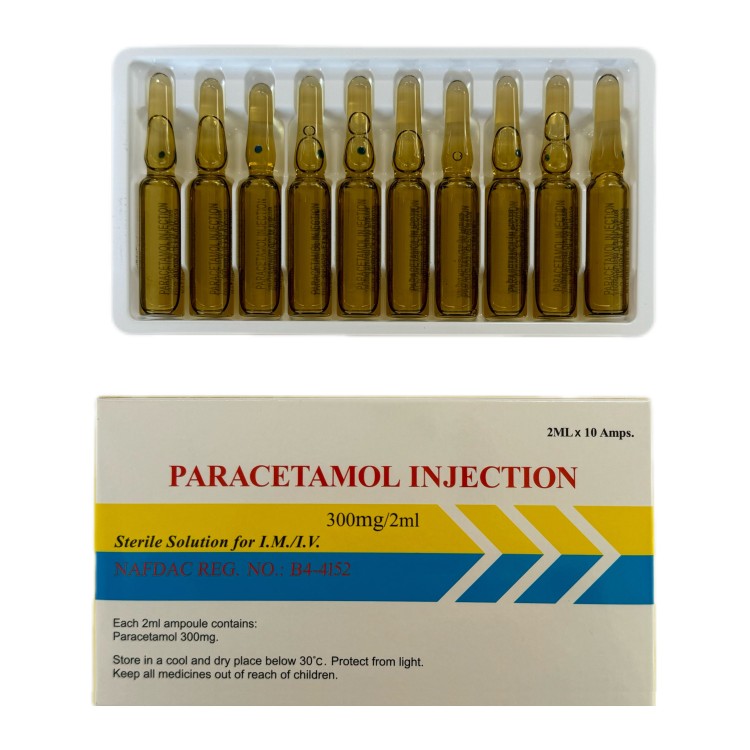
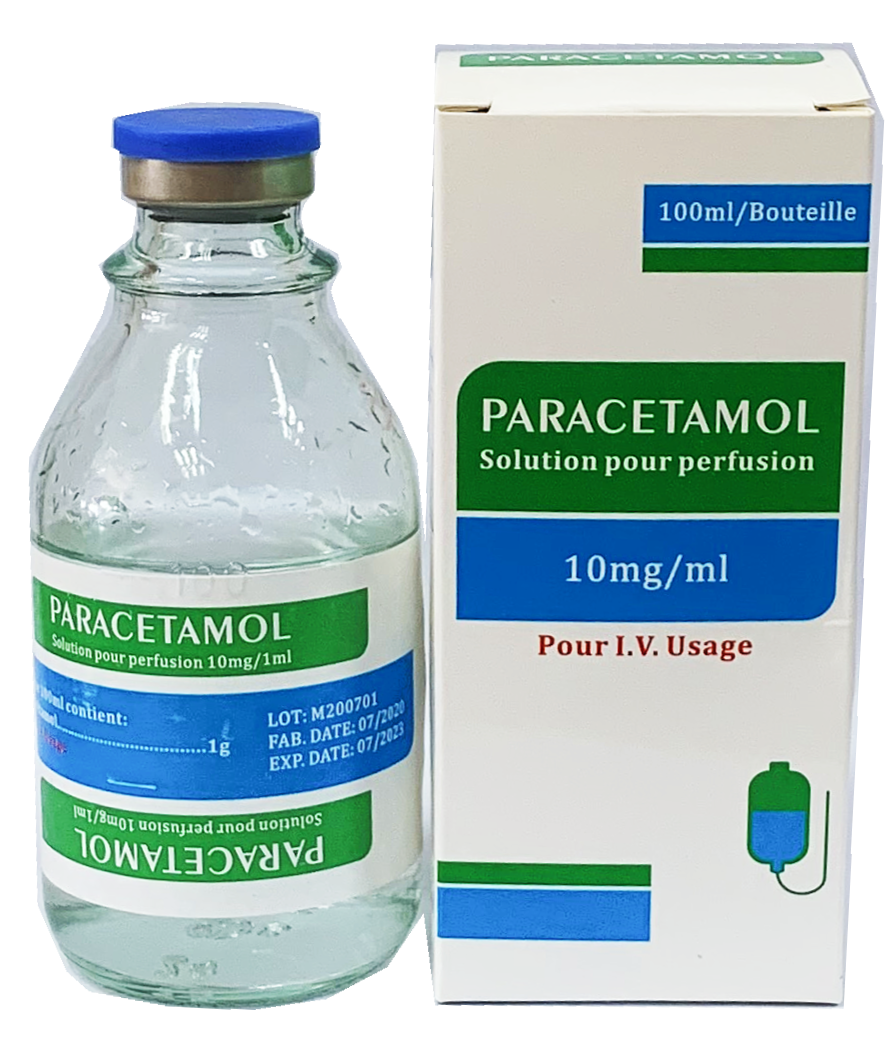
Paracetamol injection is indicated for:
• the management of mild to moderate pain in adult and pediatric patients 2 years and older.
• the management of moderate to severe pain with adjunctive opioid analgesics in adult and pediatric patients 2 years and older.
• the reduction of fever in adult and pediatric patients.
*The following content is generated by AI and is for reference only.
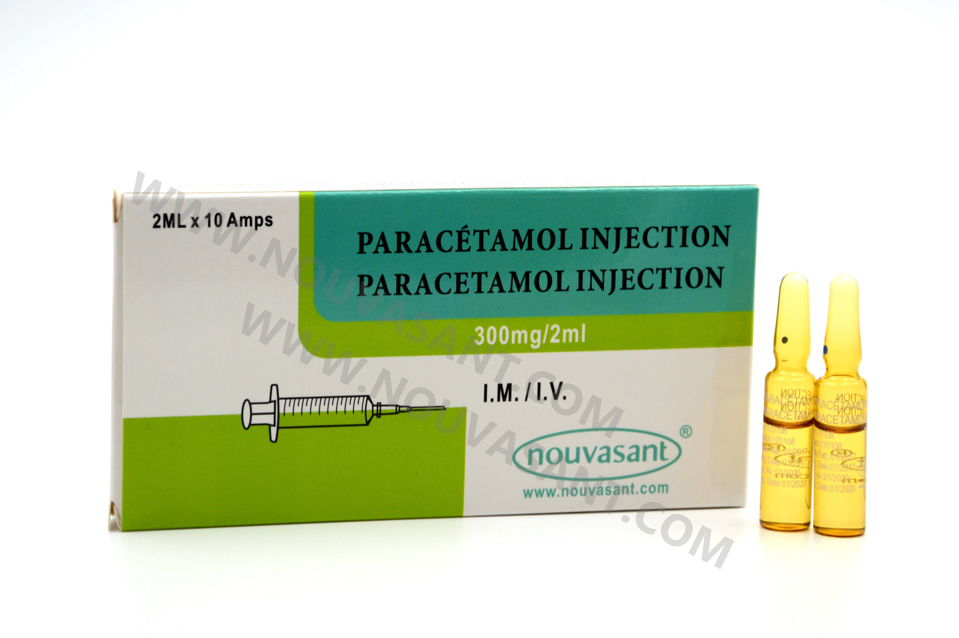
Paracetamol injection 300mg/2ml is a sterile, parenteral formulation of paracetamol (also known as acetaminophen), primarily indicated for the management of moderate to severe pain and the reduction of high fever in adult patients. This intravenous preparation offers a rapid onset of action compared to oral formulations, making it particularly valuable in clinical settings where patients cannot swallow medications, are undergoing surgery, or require immediate analgesic effects. The product acts centrally within the brain to inhibit prostaglandin synthesis, thereby alleviating pain and lowering body temperature without significant anti-inflammatory properties at therapeutic doses.
The standard administration involves slow intravenous infusion over at least five minutes to minimize the risk of adverse reactions such as hypotension or flushing. It is crucial to adhere strictly to recommended dosage limits, typically not exceeding 4 grams per day for adults, to prevent hepatotoxicity. Patients with pre-existing liver impairment, severe renal dysfunction, or those consuming alcohol regularly require careful dose adjustments and close monitoring. Hypersensitivity to paracetamol or any excipients in the solution constitutes an absolute contraindication.
Special caution is advised when administering this medication to elderly patients or those with low body weight, as their metabolic capacity may be reduced. Concurrent use with other hepatotoxic drugs or medications containing paracetamol must be avoided to prevent accidental overdose. While generally well-tolerated, potential side effects include skin rashes, nausea, vomiting, and rare but serious cases of blood dyscrasias or severe cutaneous reactions like Stevens-Johnson syndrome. Healthcare providers should ensure adequate hydration and monitor liver function tests during prolonged therapy. This injectable form serves as a vital alternative for acute care environments, bridging the gap between emergency stabilization and transition to oral maintenance therapy, ensuring effective symptom control while prioritizing patient safety through strict adherence to clinical guidelines.





 (All Rights Reserved)