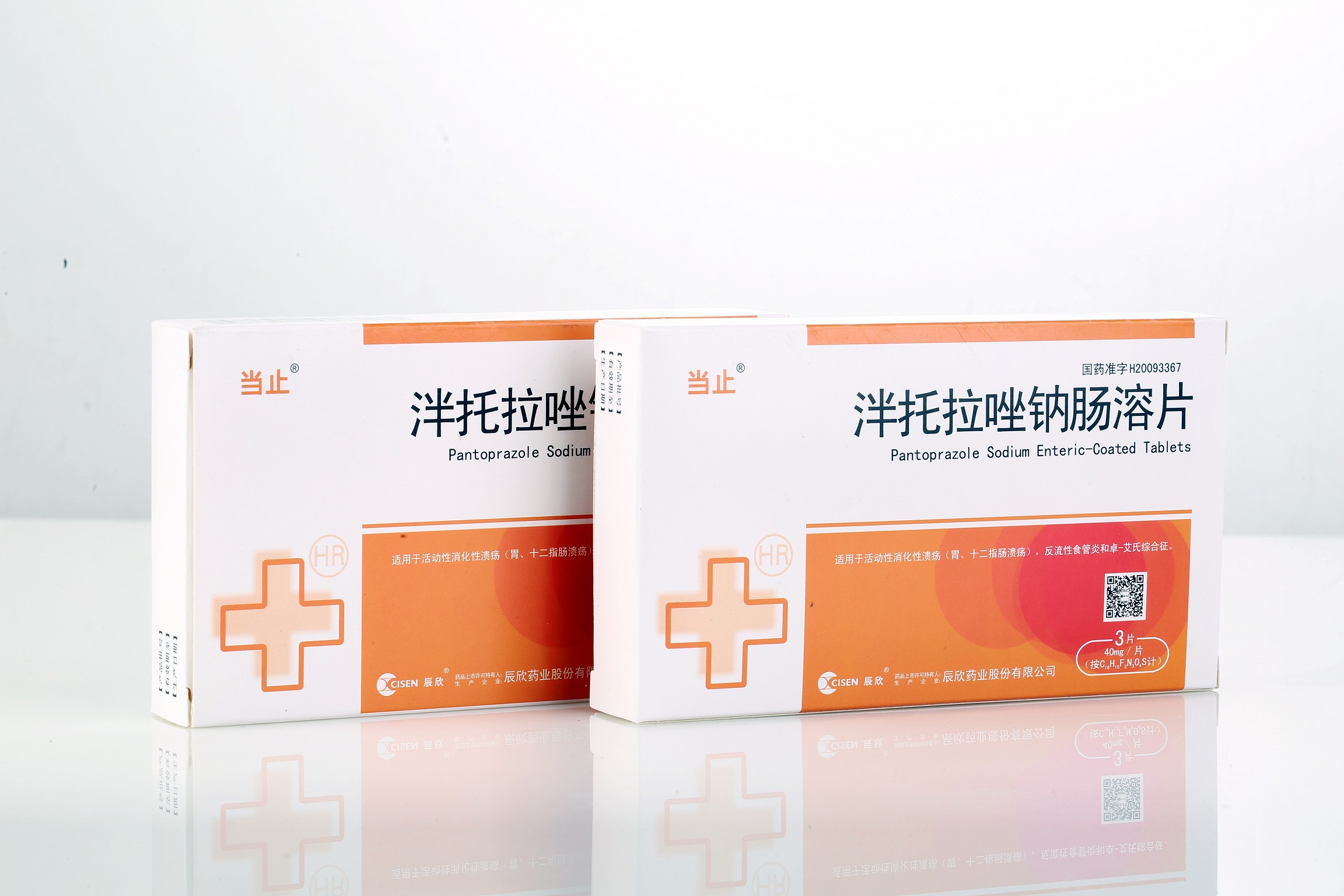
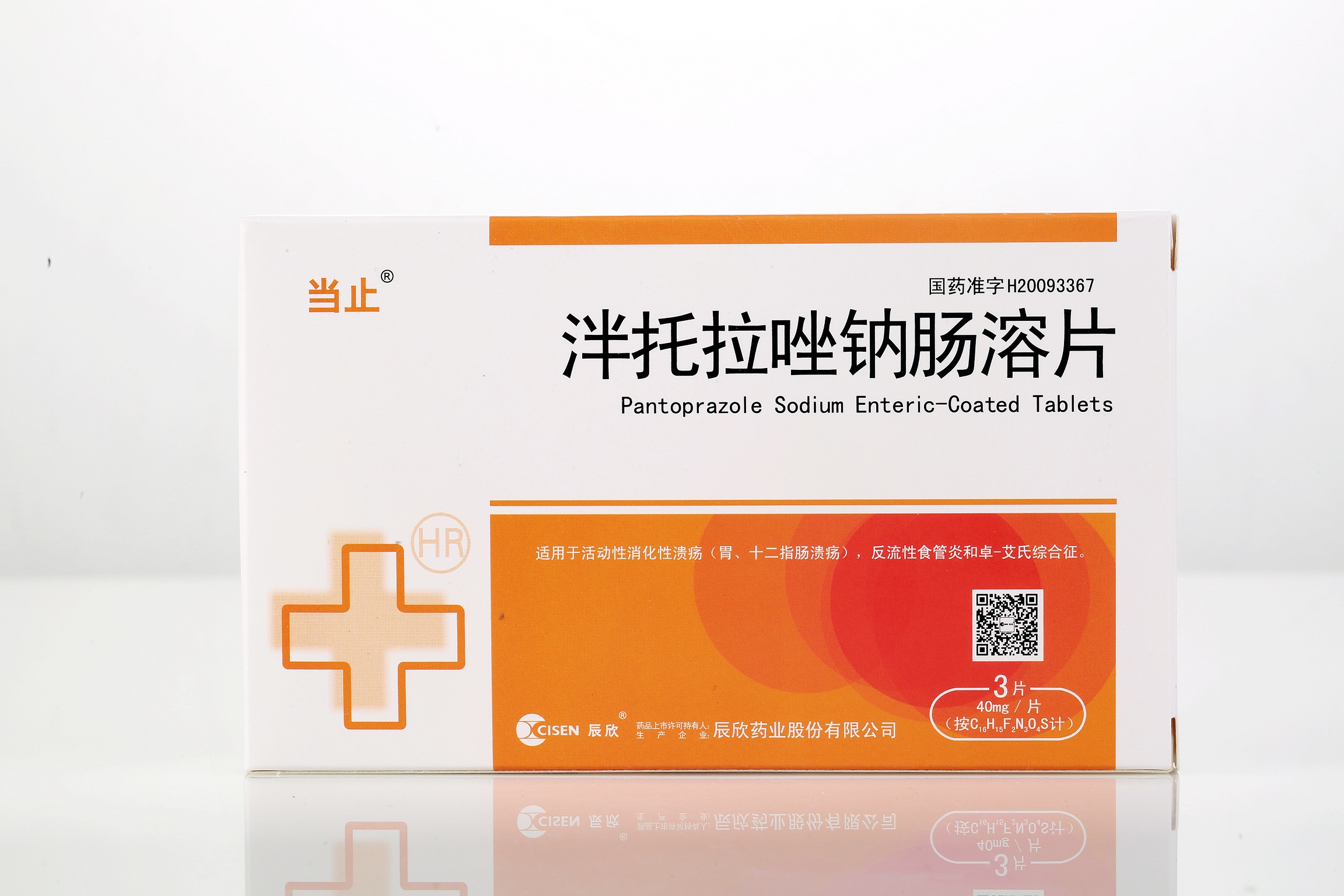
Pantoprazole sodium enteric-coated tablet is a digestive system medication for patients with active peptic ulcers (gastric and duodenal ulcers), reflux esophagitis, and Zeuppel-Ayers syndrome.This product belongs to the class of drugs that inhibit the secretion of gastric acid, and has the effect of strongly inhibiting the secretion of gastric acid, so as to exert its efficacy.
specification: 40mg(by C16H15F2N3O4S)
*The following content is generated by AI and is for reference only.
Pantoprazole Sodium Enteric-Coated Tablets are a widely prescribed medication belonging to the class of proton pump inhibitors (PPIs). These tablets are specifically designed to reduce the amount of acid produced in the stomach, offering effective relief for various gastrointestinal disorders. The enteric coating is a critical feature, ensuring the drug remains intact as it passes through the acidic environment of the stomach and dissolves only upon reaching the more neutral pH of the small intestine. This mechanism protects the active ingredient from degradation by gastric acid and minimizes local irritation to the stomach lining.
The primary medical indications for Pantoprazole include the treatment of gastroesophageal reflux disease (GERD), where it helps heal erosive esophagitis and manage symptoms like heartburn and acid regurgitation. It is also utilized for the short-term healing of duodenal ulcers, the management of Zollinger-Ellison syndrome characterized by excessive gastric acid secretion, and in combination with antibiotics to eradicate Helicobacter pylori infections. Furthermore, it plays a vital role in preventing non-steroidal anti-inflammatory drug (NSAID)-induced gastric ulcers in patients at high risk.
Patients should adhere strictly to the prescribed dosage, typically taken once daily before a meal, usually in the morning. The tablets must be swallowed whole with water; crushing, chewing, or splitting them can destroy the enteric coating, rendering the medication ineffective and potentially causing stomach upset. Common side effects may include headache, diarrhea, nausea, abdominal pain, and vomiting. Long-term use requires medical supervision due to potential risks such as vitamin B12 deficiency, magnesium depletion, bone fractures, and an increased susceptibility to certain bacterial infections. Individuals with a known hypersensitivity to pantoprazole or other PPIs should avoid this medication. Pregnant or breastfeeding women, as well as those with severe liver impairment, should consult their healthcare provider before initiating therapy. Regular monitoring is recommended for patients on long-term treatment to ensure safety and efficacy.





 (All Rights Reserved)