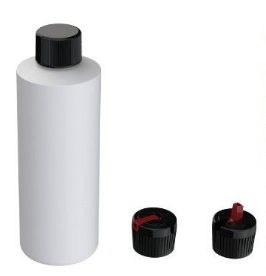
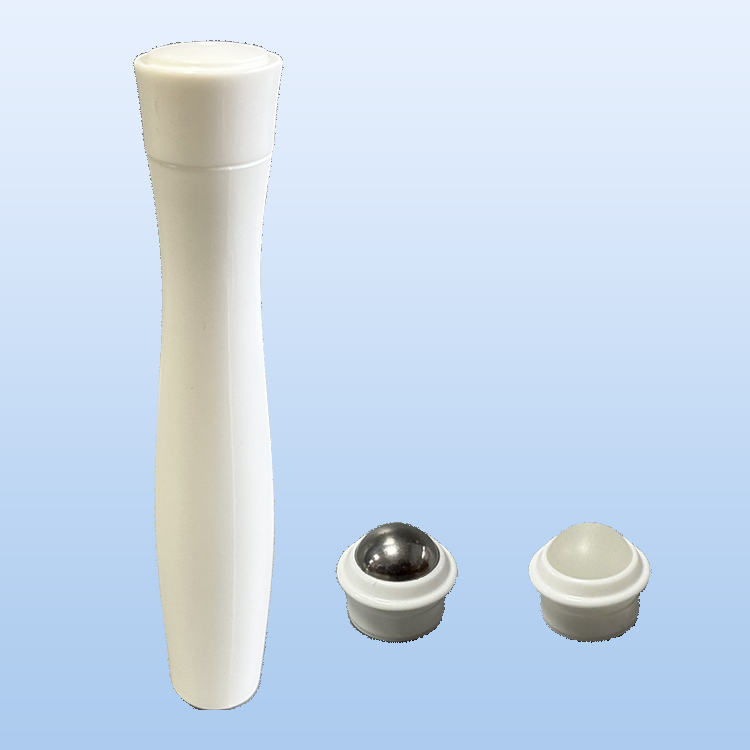
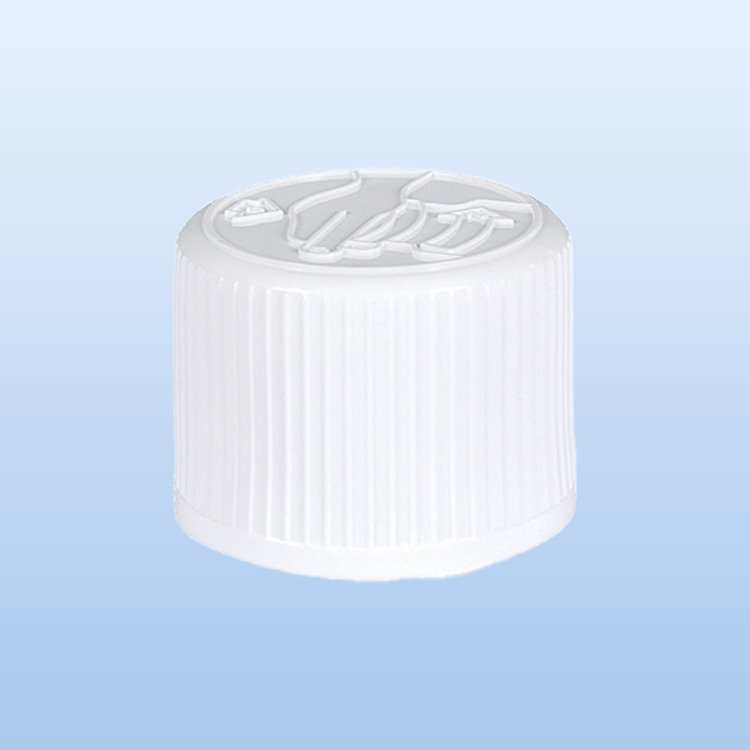
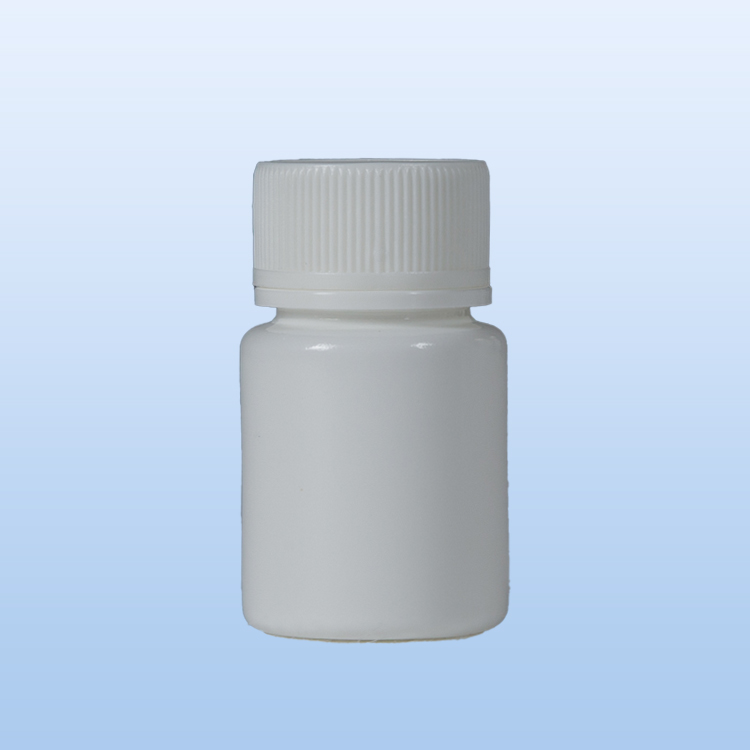
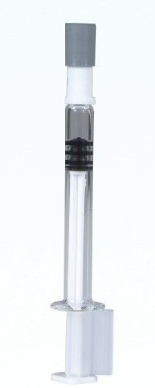
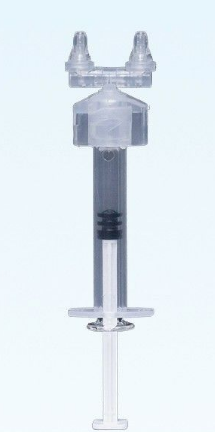
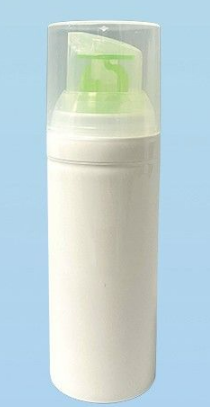
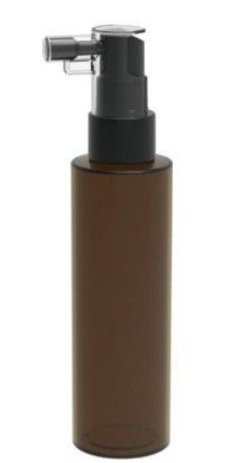
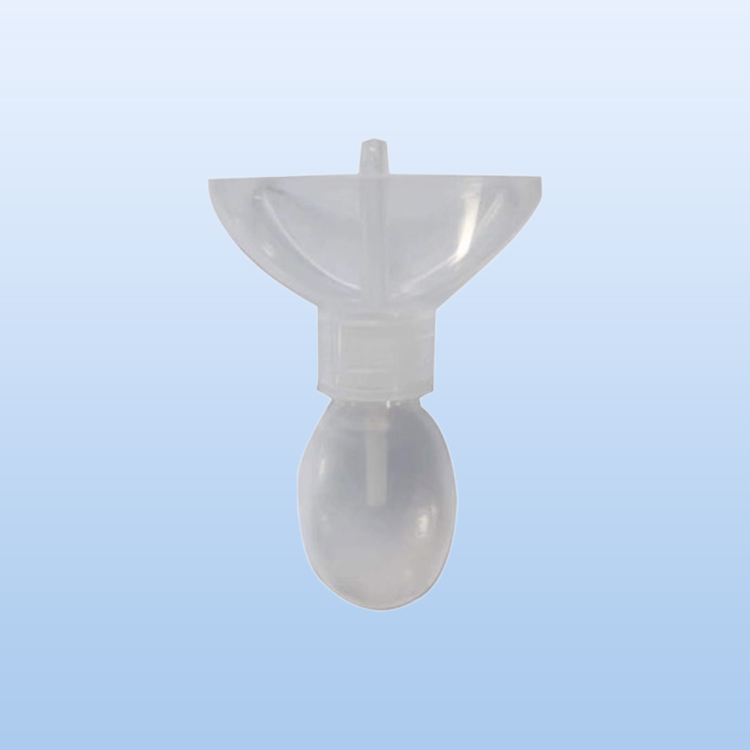
The painless nasal sampler consists of a nozzle, a one-way valve for spraying and washing,and a one-way valve for sucking back, with a spray bottle and cap.
Painless and non-invasive test, easy and fast operation, high detection rate. It can be widely used for various antigen detection and antibody Iga detection in the nasal cavity.
*The following content is generated by AI and is for reference only.
The device in question is a specialized nasal sampling tool designed for the efficient collection of respiratory specimens, primarily used in clinical diagnostics and public health surveillance. Its core function involves the gentle insertion of a flexible tip into the nasal cavity to retrieve mucosal samples containing viral or bacterial genetic material. This method serves as a less invasive alternative to traditional nasopharyngeal swabs, significantly reducing patient discomfort while maintaining high diagnostic accuracy for conditions such as influenza, SARS-CoV-2, and other upper respiratory infections. The design typically features a soft, rounded tip that minimizes trauma to the delicate nasal epithelium, making it suitable for use across diverse populations, including children and elderly patients who may have difficulty tolerating deeper sampling procedures.
In terms of application, this sampler is widely utilized in hospital settings, outpatient clinics, drive-through testing sites, and home testing kits. It facilitates rapid point-of-care testing by enabling quick specimen retrieval that can be immediately processed using PCR or antigen-based assays. The ergonomic handle ensures precise control during insertion, allowing healthcare professionals to obtain adequate sample volume without excessive manipulation. Furthermore, its compatibility with standard transport media tubes streamlines the laboratory workflow, ensuring sample integrity during storage and transit.
Users must adhere to strict hygiene protocols before operation. Hands should be thoroughly washed or sanitized, and gloves must be worn to prevent cross-contamination. The device is intended for single-use only; reusing the sampler poses severe risks of infection transmission and sample degradation. During insertion, users should advance the tip gently along the floor of the nasal passage rather than forcing it upward toward the skull base to avoid injury. If bleeding occurs or significant pain is experienced, the procedure should be halted immediately. Proper disposal according to biomedical waste regulations is mandatory after use. Additionally, individuals with recent nasal surgery, active epistaxis, or known nasal deformities should consult a medical professional prior to sampling. Adhering to these guidelines ensures both patient safety and the reliability of diagnostic results.



 (All Rights Reserved)