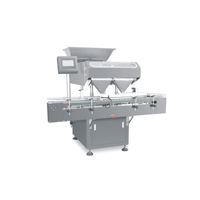
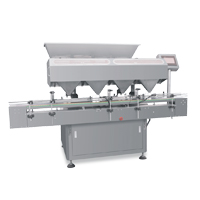
Product Description
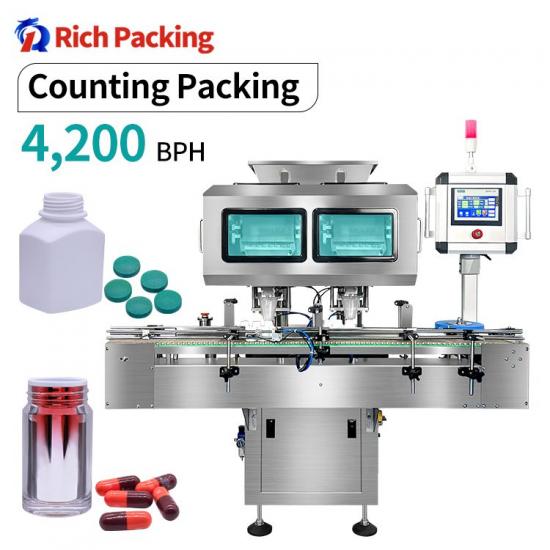
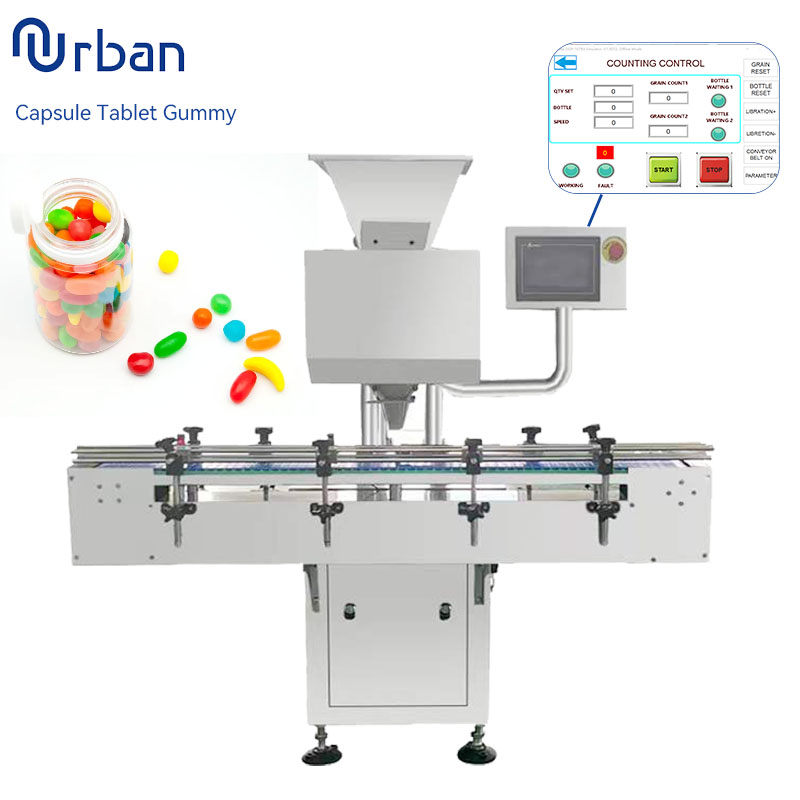
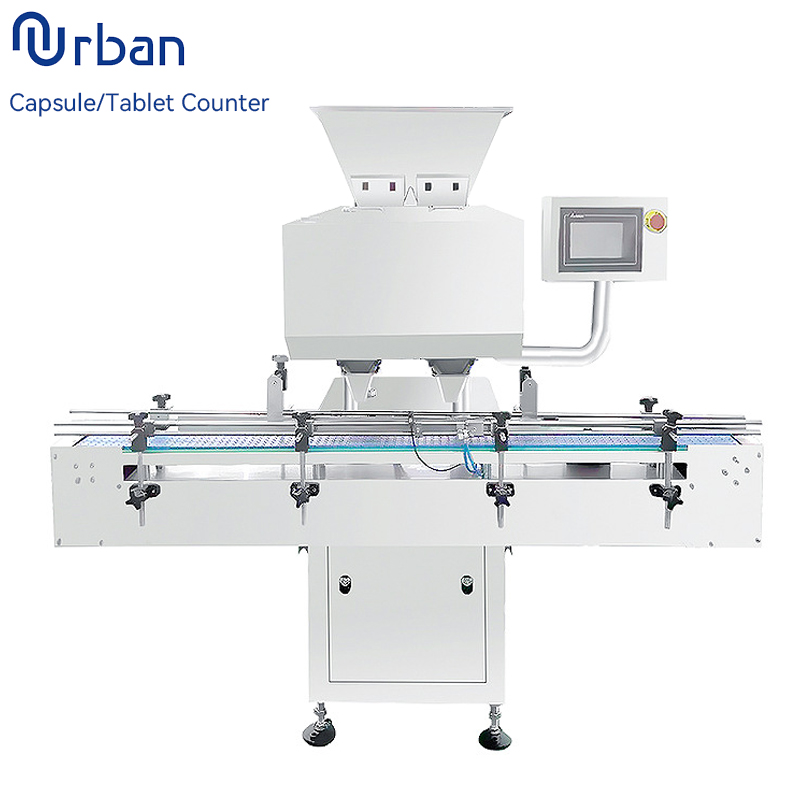
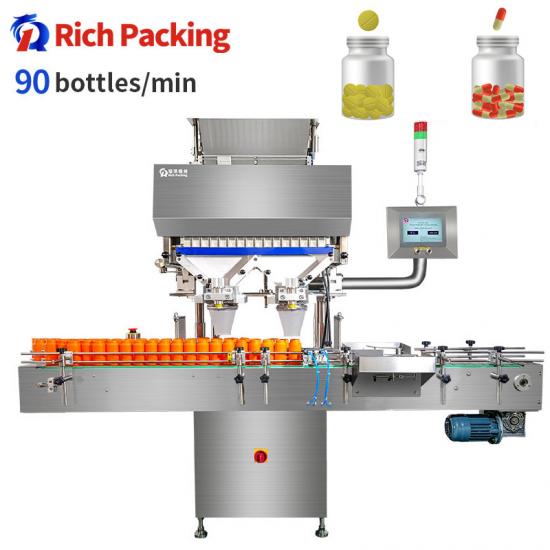
With DSL-16Pro, we can ensure 7 days on time delivery with a count accuracy rate exceeding 99.97%. The maximum speed is 90 bottles in one minute. Meanwhile, our online services team is online 24 hours a day. By our senior engineers, we can remotely support electronic counting of filling machines, handling small errors in operation and protection.
AI Product Description
*The following content is generated by AI and is for reference only.
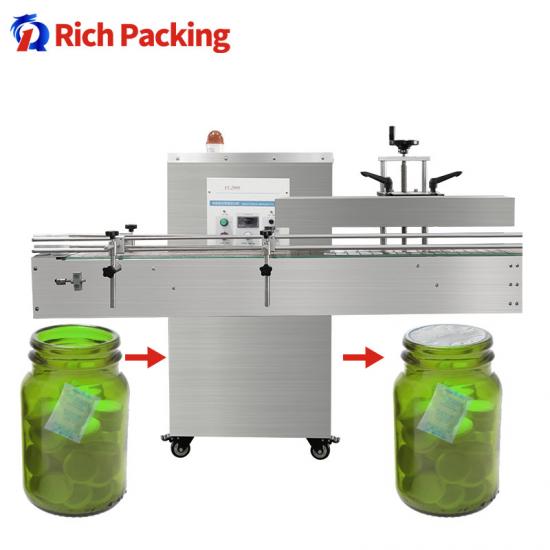
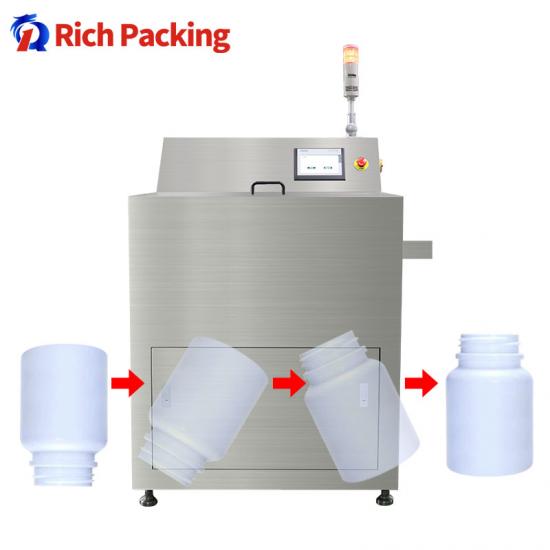
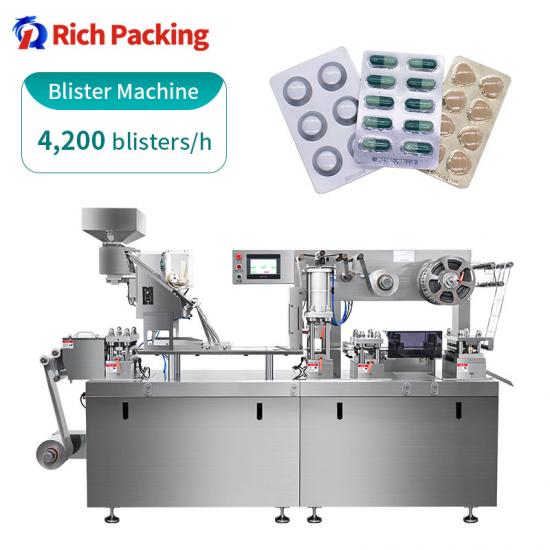
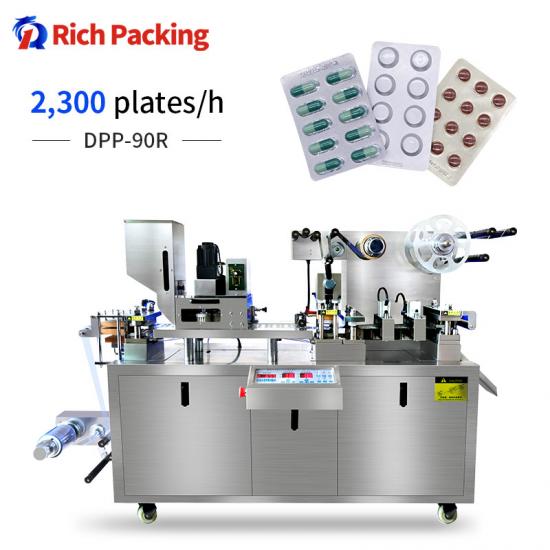
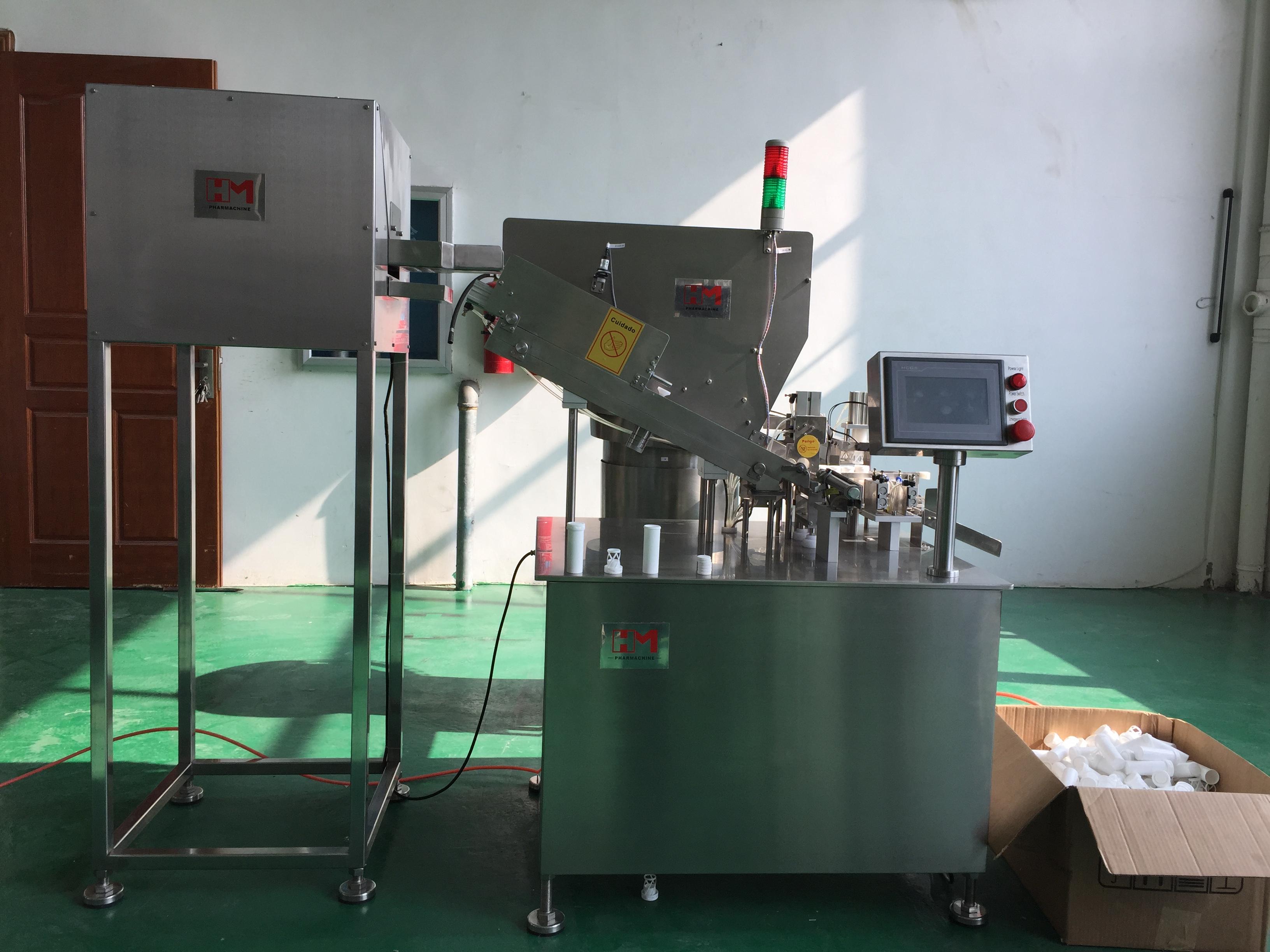
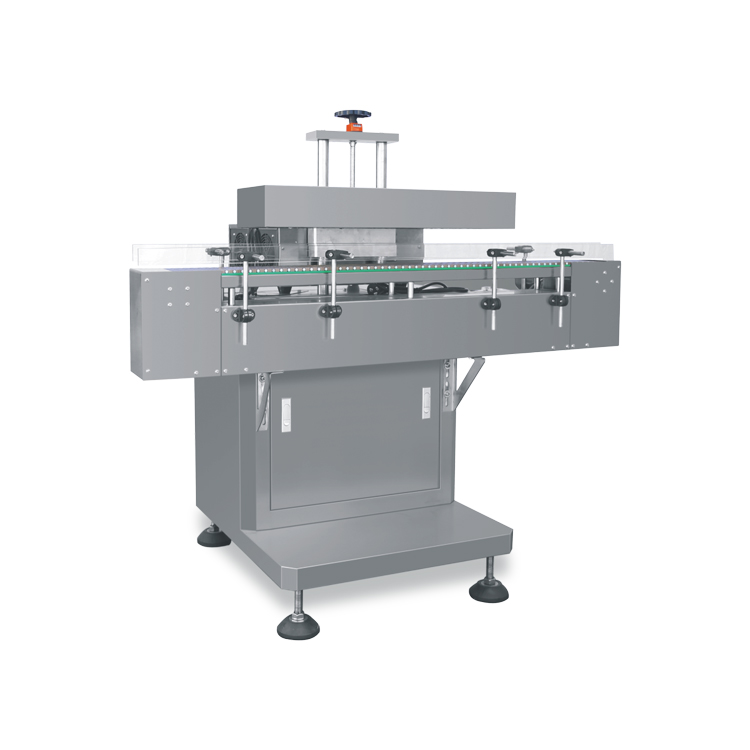
The packing capsule tablet counting and filling machine is a specialized piece of pharmaceutical equipment designed to automate the precise measurement and insertion of tablets or capsules into various packaging formats. Primarily utilized in manufacturing plants, hospitals, and compounding pharmacies, this machinery ensures high-speed production while maintaining strict quality control standards required by regulatory bodies like the FDA or EMA. The core function involves accurately counting individual units using advanced optical sensors or mechanical vibratory bowls before depositing them into blister packs, bottles, or sachets with minimal error rates.
Key operational advantages include enhanced efficiency compared to manual labor, significantly reducing human fatigue and the risk of contamination. These machines are engineered to handle diverse product sizes and shapes, offering flexibility for different formulations. However, several critical precautions must be observed during operation. First, regular calibration is essential to maintain counting accuracy; even minor sensor drift can lead to under-filled or over-filled packages, resulting in costly waste or compliance violations. Second, operators must ensure that the equipment is thoroughly cleaned and sanitized between batches to prevent cross-contamination, especially when switching between different active ingredients.
Furthermore, the machine requires a stable power supply and a dust-free environment to function optimally. Safety protocols mandate that all moving parts be guarded properly to protect personnel from mechanical hazards. Maintenance schedules should be strictly followed to inspect wear-and-tear components such as feed chutes, sealing jaws, and conveyor belts. Additionally, staff must undergo comprehensive training on emergency stop procedures and troubleshooting common faults like jamming or misalignment. By adhering to these guidelines, manufacturers can maximize the lifespan of the equipment and ensure consistent output quality. Ultimately, this technology serves as a cornerstone of modern pharmaceutical packaging, bridging the gap between rapid production demands and the imperative for patient safety and regulatory adherence.





 (All Rights Reserved)