Product Description
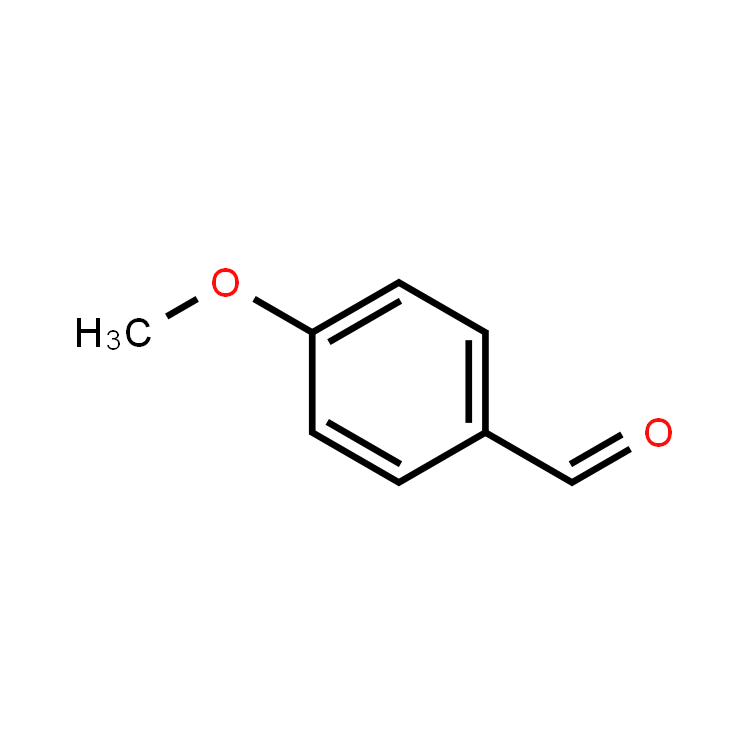
P-methoxybenzaldehyde、123-11-5
AI Product Description
*The following content is generated by AI and is for reference only.
P-Methoxybenzaldehyde, also known as 4-methoxybenzaldehyde or anisaldehyde, is a vital aromatic aldehyde widely utilized in the fragrance, flavor, and pharmaceutical industries. With the molecular formula C8H8O2 and a CAS registry number of 123-11-5, this compound appears as a colorless to pale yellow crystalline solid at room temperature. It possesses a characteristic sweet, flowery, and slightly fruity odor reminiscent of anise, which makes it highly prized for its sensory profile.
In the fragrance sector, p-methoxybenzaldehyde serves as a key intermediate for synthesizing various perfumes, soaps, and cosmetic products. Its distinct aroma enhances floral and oriental compositions, adding depth and complexity to fine fragrances. In the food industry, it is approved as a flavoring agent used to impart anise-like notes to confectioneries, beverages, and baked goods, often acting as a substitute for natural anise extract where cost or availability is a concern.
From a chemical synthesis perspective, this aldehyde is a versatile building block in organic chemistry. It is frequently employed in the production of dyes, pigments, and agrochemicals. Specifically, it acts as a precursor in the synthesis of resveratrol analogs and other biologically active compounds with potential anti-inflammatory or antioxidant properties. The compound undergoes standard aldehyde reactions, including oxidation to p-anisic acid and reduction to p-methoxybenzyl alcohol, facilitating diverse synthetic pathways. Furthermore, it plays a crucial role in the manufacturing of polymers and specialized resins due to its reactive carbonyl group and stable methoxy substituent.
Safety handling requires standard precautions, as the substance can be irritating to the skin and eyes. Proper ventilation and personal protective equipment are recommended during processing. Overall, p-methoxybenzaldehyde remains an indispensable commodity in industrial applications, bridging the gap between natural aroma profiles and advanced chemical manufacturing requirements. Its balance of stability, reactivity, and olfactory appeal ensures its continued relevance across multiple high-value sectors globally.





 (All Rights Reserved)
![8-Oxa-1,3-diazaspiro[4.5]decane-2,4-dione](https://eimg.pharmasources.com/image/product/20250403/60fa7223d5a34f24138486ceea0ffb15jpg)
![6,8-Dioxo-5,7-diazaspiro[3.4]octane-2-carboxylic acid](https://eimg.pharmasources.com/image/product/20250403/02effeb5a7639bc84ff1f3add3c0c64fjpg)
![8,16-Diazadispiro[6.1.6.2]heptadecan-17-one](https://eimg.pharmasources.com/image/product/20250403/ca91cba8b87e53fc879f8d8764873a40jpg)