Product Description
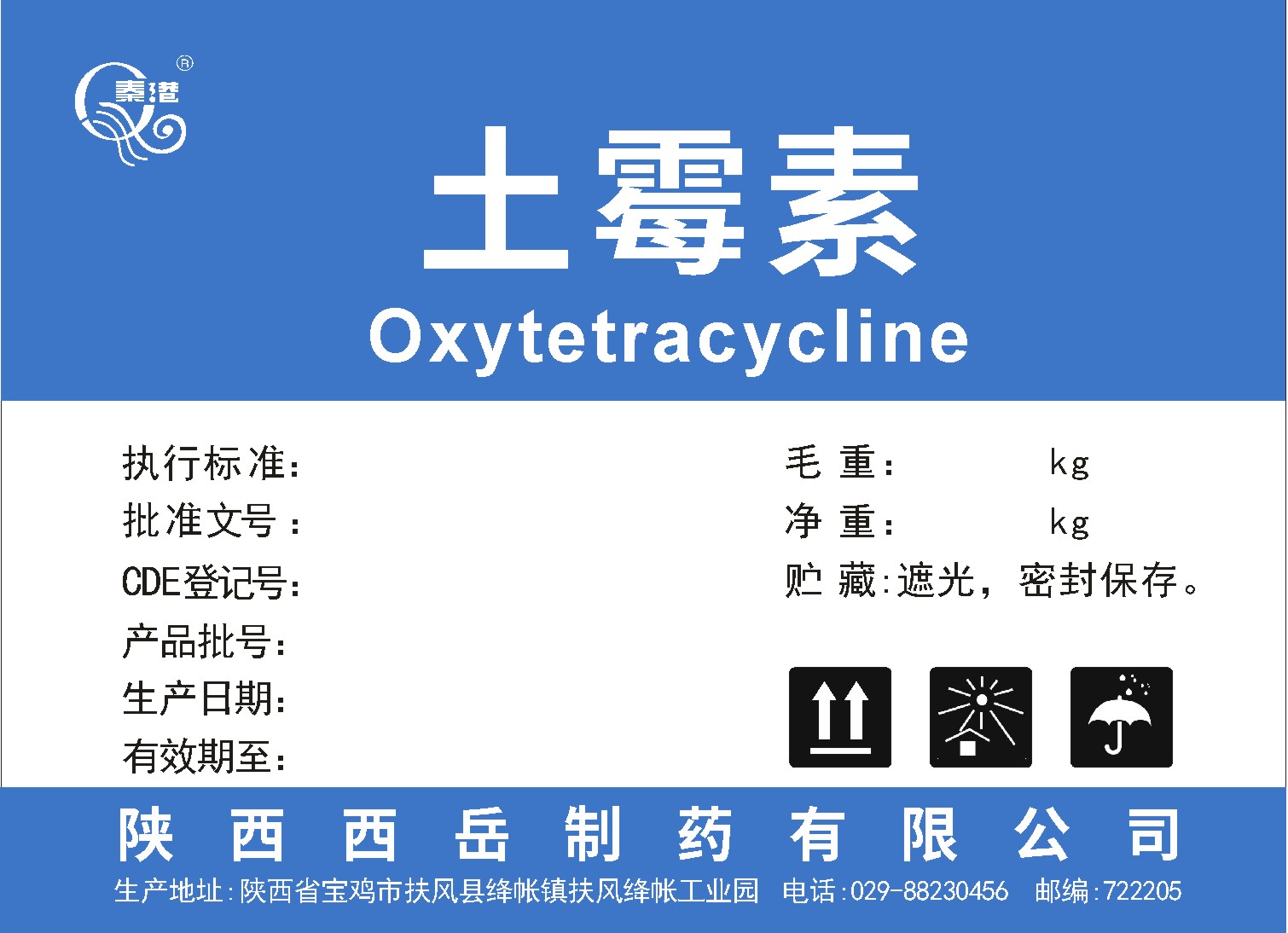
The antibacterial spectrum and antibacterial principle of oxytetracycline are basically the same as those of tetracycline. Bacteria are resistant to tetracycline, oxytetracycline and chloramphenicol. The efficacy of this product on intestinal infections (including amoebic dysentery) is slightly better than that of chloramphenicol and tetracycline, and other indications are the same as tetracycline.
AI Product Description
*The following content is generated by AI and is for reference only.
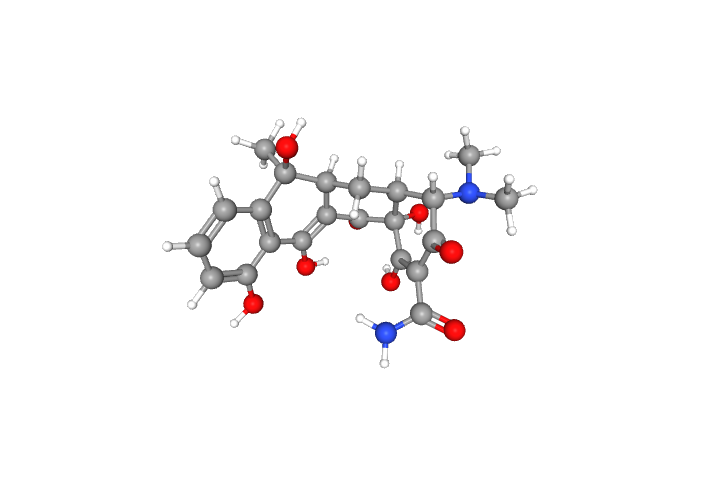
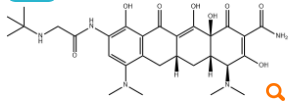
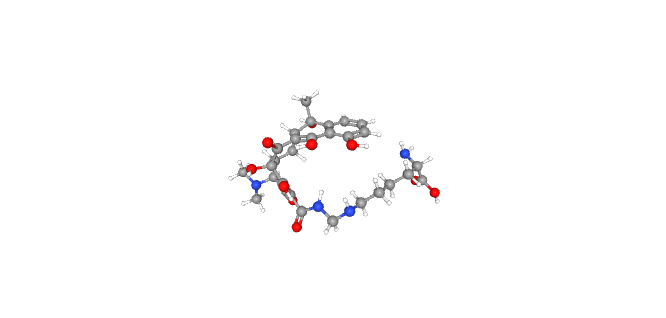
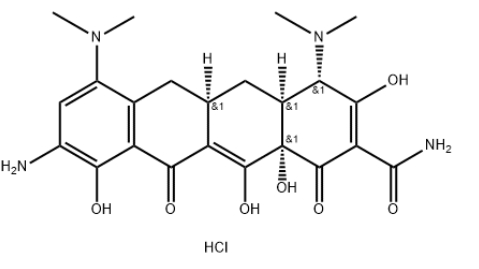
Oxytetracycline, often referred to as Terramycin, is a broad-spectrum bacteriostatic antibiotic belonging to the tetracycline class. Its molecular formula is C22H24N2O9, and it is uniquely identified by the CAS number 2058-46-0. This naturally derived compound was first isolated from *Streptomyces rimosus* in the early 1950s and remains a cornerstone in both human medicine and veterinary practice due to its extensive efficacy against a wide array of pathogens.
In clinical settings, Oxytetracycline is primarily utilized to treat bacterial infections caused by susceptible organisms, including respiratory tract infections, urinary tract infections, skin conditions like acne, and certain sexually transmitted diseases such as chlamydia and syphilis. It functions by inhibiting protein synthesis within bacteria; specifically, it binds reversibly to the 30S ribosomal subunit, thereby preventing the attachment of aminoacyl-tRNA to the mRNA-ribosome complex. This mechanism effectively halts bacterial growth without necessarily killing the organism immediately, allowing the host immune system to eliminate the infection.
Beyond human health, this antibiotic plays a critical role in agriculture and aquaculture. It is widely administered to livestock, poultry, and fish to prevent and treat various infectious diseases, significantly reducing mortality rates and improving production efficiency. Common applications include treating pneumonia in cattle, respiratory issues in pigs, and motile aeromonad septicemia in farmed fish. However, the widespread use of tetracyclines has raised concerns regarding the emergence of antibiotic-resistant bacteria and the persistence of drug residues in food products. Consequently, regulatory agencies worldwide enforce strict withdrawal periods and usage guidelines to ensure public safety. Despite these challenges, Oxytetracycline remains an essential therapeutic agent, offering a cost-effective solution for managing diverse bacterial infections across multiple sectors when used responsibly and under professional supervision.






 (All Rights Reserved)