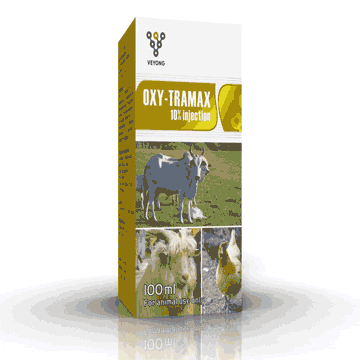
Product Description
Active ingredients:
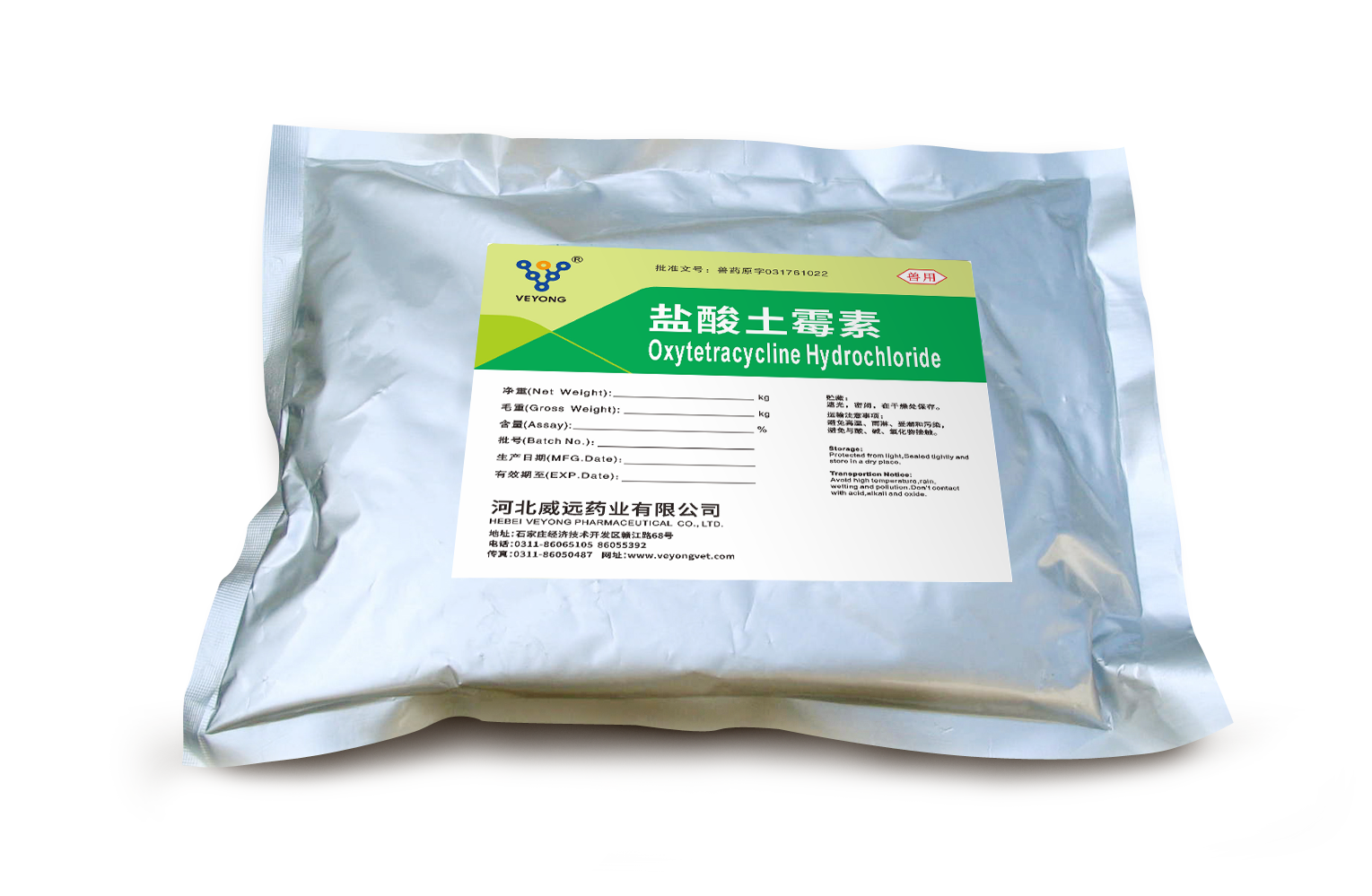
Oxytetracycline hydrochloride 10g.
Lidocaine 1g.
Excipient:q.s.p 100ml.
Indications:
The use of oxytetracycline 10% is indicated in cattle,horse,sheep,goat and swine diseases.Many of the pathogenes involved in animal diseases are known to be susceptible to oxytetracycline hydrochloride therapy such as digestive pathogenes,skin,lungs,urinary,genital and septicemic pathogenes.
AI Product Description
*The following content is generated by AI and is for reference only.
OXY-TRAMAX Injection (10%) is a potent parenteral analgesic formulation designed for the management of moderate to severe acute pain. As indicated by its name, this medication typically combines two active pharmacological agents: Oxycodone, a semi-synthetic opioid agonist, and Tramadole, a centrally acting synthetic analgesic with dual mechanisms involving mu-opioid receptor binding and inhibition of norepinephrine and serotonin reuptake. While specific formulations may vary by regional regulatory approval, the combination aims to provide synergistic pain relief that is often more effective than either agent used alone, particularly in post-operative settings or trauma cases where rapid and robust analgesia is critical.
The primary indication for OXY-TRAMAX 10% injection is the short-term treatment of severe pain that requires immediate intervention and cannot be adequately managed by non-opioid analgesics. Due to its high potency and complex mechanism, it is strictly administered via intravenous, intramuscular, or subcutaneous routes under strict medical supervision. The dosage must be carefully titrated based on individual patient factors, including age, weight, renal function, and prior opioid exposure, to minimize the risk of adverse events while maximizing therapeutic efficacy.
Critical safety precautions are paramount when using this product. It carries a significant risk of respiratory depression, sedation, hypotension, and physical dependence. Patients with a history of substance abuse, respiratory compromise, or head injuries require extreme caution. Concomitant use with benzodiazepines, alcohol, or other central nervous system depressants can lead to fatal outcomes. Furthermore, abrupt discontinuation after prolonged use may precipitate withdrawal symptoms. Common side effects include nausea, vomiting, constipation, dizziness, and pruritus. Healthcare providers must monitor vital signs closely during administration and ensure emergency resuscitation equipment, such as naloxone, is immediately available. This medication is generally contraindicated in patients with known hypersensitivity to opioids or tricyclic antidepressants and should not be used in children under specific age thresholds unless explicitly directed by a specialist. Strict adherence to controlled substance regulations is mandatory to prevent misuse and diversion.





 (All Rights Reserved)