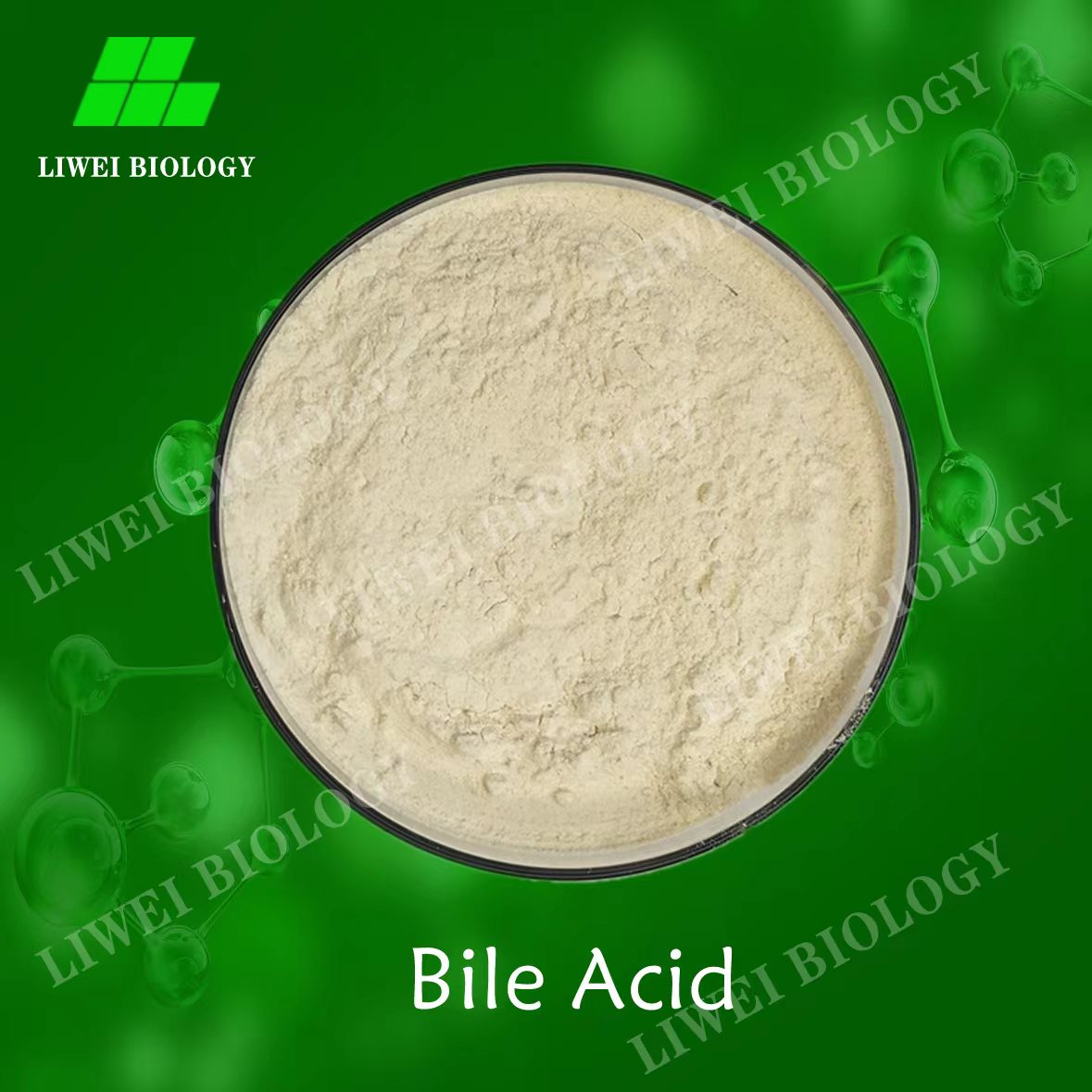
Product Name Ox Cholic Acid
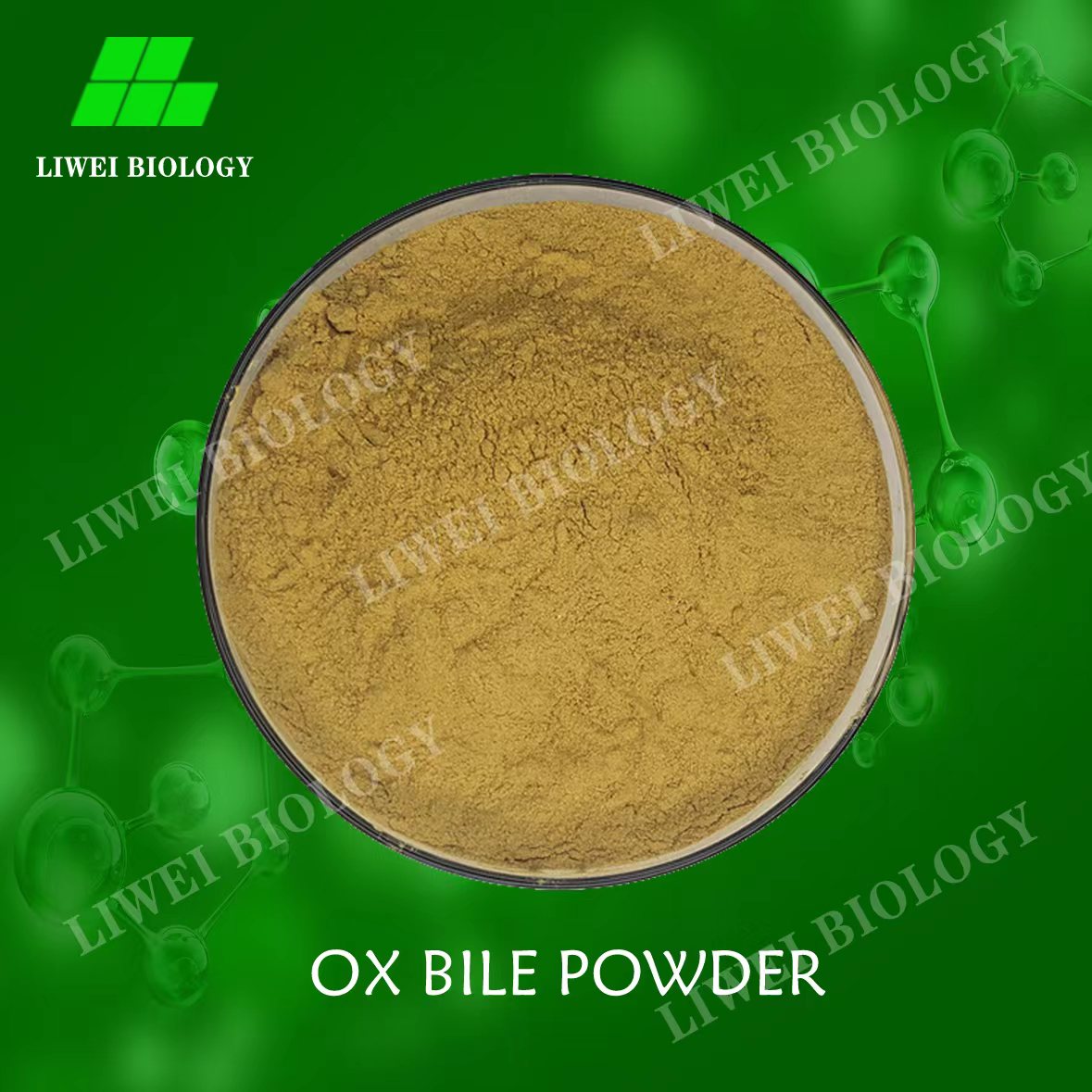
Product Description This product is extract from fresh and non-transmutative ox bile whose producing area are not in epidemic-stricken area stated by P.R.China and WHO,and mainly used as medicine raw materials.l
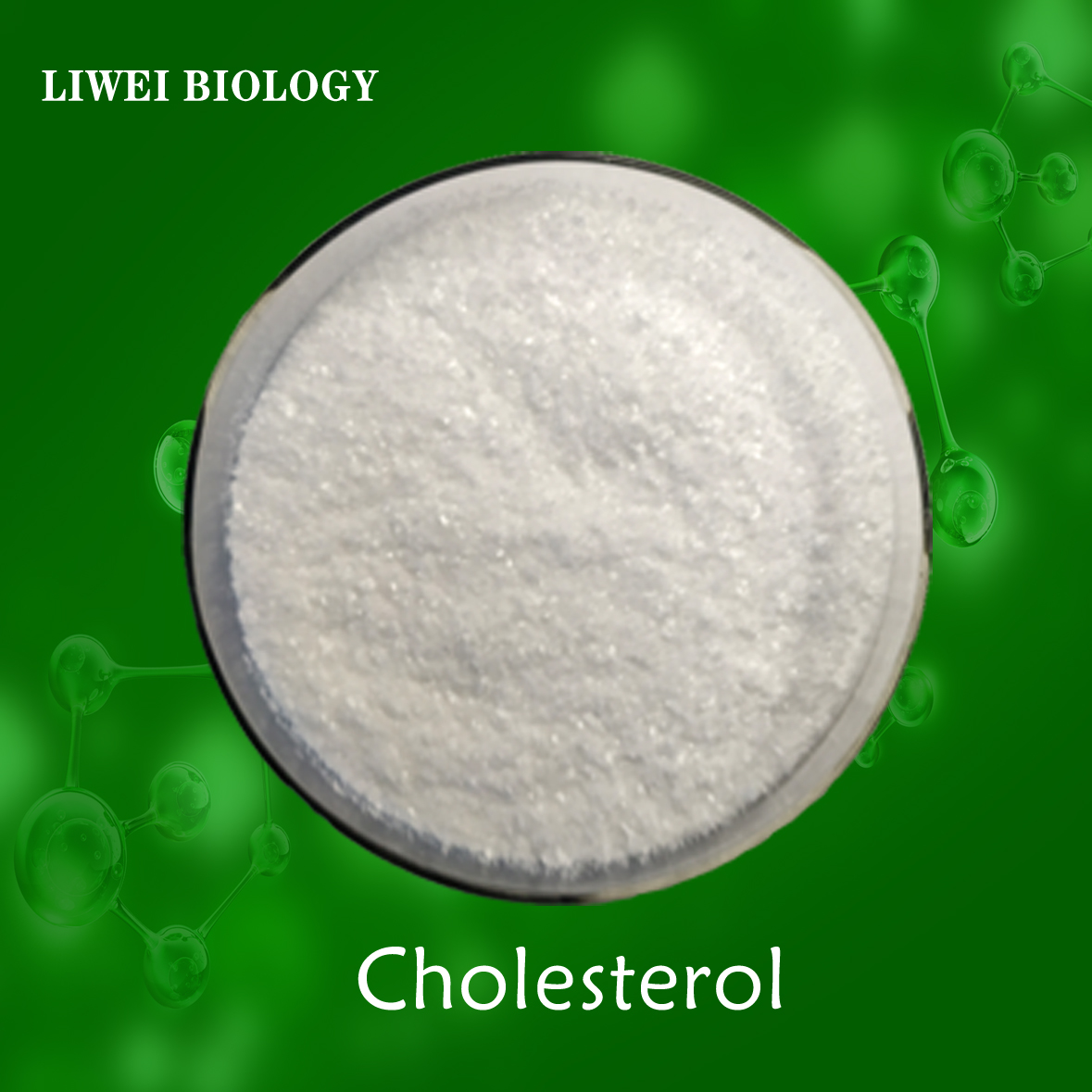
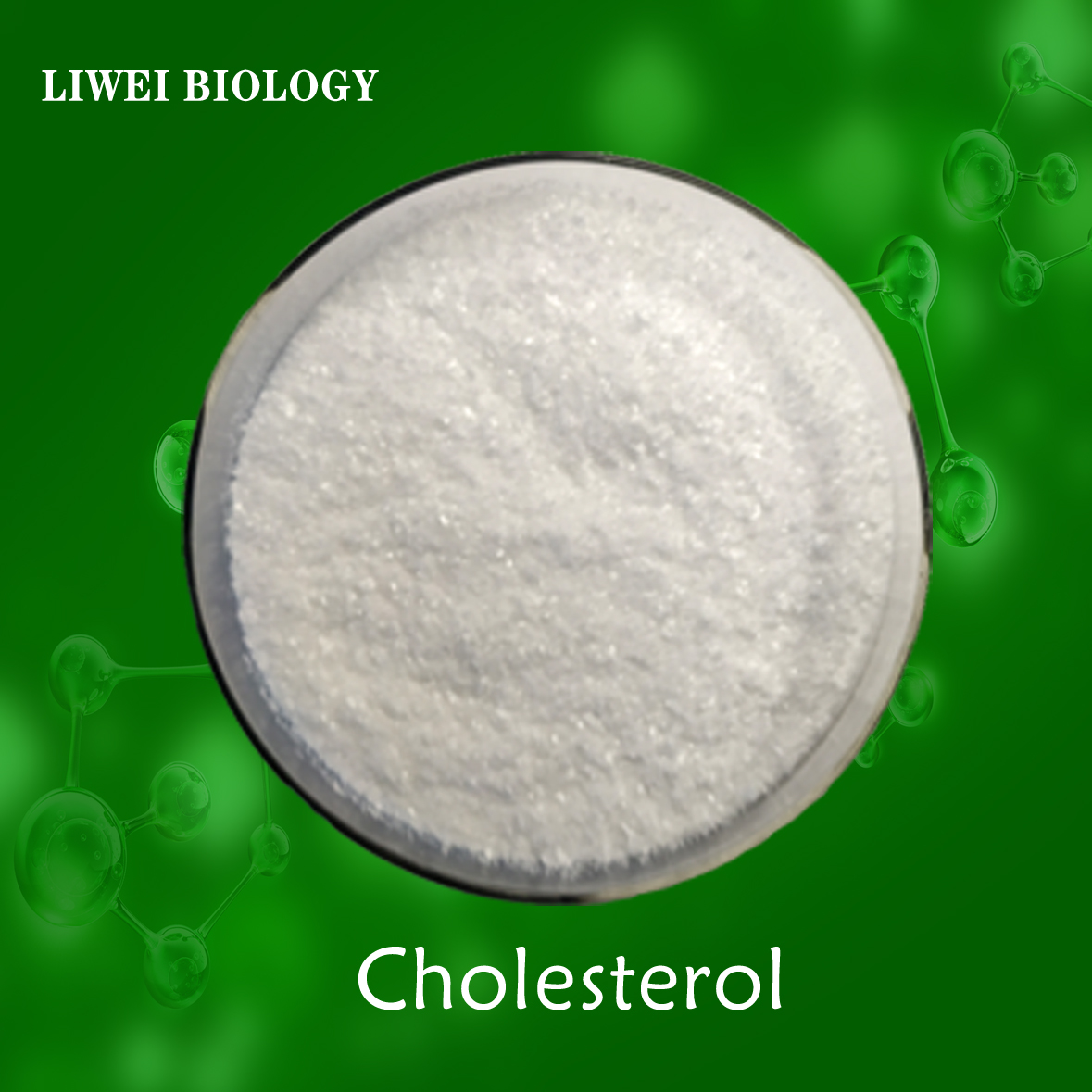
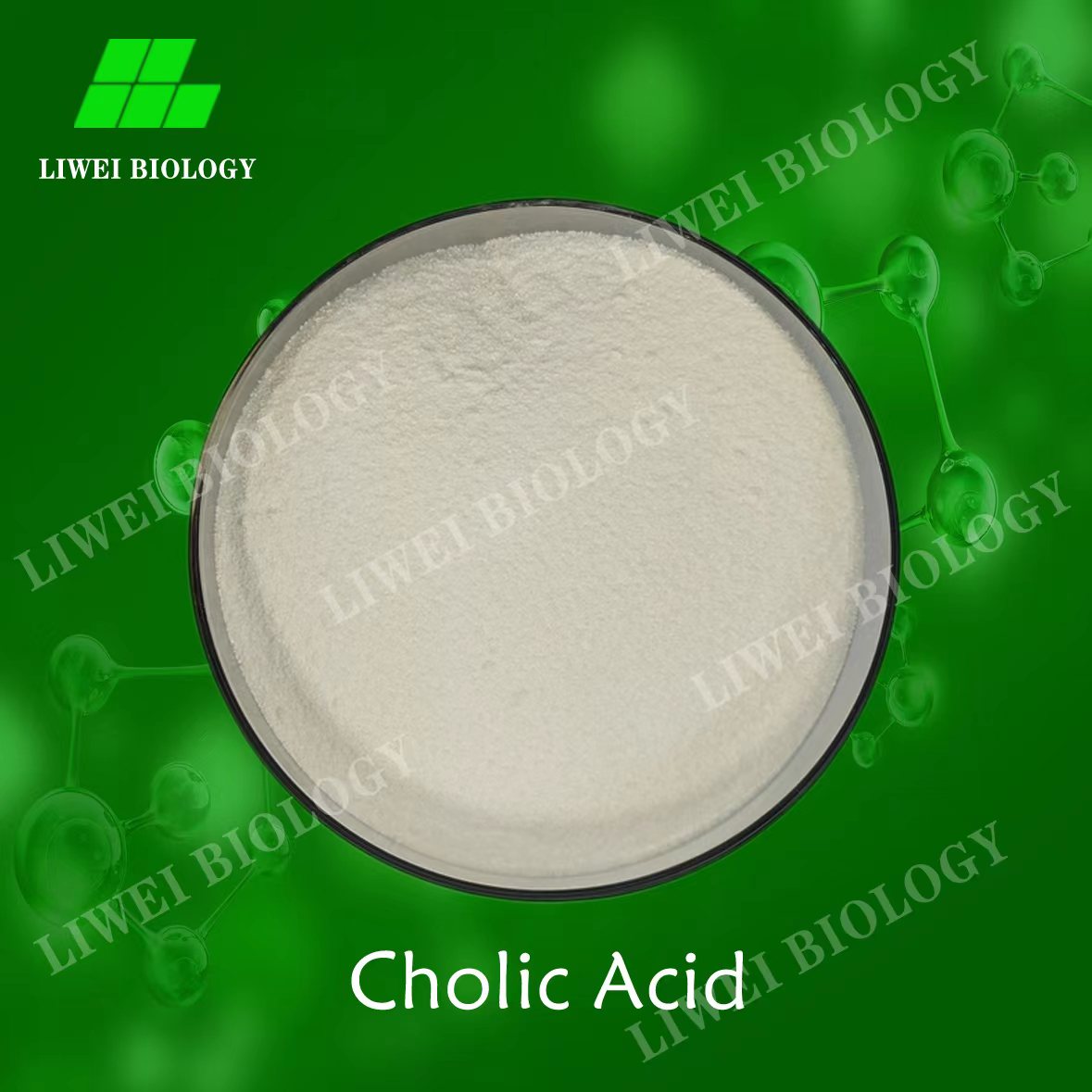
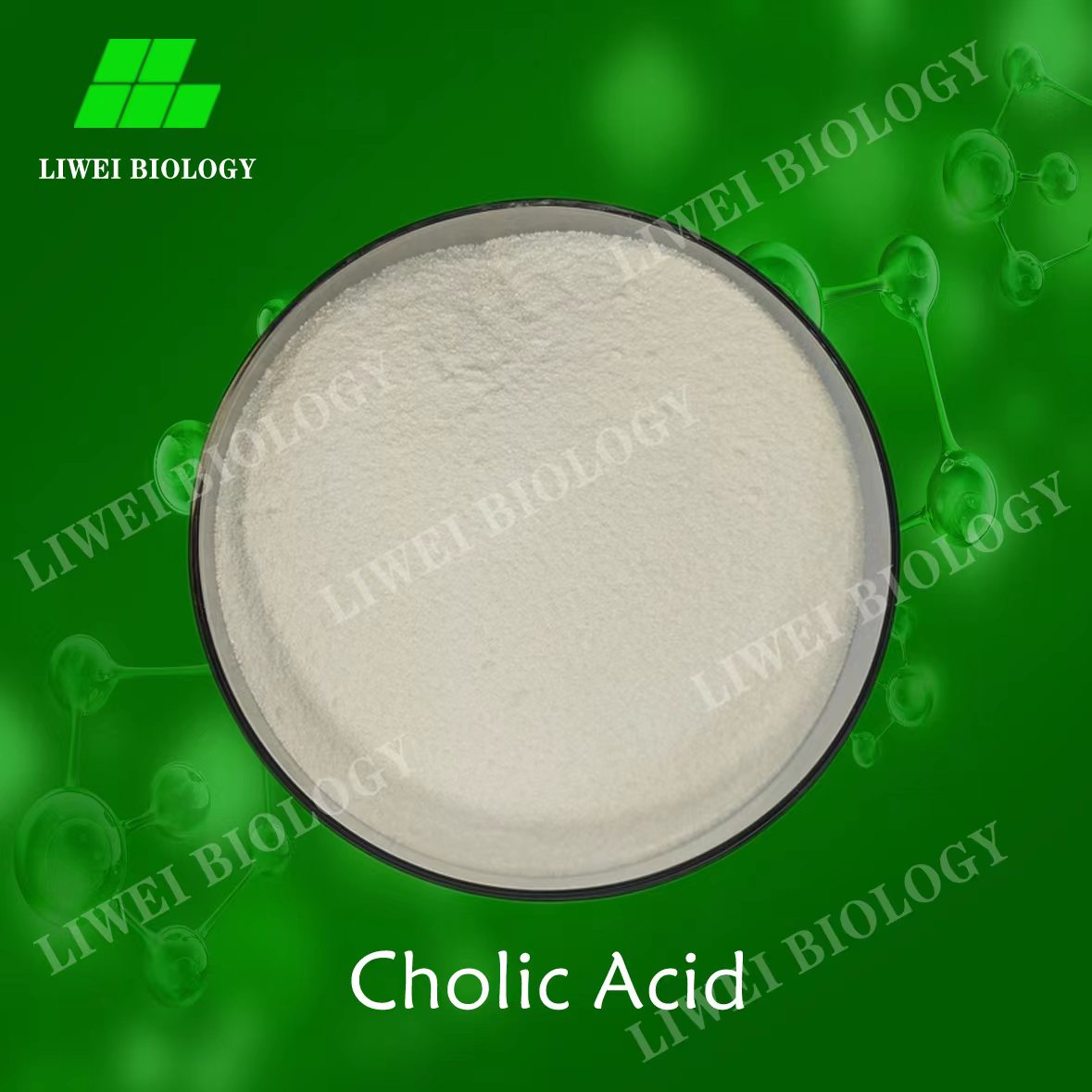
Product Feature White crystal powder,bitter taste
Cholic acid content:>95%
Loss on drying:<0.5%
Residue:<0.2%
Storage and shipping: free from light, airproof and moisture protection.
This product is in conformity with the standard of China medical department NO.1.2010.
*The following content is generated by AI and is for reference only.
Oxocholic acid, often referred to in scientific contexts as 3-oxo-5β-cholan-24-oic acid or a related bile acid derivative, is a significant secondary bile acid found in human and animal physiology. Its molecular formula is typically C24H38O4, reflecting its structure as a tetracyclic steroid with four oxygen atoms incorporated into the ring system and side chain. The specific CAS number for oxocholic acid is 1960-28-7, which serves as its unique identifier in chemical databases and regulatory frameworks worldwide. This compound is primarily characterized by the presence of a ketone group at the C3 position on the A-ring of the steroid nucleus, distinguishing it from other hydroxy-bile acids like cholic acid or deoxycholic acid.
In terms of biological function, oxocholic acid plays a crucial role in lipid metabolism and digestion. As a component of the bile salt pool, it aids in the emulsification of dietary fats, facilitating their absorption in the small intestine. Furthermore, recent research has highlighted its potential involvement in signaling pathways that regulate glucose homeostasis and energy expenditure. Due to these properties, it is increasingly studied for its therapeutic implications in metabolic disorders, including obesity and type 2 diabetes. In laboratory settings, high-purity oxocholic acid is widely used as a reference standard for analytical chemistry, particularly in mass spectrometry and chromatography techniques used to profile bile acid metabolites in clinical samples. It also serves as a critical intermediate in the synthesis of various pharmaceutical agents and steroid derivatives.
The compound is generally supplied as a white to off-white crystalline powder, stable under standard storage conditions when kept away from moisture and direct light. While naturally occurring in trace amounts within the body, commercial availability allows researchers to investigate its pharmacokinetics and physiological effects more deeply. Its distinct structural features make it an invaluable tool for understanding the complex interplay between bile acids and host metabolism, contributing significantly to advancements in hepatology and gastroenterology.





 (All Rights Reserved)