Product Name ox bile extract
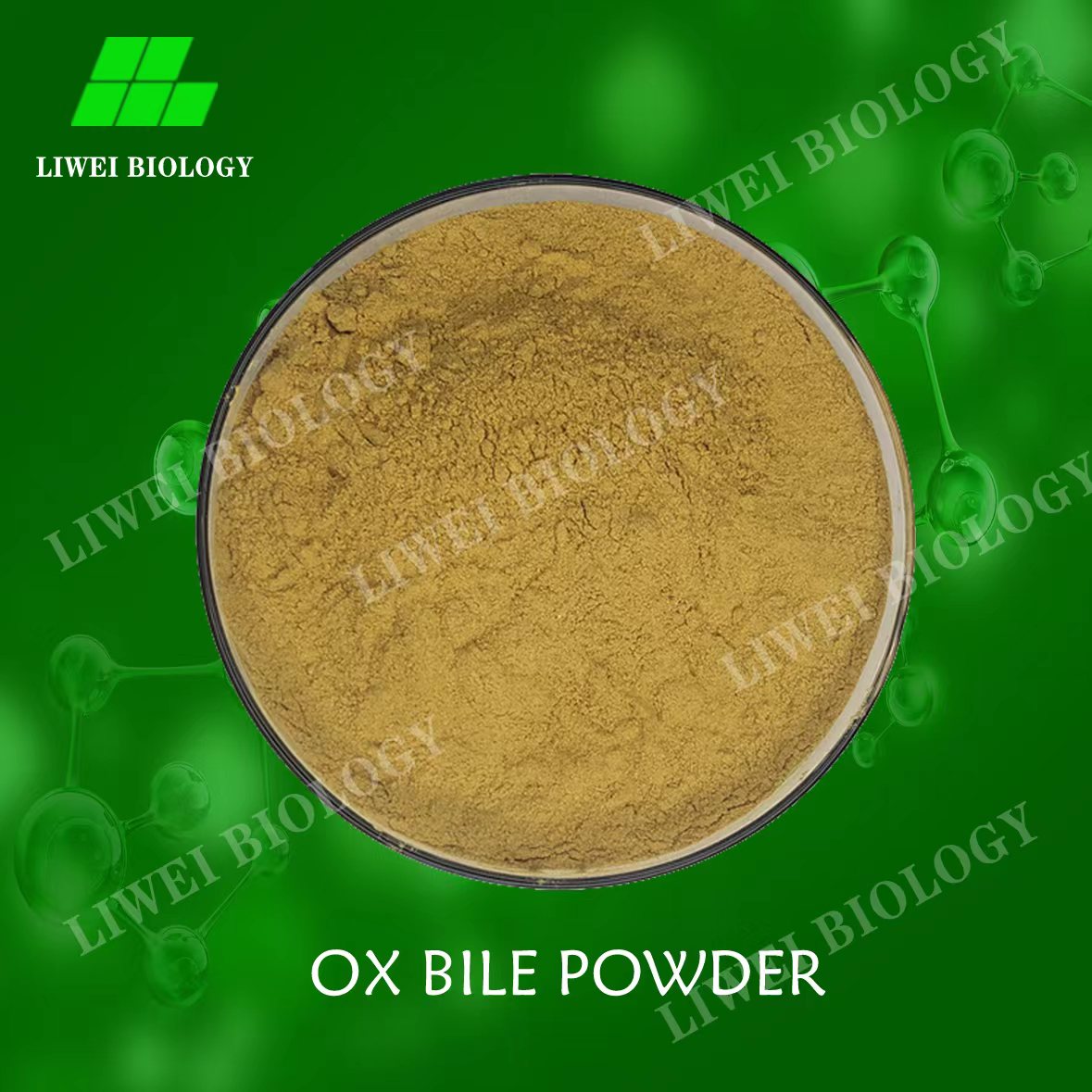
Product Description This product is extracted from fresh ox bile whose producing area are not in epidemic-striken area stated by P.R.China and WHO,and manufactured through the process of degreasing,removing impurity and drying.It is pure inantificial.edible product,and have the curative effext of clearing heat,detoxication,anti-inflammatory.
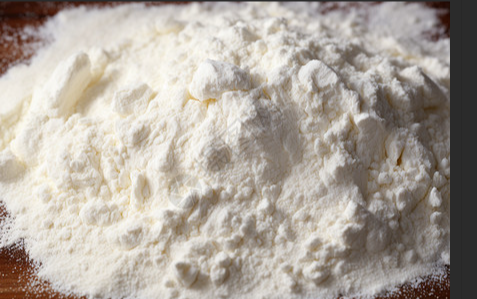
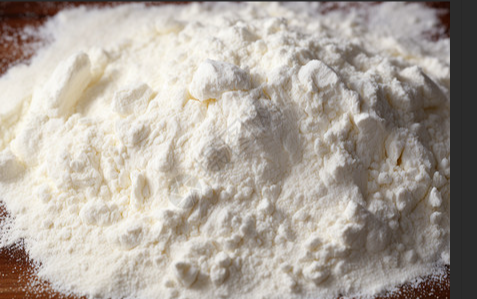
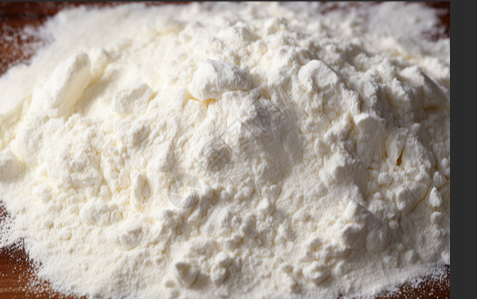
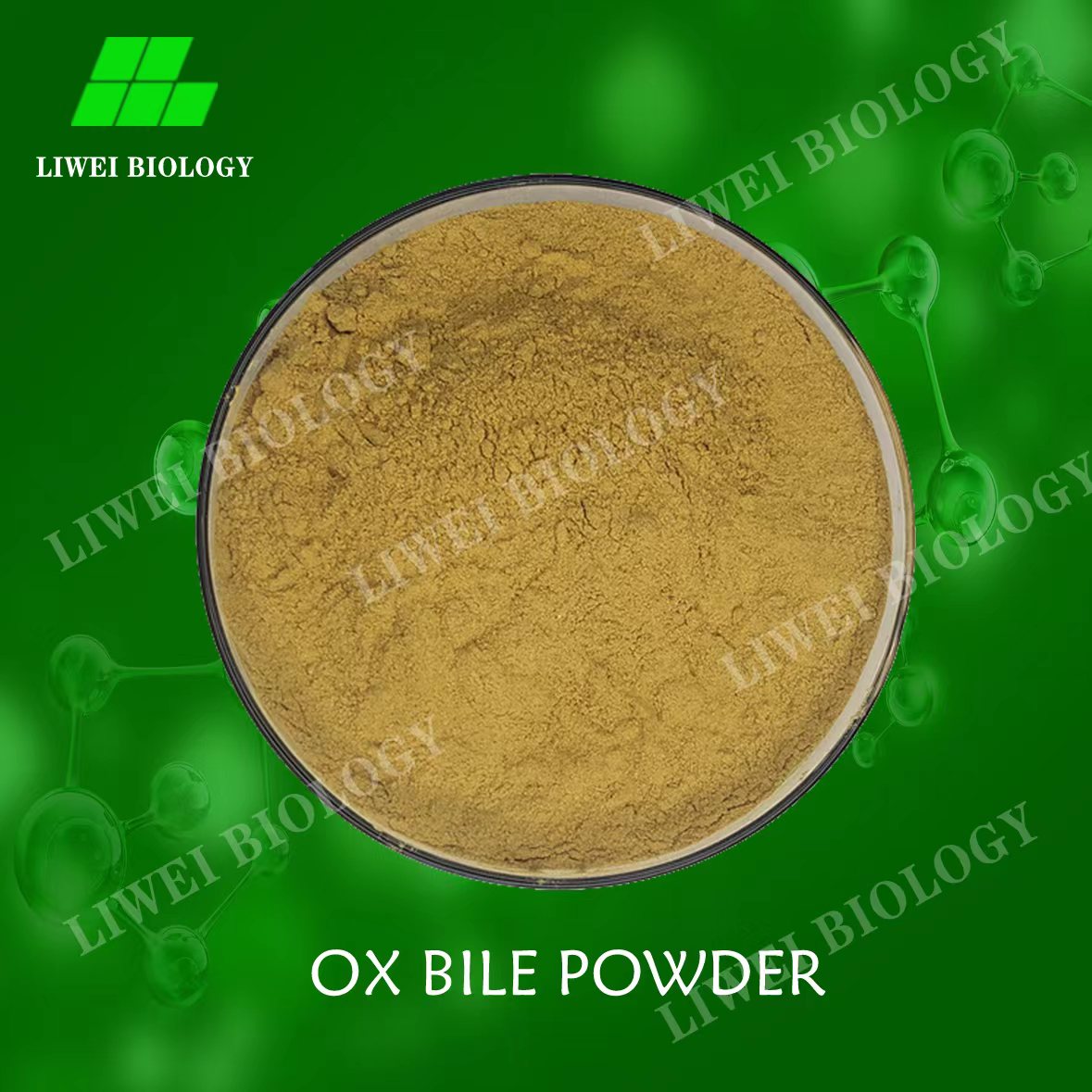
Product Feature: yellow-brown or snuff color powder,bitter taste,easily moisture absorption
*The following content is generated by AI and is for reference only.
Ox bile extract is a complex biological preparation derived from the gallbladders of cattle, widely utilized in both pharmaceutical and industrial applications. Unlike a single chemical entity with a defined molecular formula or a specific CAS number, ox bile extract is a heterogeneous mixture containing various bioactive components. The primary active constituents include conjugated bile acids such as taurocholic acid, glycocholic acid, taurodeoxycholic acid, and glycodeoxycholic acid, alongside cholesterol, phospholipids, and electrolytes. Because it is a natural extract rather than a pure synthetic compound, regulatory databases do not assign it a singular CAS registry number; instead, individual bile acid components within the mixture possess their own unique identifiers.
The principal function of ox bile extract lies in its ability to emulsify fats. Bile acids act as powerful surfactants, reducing surface tension and facilitating the digestion and absorption of dietary lipids in the gastrointestinal tract. Consequently, this product is extensively employed in digestive enzyme supplements designed to treat conditions like pancreatic insufficiency, gallbladder dysfunction, or chronic diarrhea where endogenous bile production is inadequate. By supplementing these essential compounds, manufacturers aim to restore normal fat metabolism and alleviate symptoms associated with malabsorption syndromes.
Beyond human medicine, ox bile extract serves critical roles in scientific research and laboratory settings. It is frequently used in biochemical assays to study lipid metabolism, cell membrane permeability, and protein solubility. In histology, it aids in tissue processing by improving stain penetration through lipid-rich structures. Furthermore, the extract finds application in the food industry as an additive to improve texture and stability in processed foods requiring fat dispersion. While generally considered safe when used according to dosage guidelines, individuals with specific allergies or severe liver diseases should exercise caution. Its versatility stems from the synergistic action of its diverse bile salt profile, making it an indispensable resource for enhancing lipid-based biological processes across multiple sectors.





 (All Rights Reserved)