Product Description
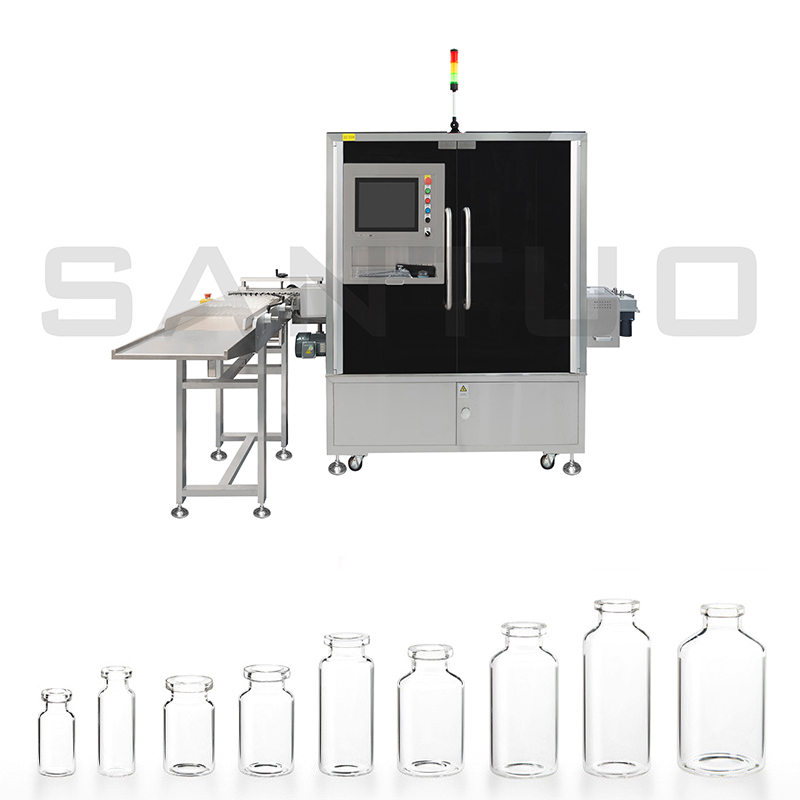
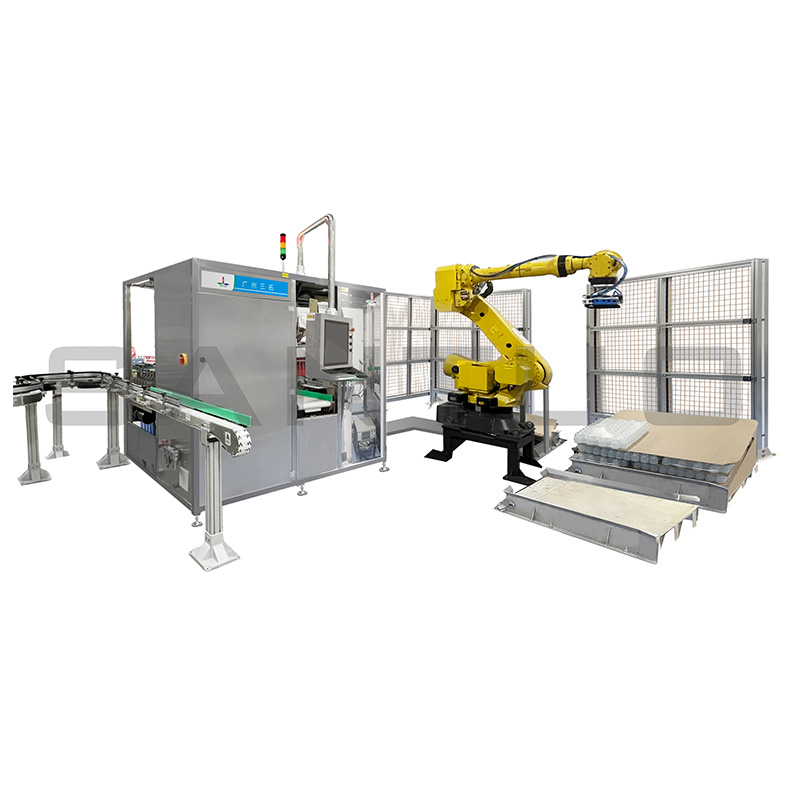
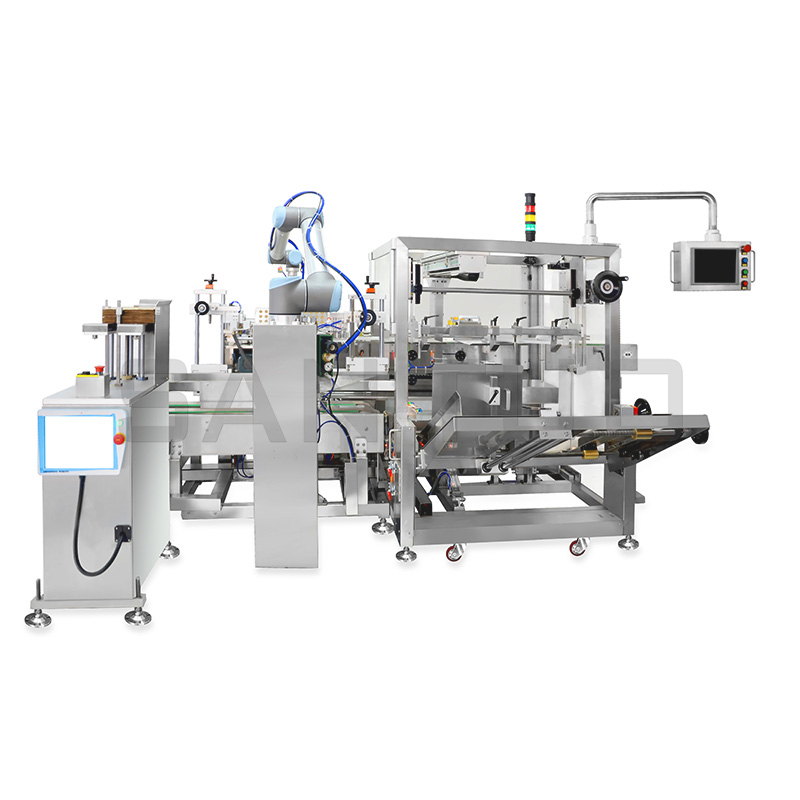
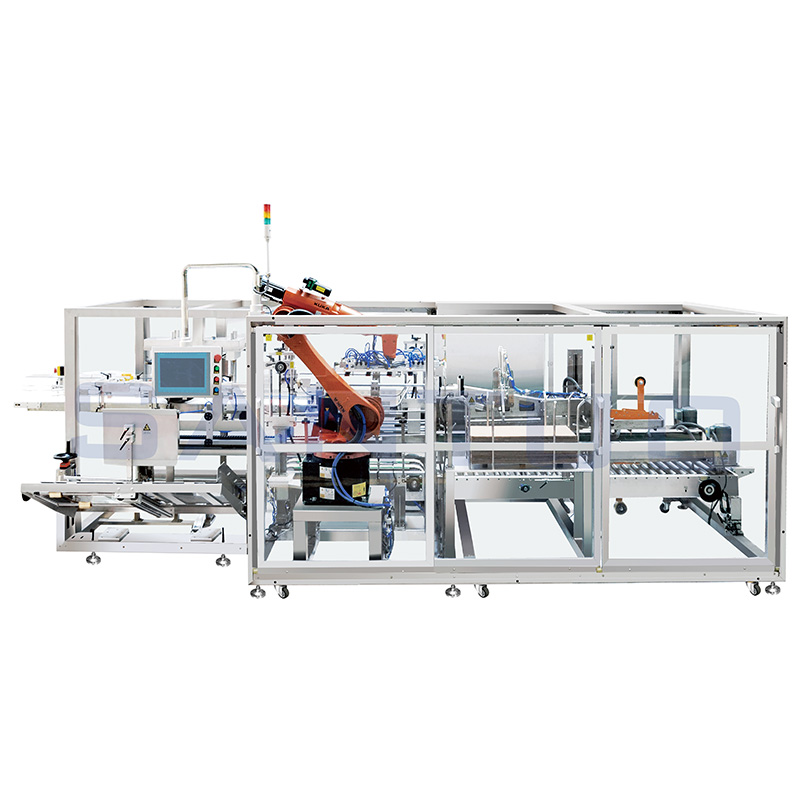
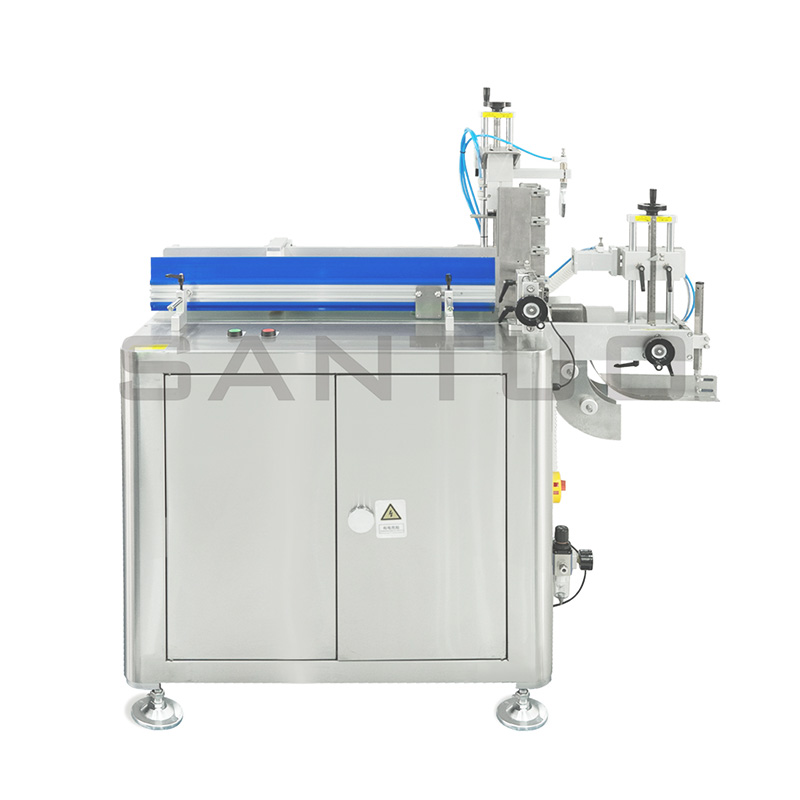
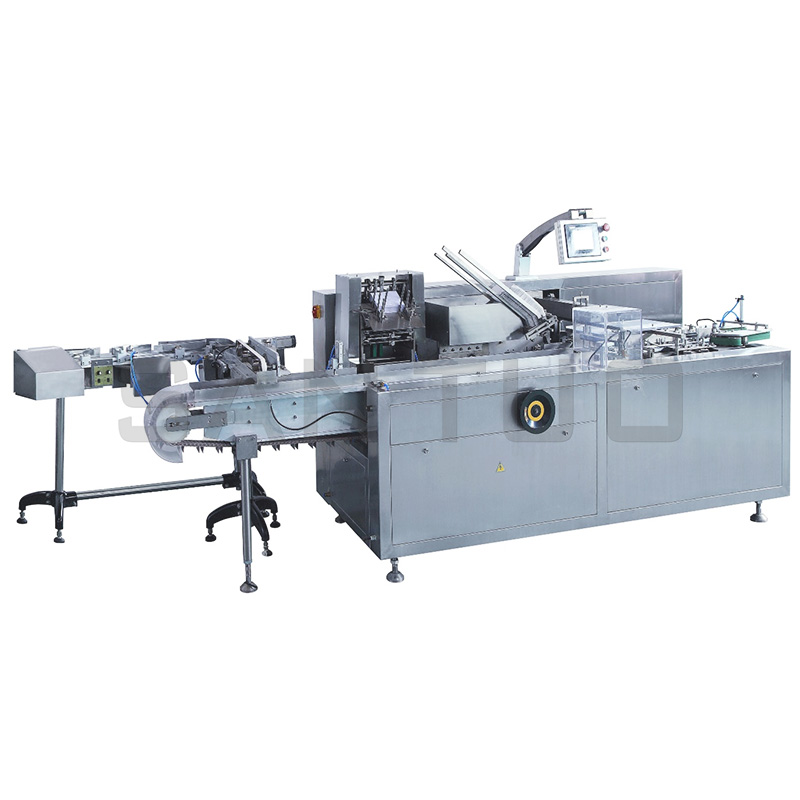
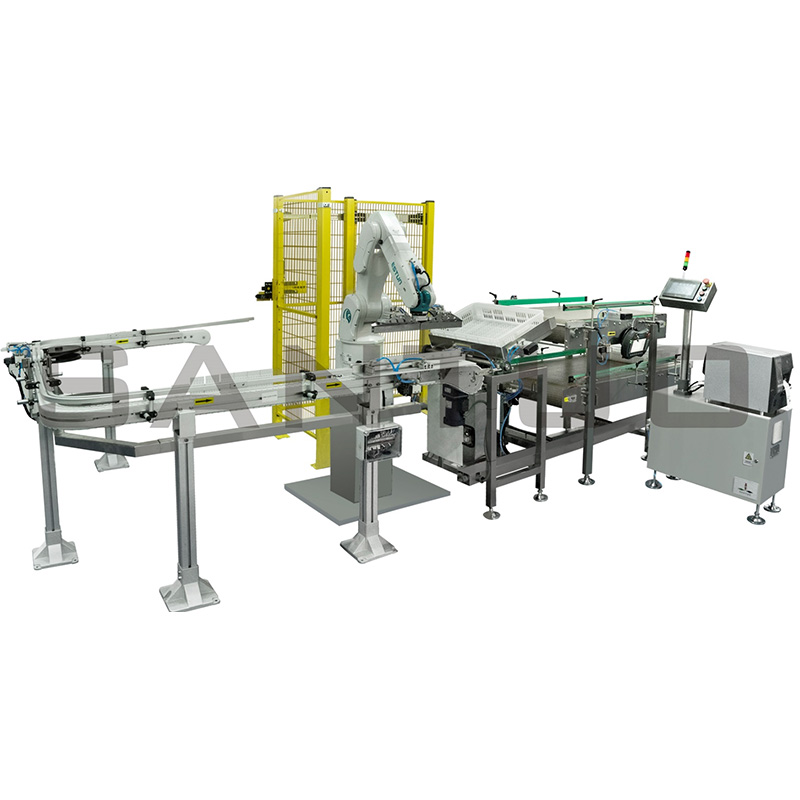
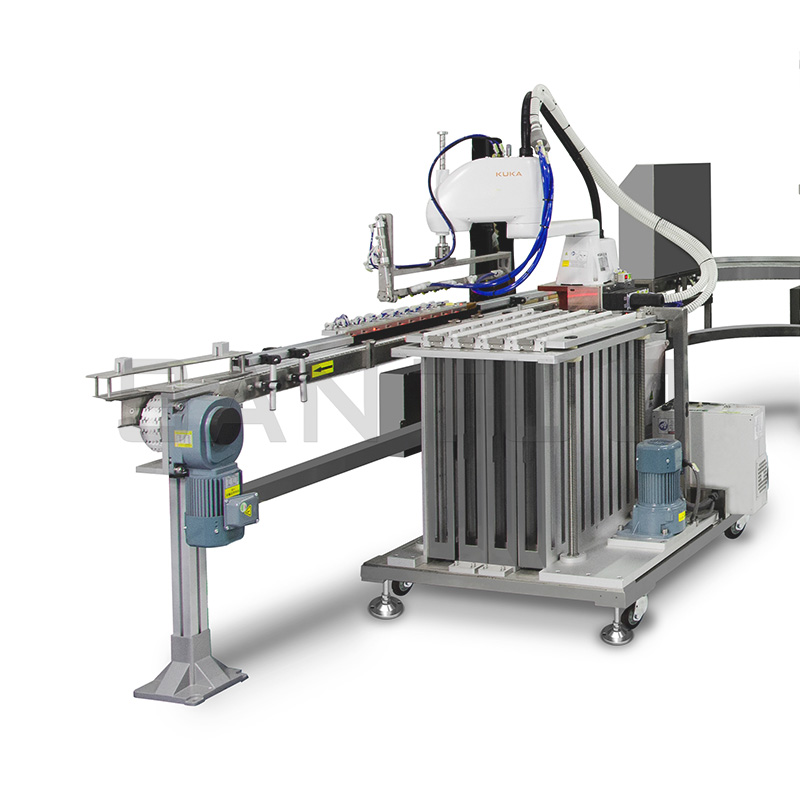
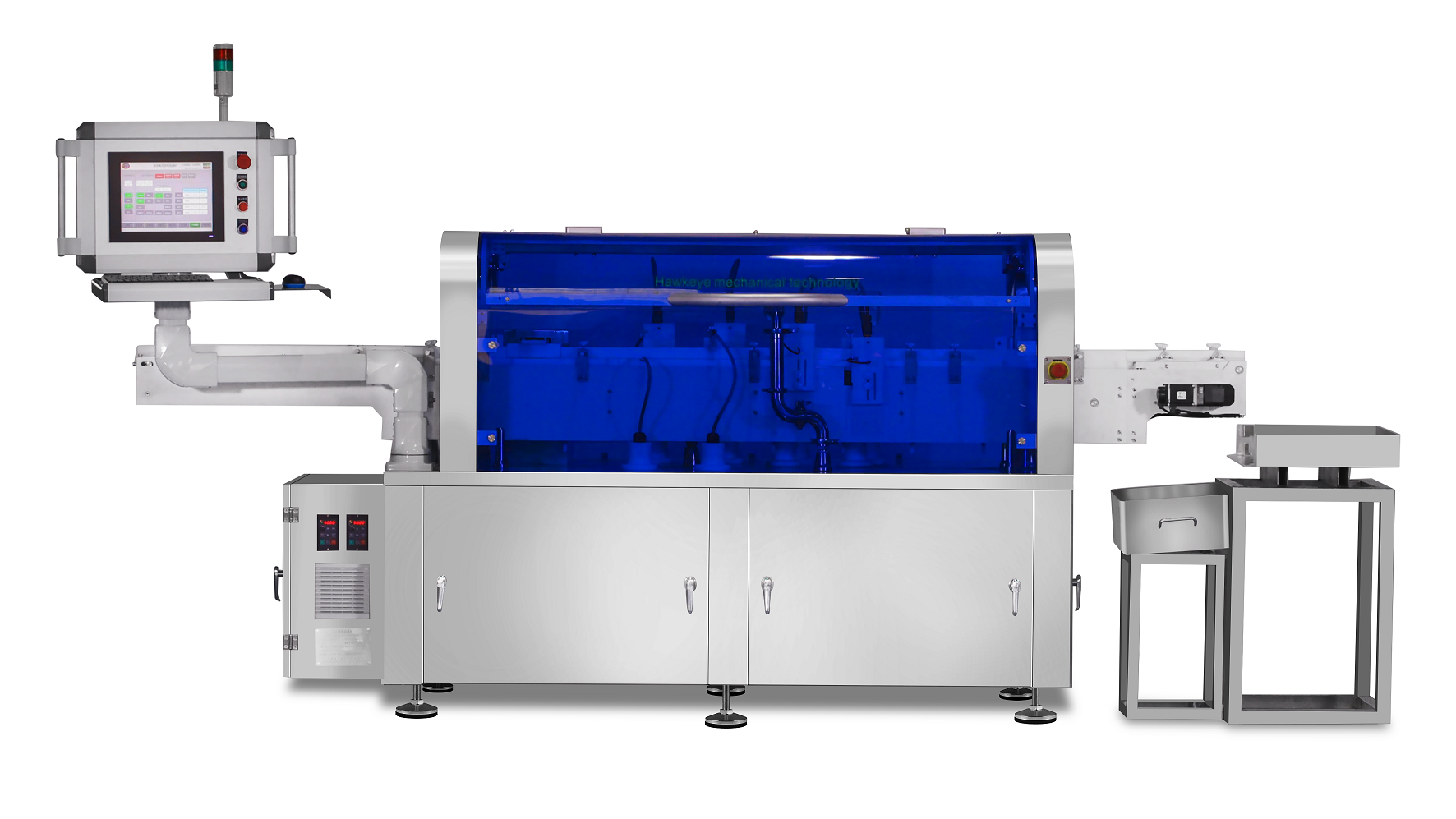
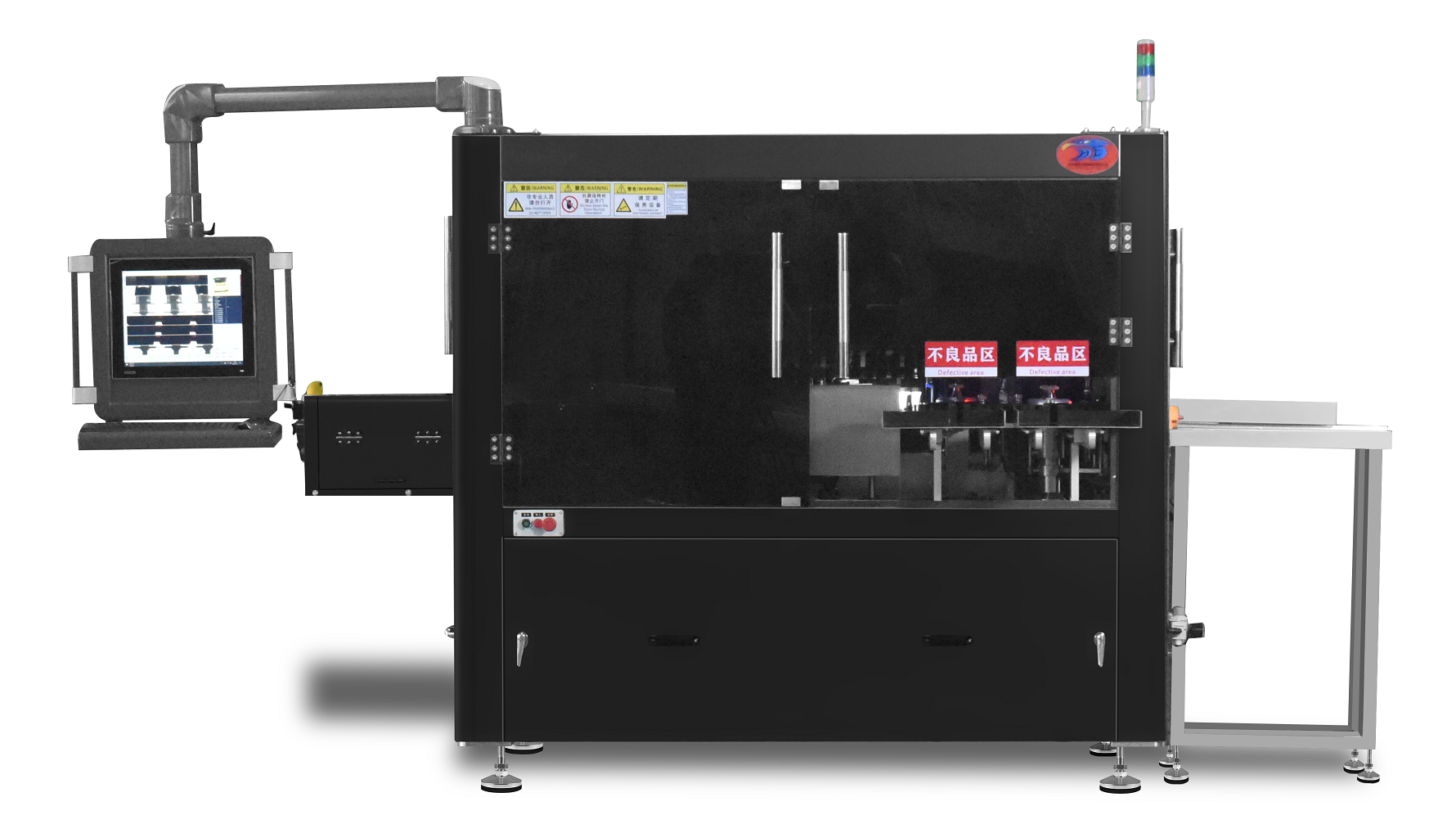
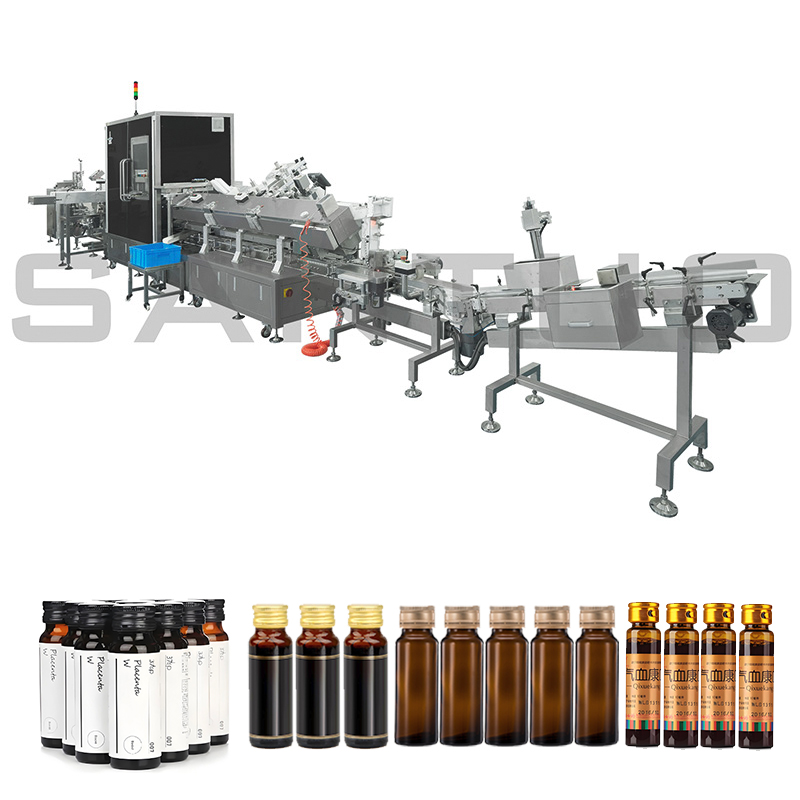
Oral liquid light inspection and labeling machine is mainly used for automatic inspection of ampoule bottles, vials, oral liquid and freeze dried powder injection products in the pharmaceutical industry. It can automatically inspect the product appearance, visible foreign particles, cap sealing defects, and labeling quality, and the number of straw and bottles on the tray. It is connected to the automatic packaging line to realize the automatic production.
AI Product Description
*The following content is generated by AI and is for reference only.
The Oral Liquid Light Inspection and Labeling Machine is a specialized automated packaging solution designed for the pharmaceutical and healthcare industries. Its primary function is to ensure the quality and safety of liquid medications, such as syrups, suspensions, and elixirs, by combining high-speed visual inspection with precise labeling operations. The system utilizes advanced optical sensors and bright illumination to detect critical defects within transparent or semi-transparent bottles. These defects include foreign particles, incorrect fill levels, air bubbles, cloudiness, and label misalignment. By identifying non-compliant units in real-time, the machine prevents defective products from reaching consumers, thereby upholding strict regulatory standards and protecting brand reputation.
Following the inspection phase, the unit automatically applies labels with exceptional accuracy. It handles various bottle shapes and sizes, adjusting parameters to accommodate different production requirements without extensive manual intervention. This dual-function capability significantly increases production efficiency while reducing labor costs and minimizing human error associated with manual checks. The equipment is typically constructed from stainless steel to meet hygiene standards, featuring easy-to-clean surfaces that comply with Good Manufacturing Practice (GMP) guidelines.
Operating this machinery requires adherence to several key precautions. First, regular calibration of lighting systems and sensors is essential to maintain detection sensitivity. Operators must ensure that the product flow remains consistent to avoid false rejections or missed defects. Additionally, proper training is crucial for staff to handle software interfaces and troubleshoot minor mechanical issues safely. Regular maintenance of conveyor belts and labeling heads prevents downtime and ensures long-term reliability. Finally, all electrical components should be inspected periodically to prevent hazards in wet environments common in liquid filling areas. Overall, this integrated system serves as a vital component in modern pharmaceutical manufacturing lines, guaranteeing that every bottle dispensed meets rigorous quality benchmarks before distribution.





 (All Rights Reserved)