Product Description
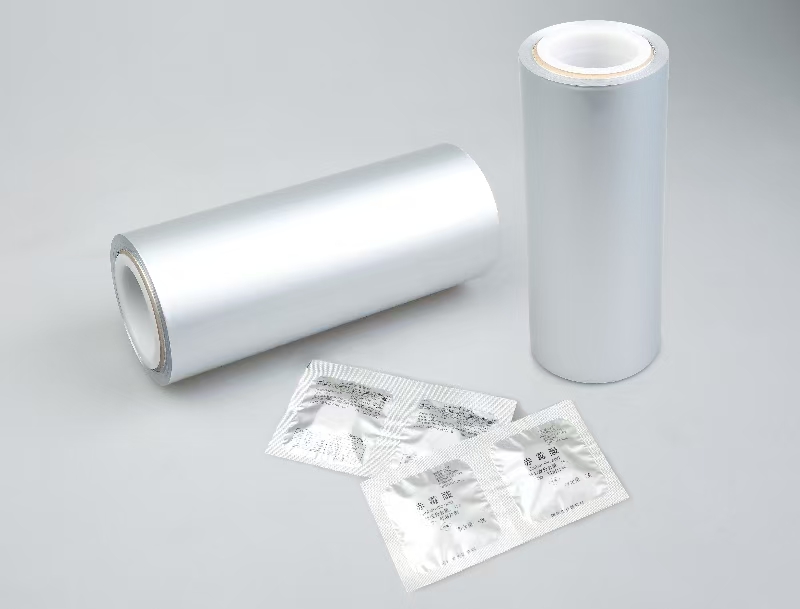
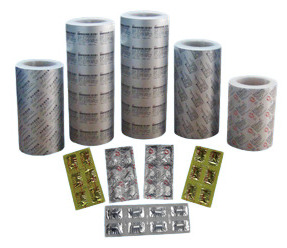
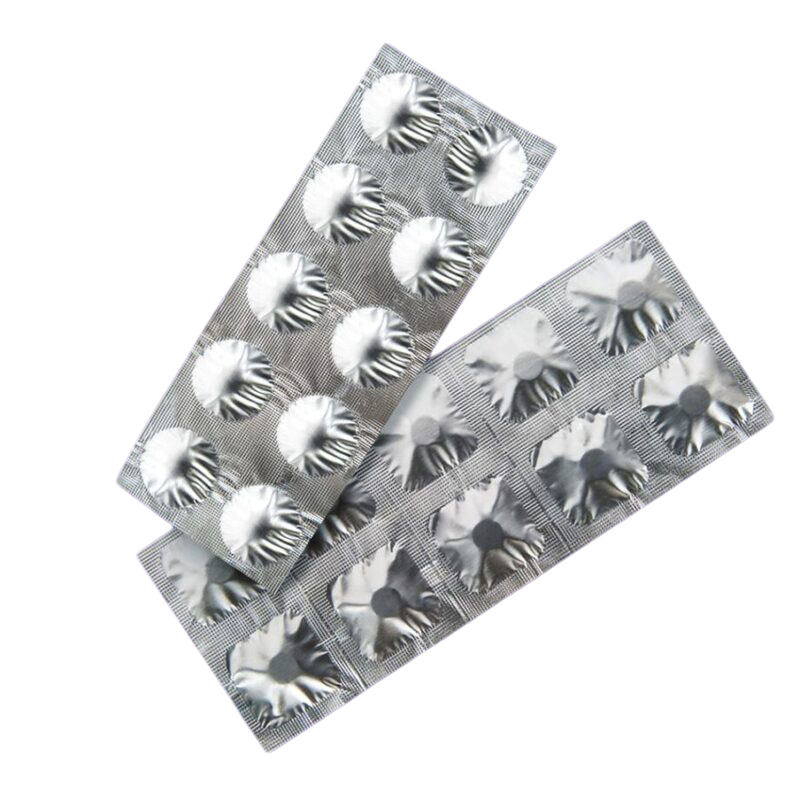
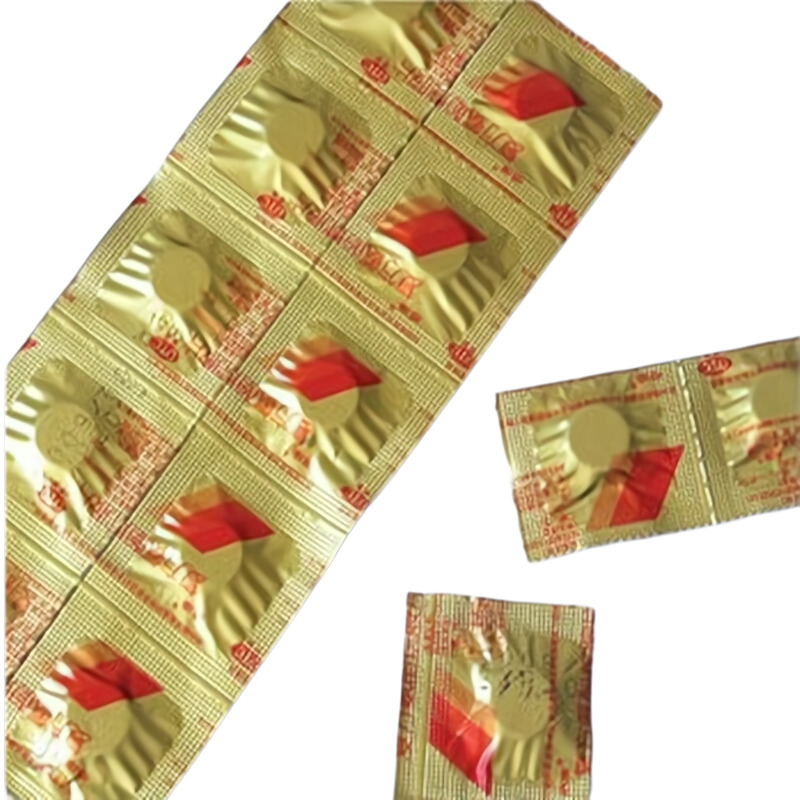
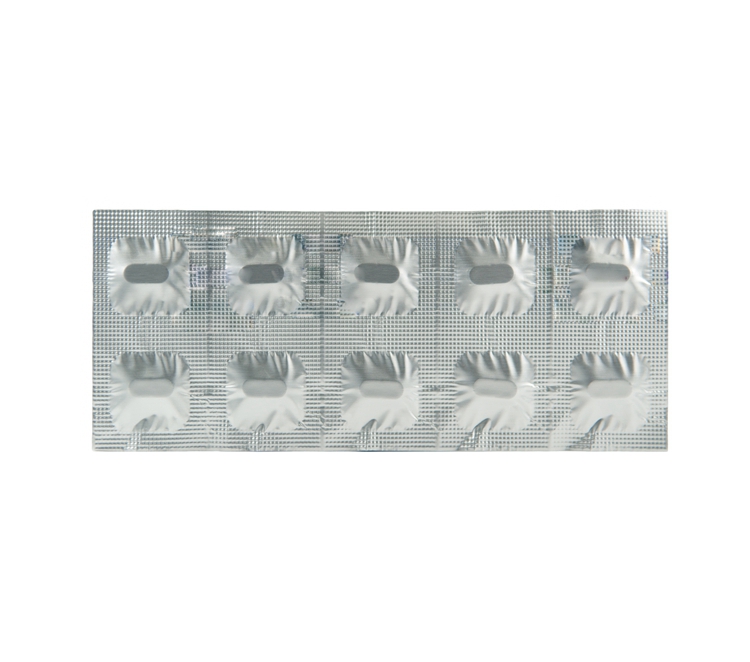
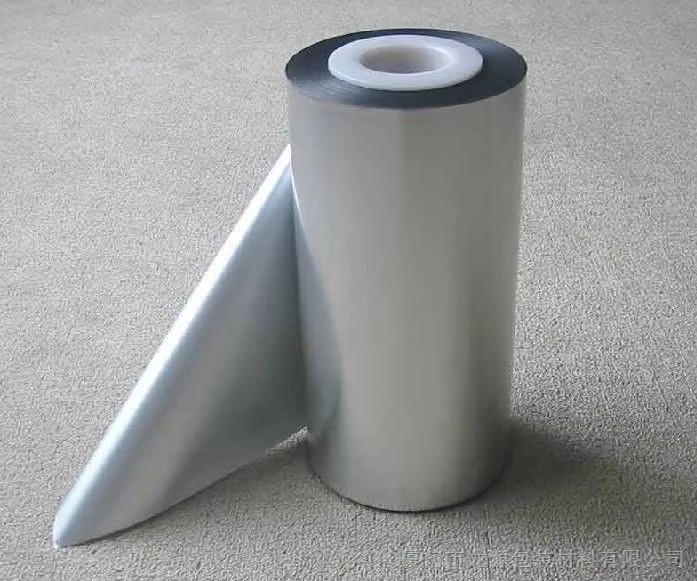
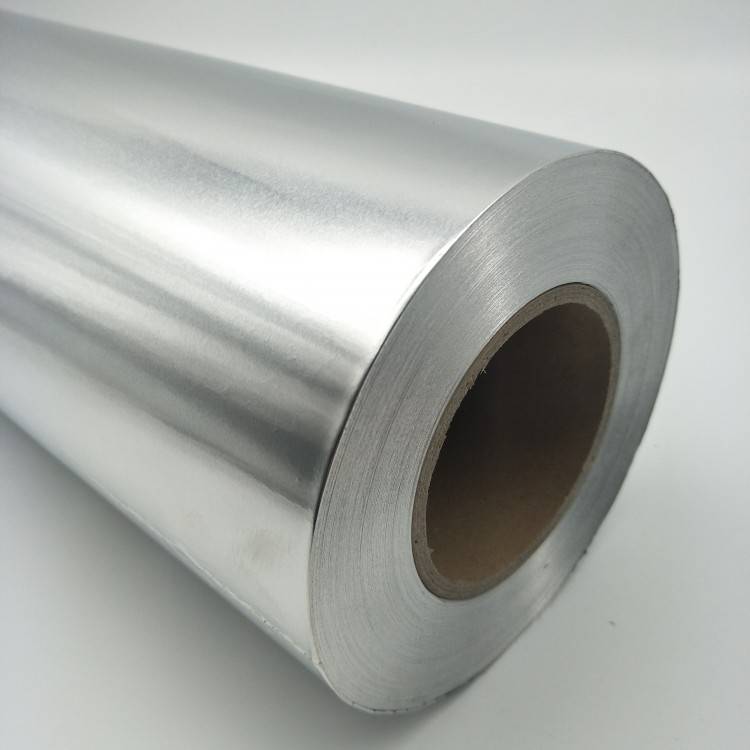
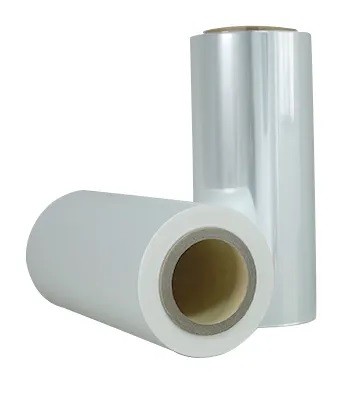
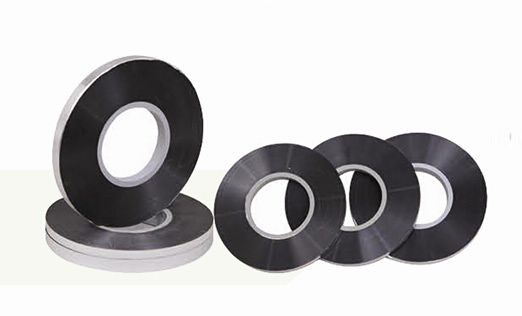
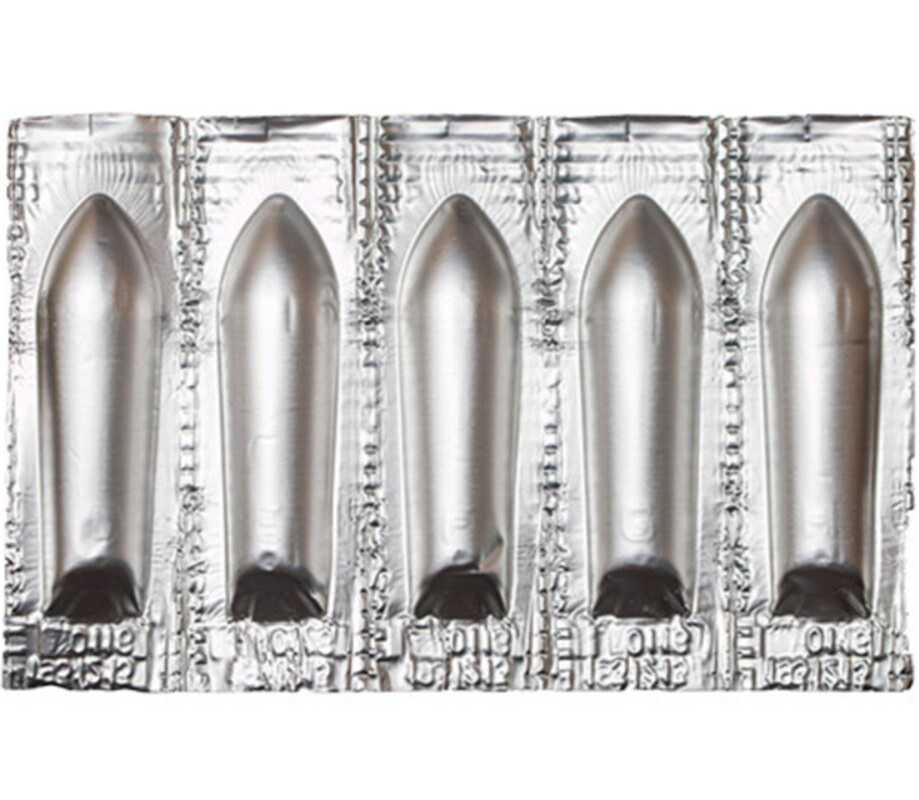
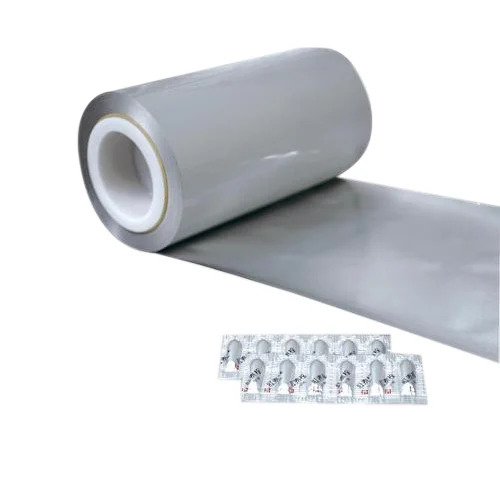
SUPPOSITORY ALUMINUM FOIL
Brief introduction:
- Smooth, easy to tear, good forming performance, particularly suitable for temperature-sensitive packaging suppository.
- Suppository, drug formulations are same or similar as suppositories.
Main application:
Suppository, drug formulations are same or similar as suppositories.
Structures:
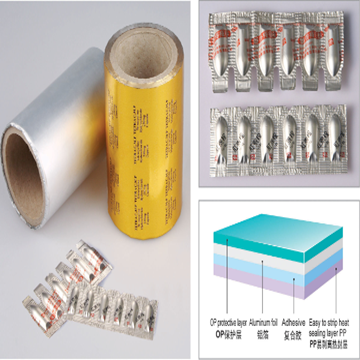
OP / AL 40μ / PP 30μ
OP / AL 40μ / PE 30μ
AI Product Description
*The following content is generated by AI and is for reference only.
OP/AL/PP suppository aluminum foil packaging is a specialized multi-layer lidding material designed specifically for the pharmaceutical industry to seal suppository tubes and containers. This composite structure typically consists of three primary layers: an outer layer of oriented polypropylene (OP) or polyester, a middle barrier layer of aluminum foil (AL), and an inner sealing layer of polypropylene (PP). The inclusion of the aluminum foil core provides an exceptional barrier against moisture, oxygen, light, and microbial contamination, which are critical factors in preserving the stability and efficacy of temperature-sensitive suppositories.
The primary function of this material is to ensure the integrity of the medication from the manufacturing line until the point of patient use. The OP layer offers high mechanical strength and printability for branding and labeling, while the PP layer ensures a hermetic heat seal that prevents leakage and maintains sterility. The aluminum layer acts as the ultimate shield, protecting the active ingredients from degradation caused by environmental exposure. This packaging solution is compatible with automated filling and sealing machinery, enhancing production efficiency and reducing operational costs for pharmaceutical manufacturers.
When handling OP/AL/PP foil, several precautions must be observed. First, storage conditions should maintain low humidity and moderate temperatures to prevent delamination or loss of adhesive properties before use. Second, during the sealing process, precise control over temperature, pressure, and dwell time is essential; excessive heat can damage the product inside, while insufficient heat may result in a weak seal prone to failure. Third, users must avoid sharp impacts or punctures to the foil, as even microscopic breaches can compromise the barrier properties and lead to product spoilage. Finally, proper disposal protocols should be followed after use, considering the recyclability challenges posed by multi-material composites. Overall, this packaging format represents a reliable standard for safeguarding suppository quality, ensuring patient safety, and meeting stringent regulatory requirements in global pharmaceutical markets.





 (All Rights Reserved)