Product Description
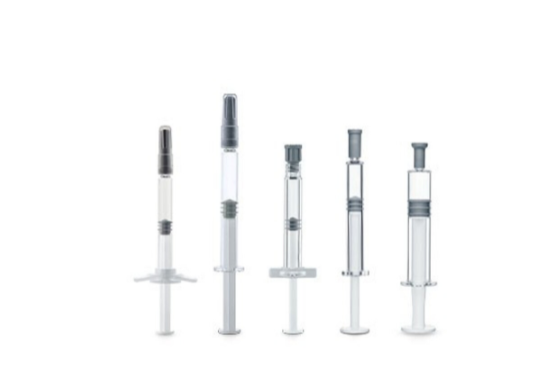
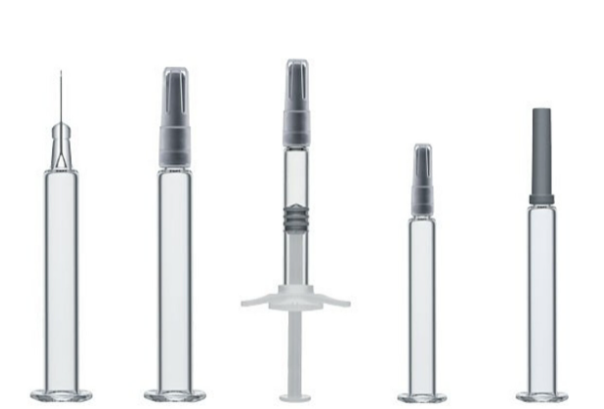
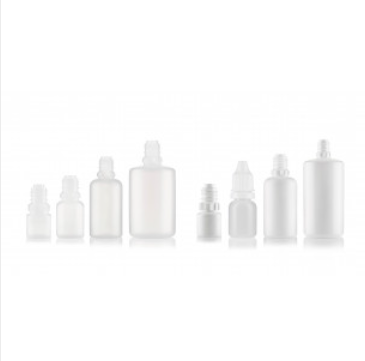
Delivery Devices for Subcutaneous Administration of Drugs
Therapies are diverse and must often meet a variety of patient needs. Whether a medical device is only used several minutes or 24h — we develop customized solutions for subcutaneous and intravenous administration of drugs. Our products are designed to serve the needs of small and of large molecules as well as that of small and large volumes.
AI Product Description
*The following content is generated by AI and is for reference only.
On-body devices represent a rapidly evolving category of wearable technology designed to be attached directly to the human skin or clothing. These compact, sensor-rich gadgets serve as vital interfaces between users and the digital world, primarily focusing on continuous health monitoring, activity tracking, and environmental awareness. Their core purpose is to collect real-time biometric data, such as heart rate variability, blood oxygen levels, skin temperature, glucose trends, and physical movement patterns. By transmitting this information wirelessly to smartphones or cloud platforms, these devices empower individuals to manage their wellness proactively, assist athletes in optimizing performance, and enable healthcare providers to offer remote patient monitoring solutions.
Beyond personal fitness, on-body devices play a crucial role in industrial safety and elderly care, alerting wearers to falls, fatigue, or hazardous exposure. However, despite their convenience, several important precautions must be observed. Users should strictly adhere to manufacturer guidelines regarding water resistance ratings; while many are splash-proof, submersion can damage internal components. Skin irritation is another common concern, particularly for those with sensitive skin, so regular cleaning of the device and allowing the skin to breathe between uses is essential to prevent rashes or allergic reactions. Additionally, battery life varies significantly among models, requiring users to establish consistent charging routines to ensure uninterrupted data collection. Data privacy is also paramount; since these devices transmit sensitive health metrics, users must verify that the accompanying applications utilize robust encryption and comply with relevant data protection regulations like HIPAA or GDPR. Finally, on-body devices should not replace professional medical diagnosis but rather serve as supplementary tools. Regular calibration against clinical equipment may be necessary for high-accuracy requirements. As technology advances, these unobtrusive companions will become even more integrated into daily life, offering deeper insights into human physiology while demanding responsible usage and security practices from all stakeholders.






 (All Rights Reserved)