Product Description
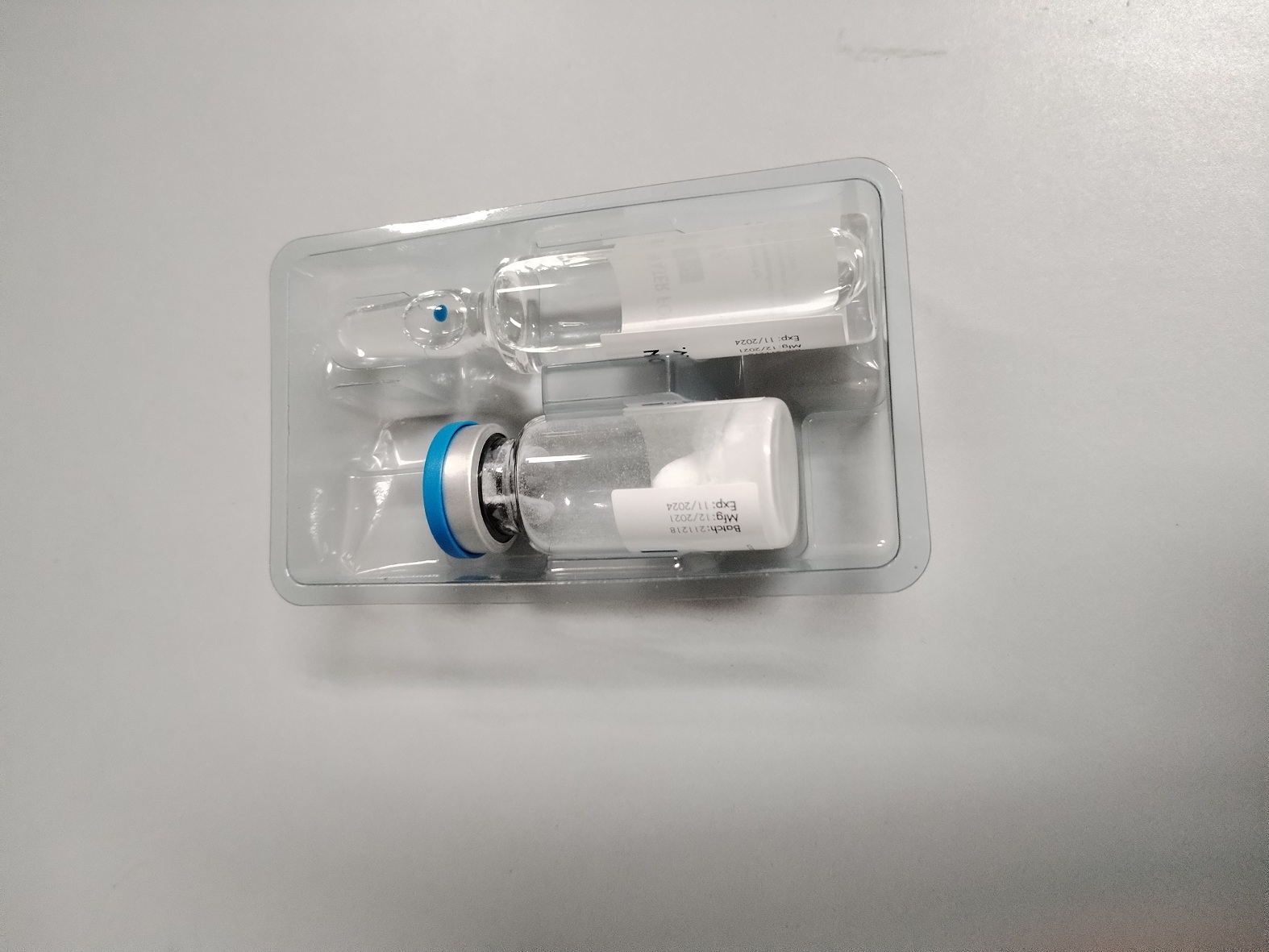
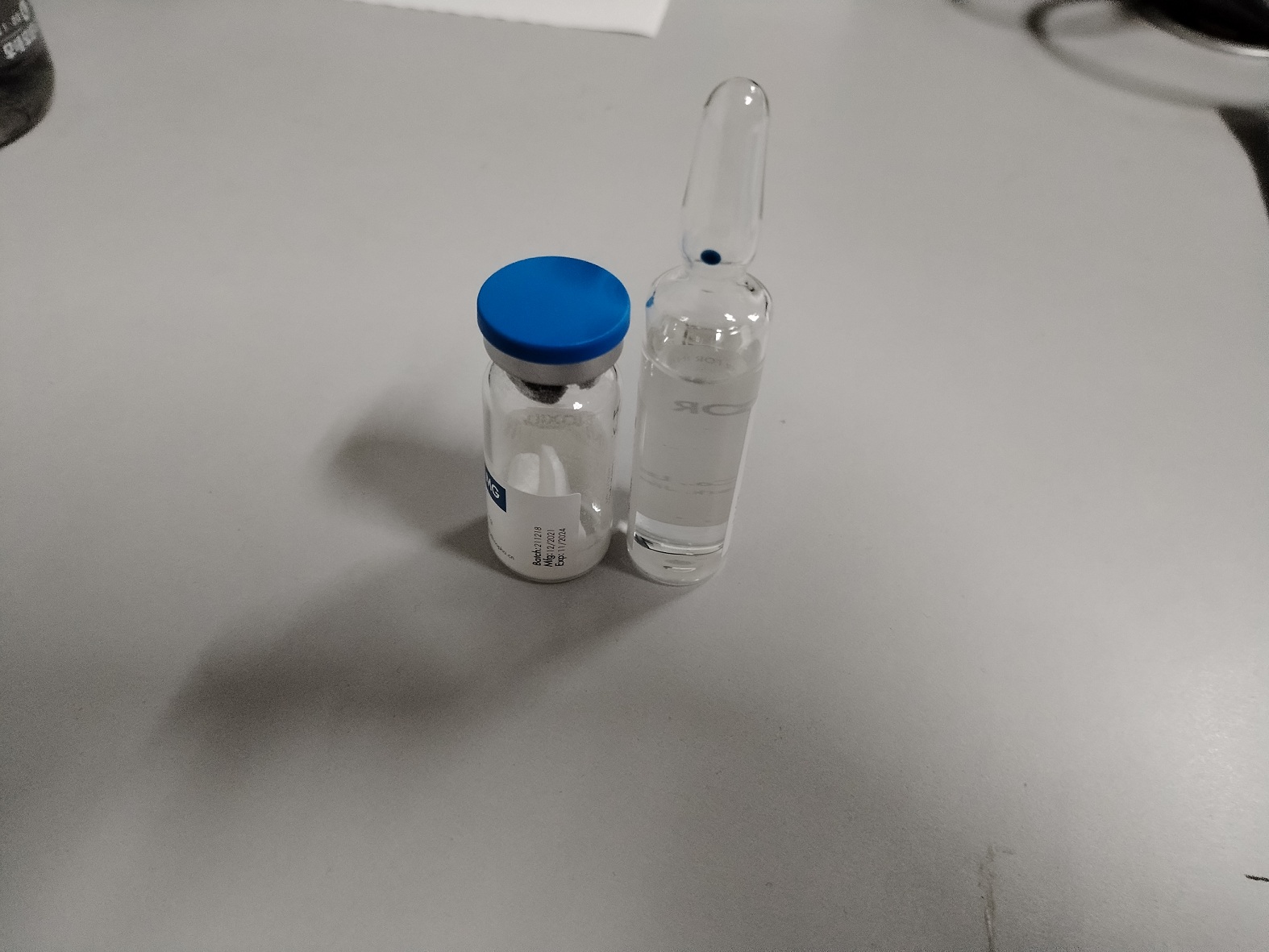
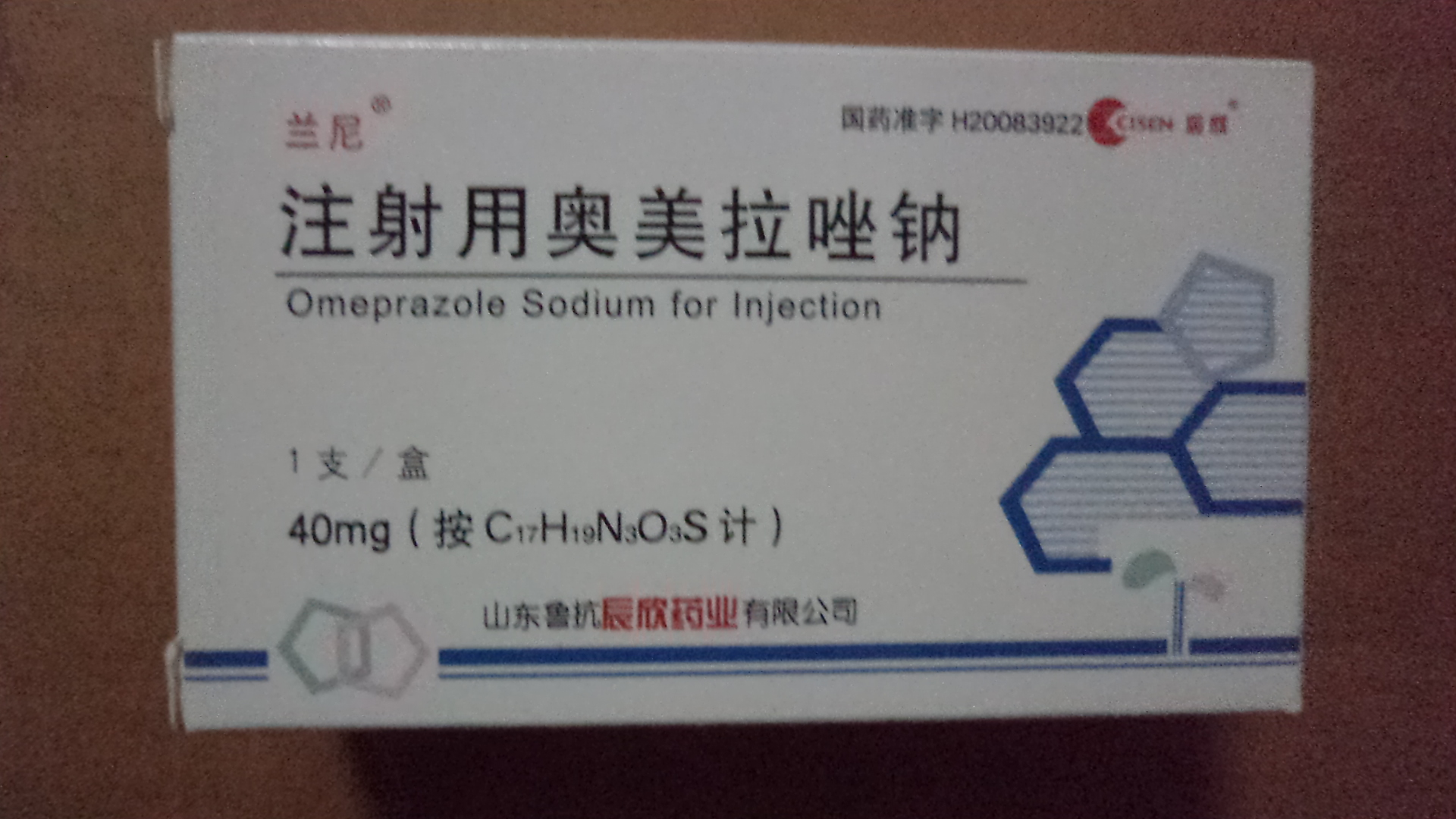
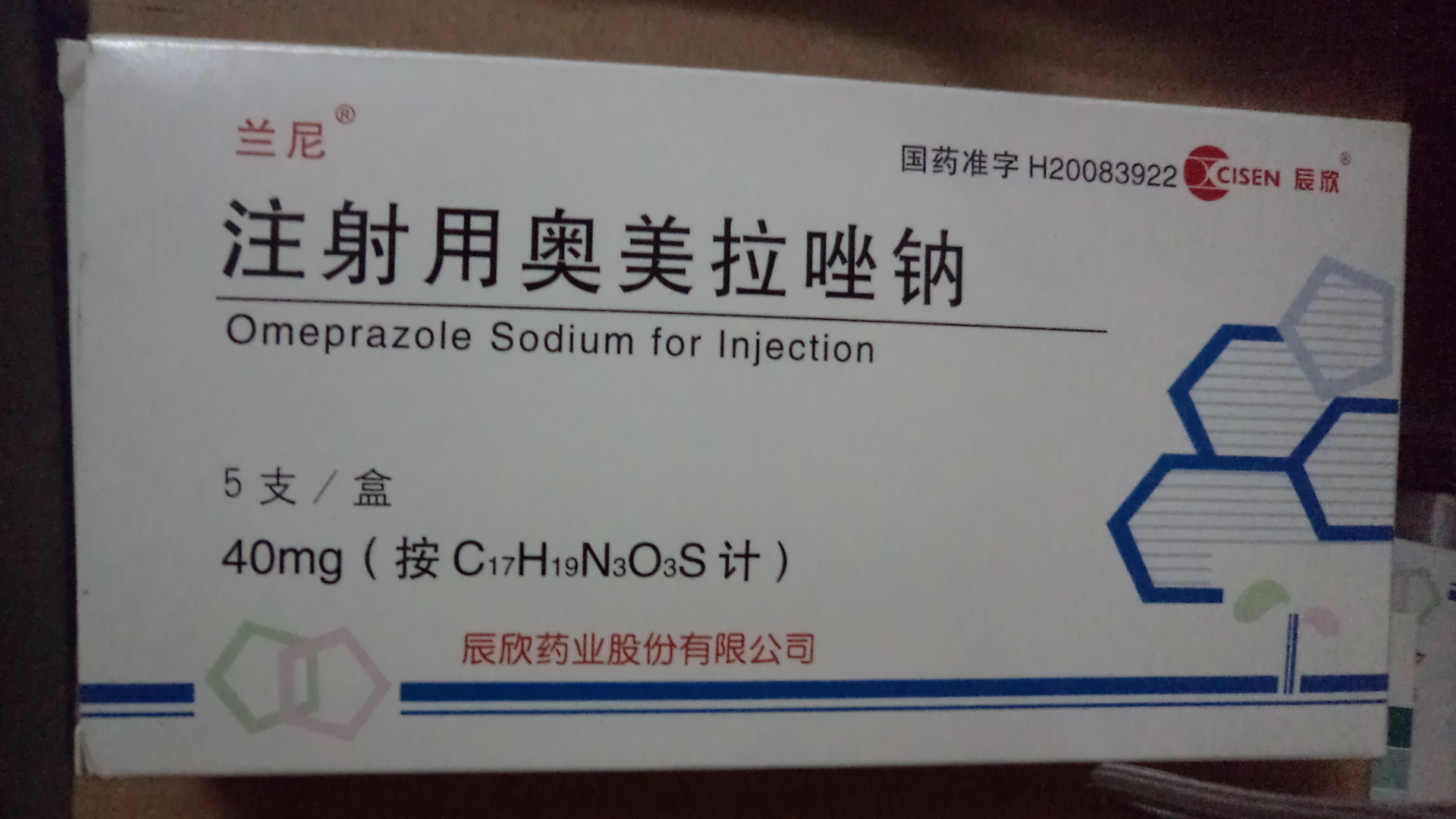
This product is used as an alternative treatment for the following conditions when oral therapy is not appropriate: duodenal ulcer, gastric ulcer, reflux esophagitis and Zollinger-Ellison syndrome.
Specification: 40mg(by C17H19N3O3S)
AI Product Description
*The following content is generated by AI and is for reference only.
Omeprazole Sodium for Injection is a sterile, lyophilized formulation of omeprazole sodium, a proton pump inhibitor (PPI) designed for intravenous administration. This medication serves as a critical therapeutic agent in the management of conditions characterized by excessive gastric acid secretion. Its primary clinical indications include the treatment of pathological hypersecretory states such as Zollinger-Ellison syndrome and the prevention or treatment of stress-related mucosal damage in critically ill patients. Furthermore, it is frequently employed to manage severe gastroesophageal reflux disease (GERD), erosive esophagitis, and active duodenal ulcers when oral therapy is not feasible due to patient condition, such as unconsciousness, post-operative status, or dysphagia.
The drug functions by irreversibly inhibiting the hydrogen-potassium ATPase enzyme system, commonly known as the "proton pump," located at the secretory surface of the gastric parietal cells. By blocking this final step of acid production, Omeprazole Sodium effectively reduces both basal and stimulated gastric acid secretion, creating an environment conducive to ulcer healing and preventing further mucosal injury. The intravenous route ensures rapid onset of action and reliable bioavailability, making it indispensable in acute care settings where immediate acid suppression is required.
However, several precautions must be observed during its use. Prior to administration, the vial contents must be reconstituted with 10 mL of Sterile Water for Injection and then diluted in compatible intravenous fluids like 0.9% Sodium Chloride or 5% Dextrose. It should not be mixed with other medications in the same infusion line to avoid chemical incompatibility. Clinicians must exercise caution when administering this product to patients with liver impairment, as metabolism may be delayed, potentially requiring dosage adjustments. Additionally, long-term use has been associated with risks such as hypomagnesemia, vitamin B12 deficiency, and increased susceptibility to certain infections. Hypersensitivity reactions, though rare, can occur; therefore, the product is contraindicated in patients with known hypersensitivity to omeprazole or any component of the formulation. Proper storage and handling are essential to maintain stability and efficacy before administration.





 (All Rights Reserved)