Aliase: Olopatadine hydrochloride
Purity: 98.5%min
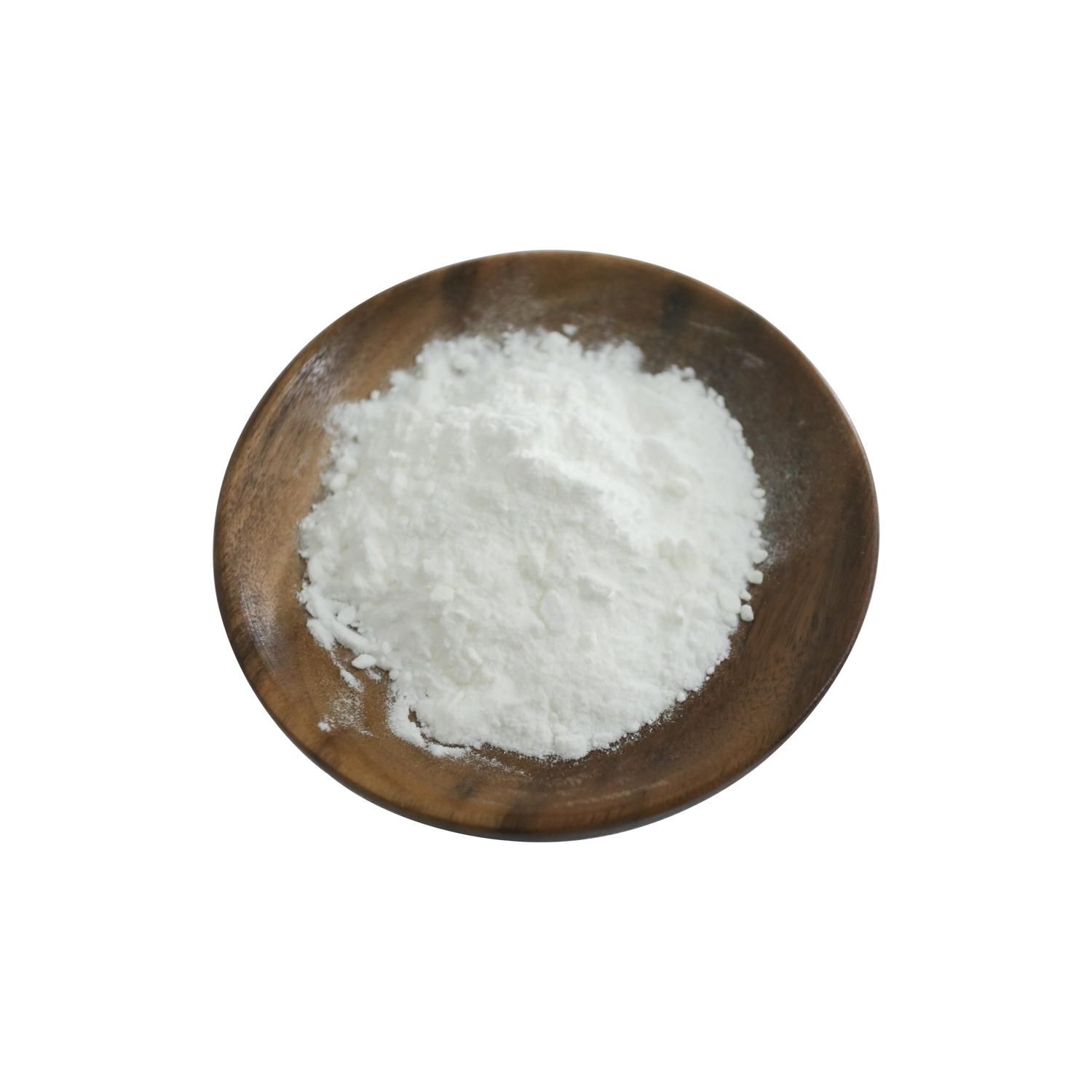
Appearance:White or off-white powder
Experience: More than 10 years
Usage: Dual acting histamine H1-receptor antagonist and mast cell stabilizer. Antiallergic; antihistaminic.
*The following content is generated by AI and is for reference only.
Olopatadine hydrochloride is a highly selective second-generation antihistamine and mast cell stabilizer widely utilized in ophthalmology for the treatment of allergic conjunctivitis. Chemically, it possesses the molecular formula C23H25ClN4O2·HCl and is identified by the CAS Registry Number 119607-81-5. This compound belongs to the class of diphenylmethylpiperazine derivatives, distinguished by its unique dual mechanism of action that effectively inhibits both histamine release from mast cells and the subsequent binding of histamine to H1 receptors.
The primary clinical application of Olopatadine hydrochloride is as an ophthalmic solution, typically formulated at concentrations of 0.1% or 0.2%, to alleviate symptoms associated with seasonal and perennial allergic eye diseases. Patients suffering from conditions such as hay fever often experience intense ocular itching, redness, tearing, and swelling; this medication provides rapid and sustained relief by blocking the inflammatory cascade triggered by allergens like pollen, dust mites, and animal dander. Its efficacy is notable for providing symptom control within minutes of administration, with effects lasting up to eight hours, allowing for convenient twice-daily dosing regimens.
Pharmacokinetically, Olopatadine exhibits low systemic absorption when applied topically to the eye, minimizing the risk of systemic side effects commonly associated with oral antihistamines, such as sedation or dry mouth. The drug acts locally on the conjunctival tissues, stabilizing mast cells to prevent the degranulation process and simultaneously antagonizing histamine receptors to block the physiological response to any released mediators. Extensive clinical trials have confirmed its safety profile for long-term use in both adults and children over the age of three years. Beyond its therapeutic role, Olopatadine hydrochloride serves as a benchmark compound in pharmaceutical research for developing novel anti-allergic agents with improved potency and duration of action. Its availability in various commercial formulations has made it a first-line therapy globally, significantly improving the quality of life for millions of individuals affected by ocular allergies.





 (All Rights Reserved)




![6,8-Dioxo-5,7-diazaspiro[3.4]octane-2-carboxylic acid](https://eimg.pharmasources.com/image/product/20250403/02effeb5a7639bc84ff1f3add3c0c64fjpg)
![8,16-Diazadispiro[6.1.6.2]heptadecan-17-one](https://eimg.pharmasources.com/image/product/20250403/ca91cba8b87e53fc879f8d8764873a40jpg)
![8-Oxa-1,3-diazaspiro[4.5]decane-2,4-dione](https://eimg.pharmasources.com/image/product/20250403/60fa7223d5a34f24138486ceea0ffb15jpg)
