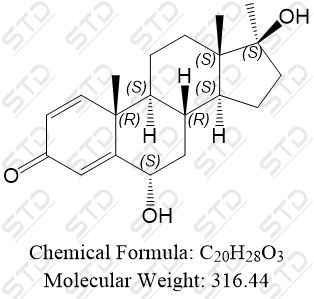
Product Description
Reference Standards &Impurity
AI Product Description
*The following content is generated by AI and is for reference only.
Olmesartan medoxomil is a potent antihypertensive medication belonging to the class of angiotensin II receptor blockers (ARBs). Its molecular formula is C29H30N6O6, and it carries the CAS registry number 144689-45-8. This compound serves as a prodrug; upon oral administration, it undergoes rapid hydrolysis in the gastrointestinal tract and liver to release olmesartan, its active metabolite. The primary therapeutic purpose of olmesartan medoxomil is the management of essential hypertension in adults. By selectively blocking the binding of angiotensin II to the AT1 receptors on vascular smooth muscle cells, it inhibits vasoconstriction and reduces aldosterone secretion. Consequently, blood pressure decreases, alleviating strain on the heart and reducing the risk of cardiovascular events such as stroke, myocardial infarction, and kidney failure. Unlike some other antihypertensives, ARBs like olmesartan do not typically cause a dry cough, a common side effect associated with ACE inhibitors, making them a preferred alternative for patients who cannot tolerate ACE inhibitors.
The drug is available in various tablet strengths, commonly ranging from 5 mg to 40 mg, allowing for flexible dosing based on individual patient response and clinical guidelines. It is generally administered once daily due to its long duration of action, providing consistent 24-hour blood pressure control. While highly effective, clinicians must monitor patients for potential adverse effects, including hypotension, hyperkalemia, and rare but serious cases of sprue-like enteropathy, which can present with chronic diarrhea and significant weight loss. Despite these risks, olmesartan medoxomil remains a cornerstone therapy in modern cardiology and nephrology. Its efficacy extends beyond blood pressure reduction, offering renal protective benefits by lowering intraglomerular pressure, particularly in patients with diabetic nephropathy. Overall, this pharmaceutical agent represents a critical advancement in the treatment of hypertension, balancing robust efficacy with a favorable safety profile for long-term management of cardiovascular health.






 (All Rights Reserved)