Product Description
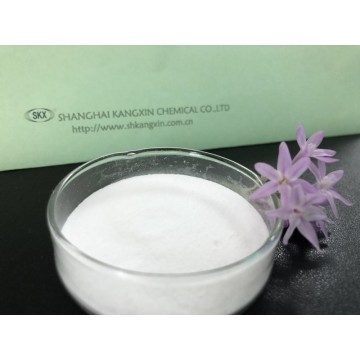
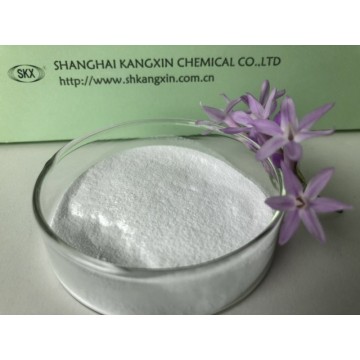
as a medical disinfectant, it is the latest high efficient and safe antibacterial disinfectant for external use. which can be used for disinfection and sterilization of endoscopic surgical instruments in hospital.
AI Product Description
*The following content is generated by AI and is for reference only.
O-Phthalaldehyde (OPA), chemically known as 2-formylbenzoic acid, is a versatile organic compound widely utilized in analytical chemistry and industrial applications. With the molecular formula C8H6O2 and a CAS number of 1035-79-4, this white to pale yellow crystalline solid serves as a critical reagent for various detection and synthesis processes. Its unique structure, featuring an aldehyde group adjacent to a carboxylic acid moiety on a benzene ring, grants it exceptional reactivity, particularly with primary amines and thiols.
In the field of clinical and forensic analysis, OPA is most renowned for its role in derivatizing amino acids for high-performance liquid chromatography (HPLC). When reacted with primary amines in the presence of a thiol co-reagent like 2-mercaptoethanol or cysteine, OPA forms highly fluorescent isoindole derivatives. This reaction allows for the sensitive detection and quantification of free amino acids in biological fluids such as blood, urine, and cerebrospinal fluid, which is essential for diagnosing metabolic disorders. Furthermore, due to its rapid reaction kinetics and strong fluorescence, it is extensively used in food science to analyze protein hydrolysis and monitor fermentation processes.
Beyond laboratory research, O-phthalaldehyde finds significant application in the manufacturing of polymers and dyes. It acts as a monomer in the synthesis of polyamides and other high-performance resins, contributing to materials with enhanced thermal stability and mechanical strength. In the textile industry, it is employed as a cross-linking agent to improve the durability and wrinkle resistance of cotton fabrics. Additionally, its antimicrobial properties have led to investigations into its use as a disinfectant surface cleaner, although its toxicity requires careful handling protocols. Safety data sheets indicate that OPA can cause severe skin irritation and sensitization, necessitating appropriate personal protective equipment during handling. Despite these hazards, its efficiency and specificity make O-phthalaldehyde an indispensable tool in modern chemical analysis and material science, bridging the gap between fundamental research and practical industrial innovation.
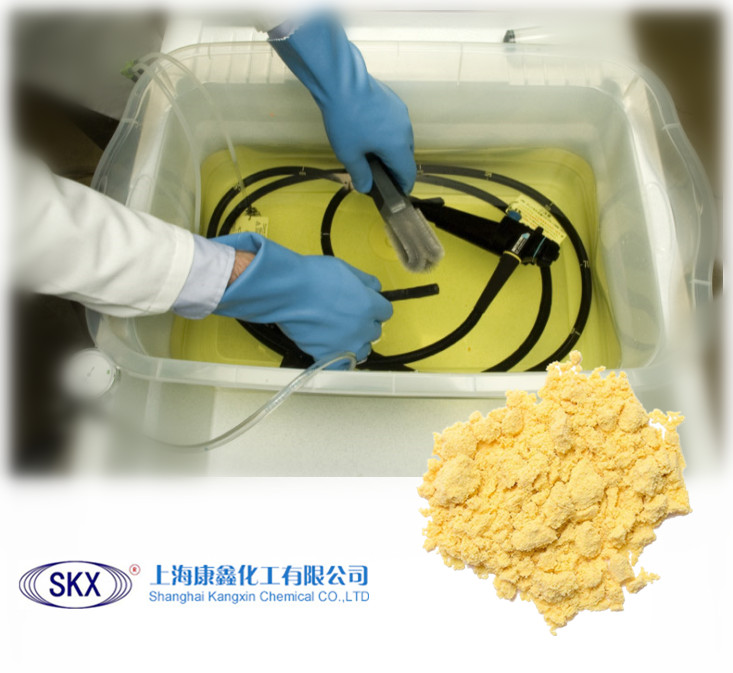



 (All Rights Reserved)
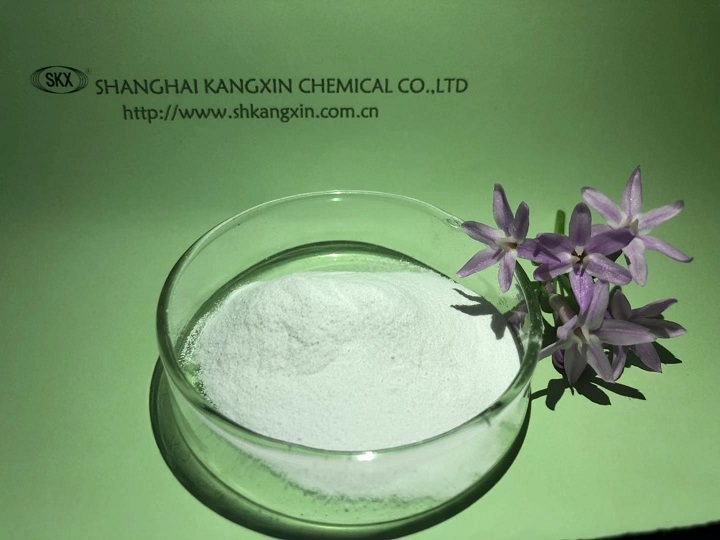

![8,16-Diazadispiro[6.1.6.2]heptadecan-17-one](https://eimg.pharmasources.com/image/product/20250403/ca91cba8b87e53fc879f8d8764873a40jpg)
![6,8-Dioxo-5,7-diazaspiro[3.4]octane-2-carboxylic acid](https://eimg.pharmasources.com/image/product/20250403/02effeb5a7639bc84ff1f3add3c0c64fjpg)
![8-Oxa-1,3-diazaspiro[4.5]decane-2,4-dione](https://eimg.pharmasources.com/image/product/20250403/60fa7223d5a34f24138486ceea0ffb15jpg)
