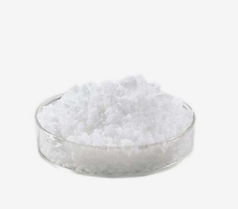
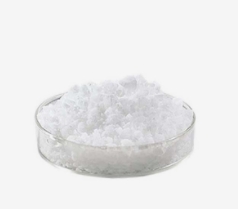
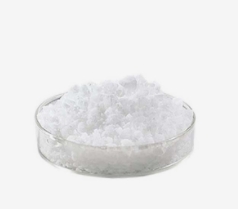
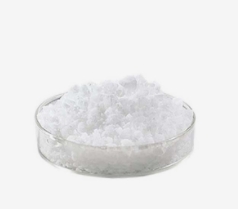
Product Description
Nucleotides are important biomolecules in living organisms and are the basic building blocks of DNA and RNA. They play a crucial role in cellular metabolism, energy transfer, and the transmission of genetic information. Nucleotides are also widely used in infant formula, functional foods, and the pharmaceutical field.
AI Product Description
*The following content is generated by AI and is for reference only.
Nucleotides are the fundamental building blocks of nucleic acids, serving as essential monomers for DNA and RNA synthesis. In industrial and laboratory contexts, "Nucleotides" often refer to purified chemical compounds used in molecular biology research, biotechnology manufacturing, and pharmaceutical development. These molecules, consisting of a nitrogenous base, a pentose sugar, and one or more phosphate groups, play critical roles in cellular energy transfer (e.g., ATP), signal transduction, and metabolic regulation.
In research settings, high-purity nucleotide reagents are indispensable for polymerase chain reaction (PCR), DNA sequencing, and gene cloning applications. They enable scientists to synthesize oligonucleotides, study genetic mutations, and develop diagnostic tools. The pharmaceutical industry utilizes modified nucleotides in antiviral therapies and cancer treatments, where they interfere with viral replication or inhibit tumor cell growth. Additionally, nucleotides are employed in food science as flavor enhancers and nutritional supplements, supporting immune function and gut health.
When handling nucleotide products, strict safety protocols must be observed. Although many nucleotides are non-toxic in their natural forms, synthetic derivatives may pose risks if mishandled. Users should wear appropriate personal protective equipment, including gloves and lab coats, to prevent skin contact or inhalation of powders. Storage conditions vary by specific compound; most require refrigeration at -20°C or lower to maintain stability and prevent degradation. Avoid repeated freeze-thaw cycles, which can compromise sample integrity. Ensure containers are tightly sealed to protect against moisture and contamination.
Furthermore, waste disposal must comply with local environmental regulations. While some nucleotides are biodegradable, others may require specialized treatment depending on their chemical modifications. Always consult the Material Safety Data Sheet (MSDS) provided by the manufacturer for detailed hazard information and emergency procedures. Proper labeling and segregation of waste streams are crucial to maintaining a safe laboratory environment. By adhering to these guidelines, researchers and professionals can effectively utilize nucleotides for advancing scientific knowledge and developing life-saving technologies while minimizing potential risks.






 (All Rights Reserved)
![6-broMo-2-chloro-8-cyclopentyl-5-Methylpyrido[2,3-d]pyriMidin-7(8H)-one](https://eimg.pharmasources.com/image/20250617/4zoOybJjzUTk0UgguabMkX7VnrDIlxHluERwqkjK.jpg)