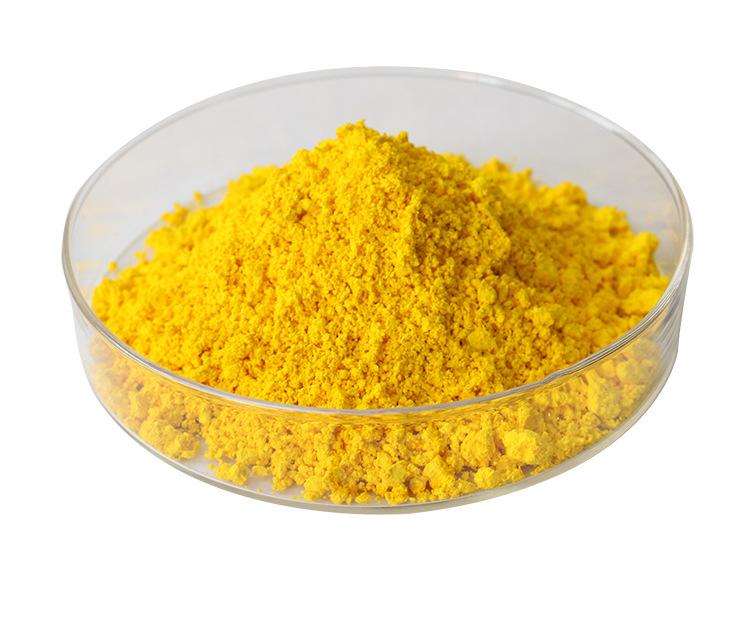
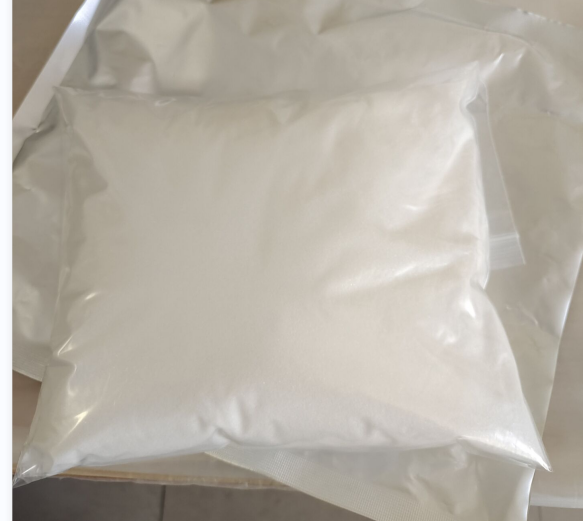
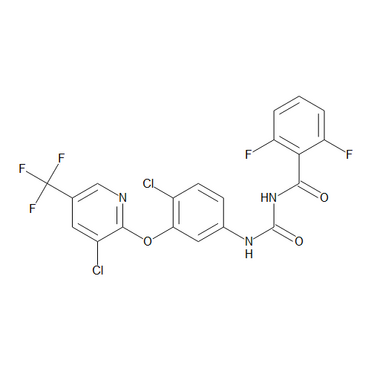
Nosiheptide is a kind of special sulfur-polypeptide antibiotic for animal, environmentally feed additives.Significantly promote the growth of livestock and poultry, improve the feed efficiency.No resistance, no cross resistance with other antibiotics.Not to be absorbed in animal intestinal tract,no drug residue. It’s safe to human and livestock, environmental protection to the environment.
*The following content is generated by AI and is for reference only.
Nosiheptide is a cyclic thiopeptide antibiotic produced by the bacterium *Streptomyces nosocomialis*. It exhibits potent activity against Gram-positive bacteria, including methicillin-resistant *Staphylococcus aureus* (MRSA) and vancomycin-resistant enterococci. The compound functions by binding to the 50S ribosomal subunit, thereby inhibiting bacterial protein synthesis at an early stage of translation. This unique mechanism distinguishes it from many other antibiotic classes and contributes to its efficacy against resistant strains.
The molecular formula of Nosiheptide is C43H62N10O13S8, with a molecular weight of approximately 1018.2 g/mol. Its CAS number is 37349-43-0. Structurally, it features a complex macrocyclic core containing multiple thiazole and oxazole rings, along with a distinctive cross-linked peptide backbone stabilized by disulfide bridges. These structural characteristics are crucial for its stability and biological activity.
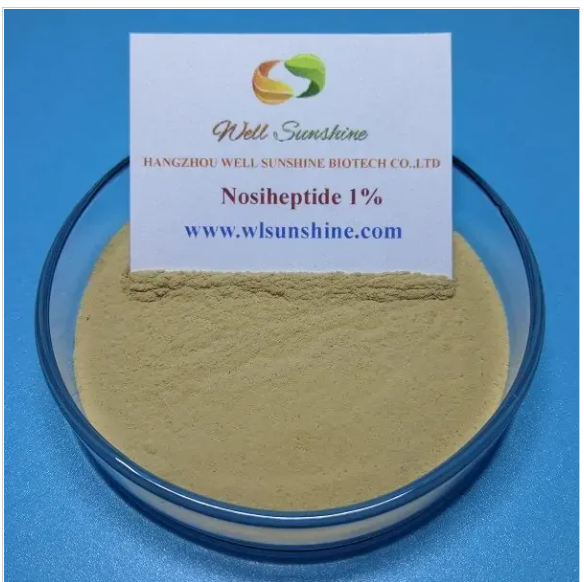
Commercially available formulations often include concentrations ranging from 0.25% to 4%, tailored for specific pharmaceutical or research applications. Lower concentrations like 0.25% and 0.5% are frequently utilized in topical preparations for treating skin infections, such as impetigo or infected wounds, where localized delivery minimizes systemic absorption. Medium concentrations around 1.0% may serve as intermediate dosages for moderate dermatological conditions. Higher strengths, specifically 2% and 4%, are typically reserved for more severe infections or specialized veterinary uses, ensuring sufficient antimicrobial pressure to eradicate pathogenic loads effectively.
Beyond clinical therapy, Nosiheptide serves as a valuable tool in microbiological research for studying ribosome function and antibiotic resistance mechanisms. Its narrow spectrum of activity makes it particularly useful when targeting specific Gram-positive pathogens without disrupting the normal flora of Gram-negative organisms. While not yet widely adopted as a first-line systemic drug due to administration constraints, its potential in combination therapies and topical treatments remains significant. Ongoing research continues to explore its derivatives to enhance bioavailability and broaden its therapeutic window. As antibiotic resistance escalates globally, compounds like Nosiheptide offer promising alternatives for managing difficult-to-treat infections, reinforcing their importance in modern pharmacology and infectious disease management strategies.



 (All Rights Reserved)